


Marine
Export frozen shrimp
India’s top seafood export. Needs MPEDA registration and an EIC-approved plant; residue testing and US trade measures shape the business.
- HS code
- 0306.17 Other shrimps and prawns, frozen (mostly farmed vannamei and black tiger). Cooked or prepared shrimp in airtight packs falls under 1605.
- Export policy
- Free to export Free under ITC(HS), but by law (MPEDA Act, 1972) every seafood exporter must be registered with MPEDA, and the product must be processed in an EIC-approved plant with an EIC export certificate for the markets that require it.
- Registrations
- 4 IEC, GST and those below
- India’s exports, 2025-26
- US$ 5.61 bn to 104 countries
What is exported
Frozen shrimp is the largest item in India’s seafood basket: 7.93 lakh tonnes in 2025-26 (MPEDA). Andhra Pradesh is the main farming state. Across all marine products in 2025-26, the largest markets were the USA, China, the EU, South-East Asia and Japan; shipments to the USA fell from 3.47 lakh tonnes in 2024-25 to 2.79 lakh tonnes, while China and the EU grew.
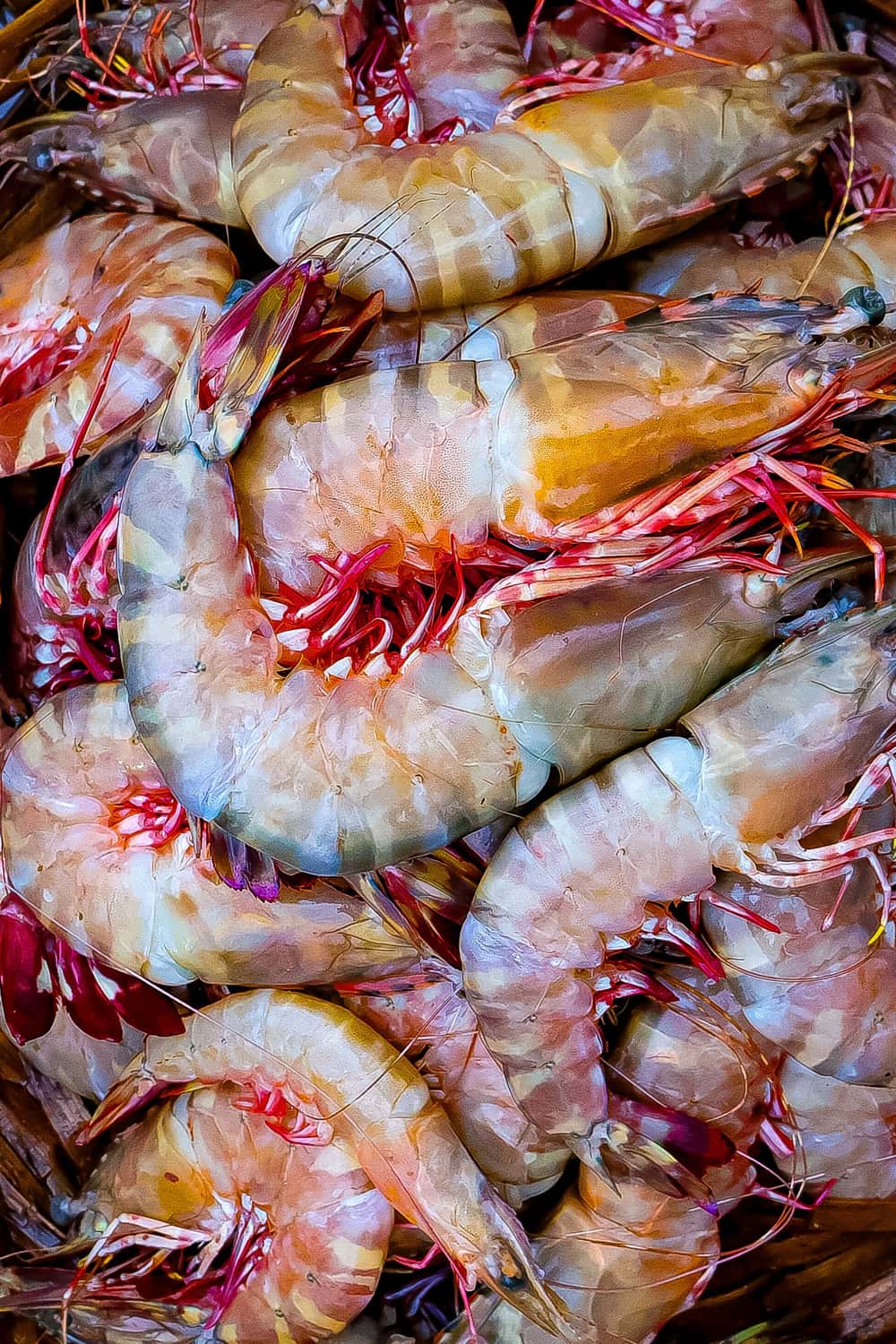

Varieties, grades and forms
- Vannamei (Litopenaeus vannamei)Farmed whiteleg shrimp; about 13 lakh tonnes produced in 2025-26 — most of the export volume.
- Black tiger (Penaeus monodon)Larger, premium farmed shrimp; production rising again.
- Sea-caught (Indian white, flower, brown, pink)Wild shrimp sold head-on, headless or peeled.
- Forms: HOSO, HLSO, PD, PUD, PDTO, cookedHead-on, headless, peeled and deveined, tail-on; graded by count per pound (16/20, 21/25, 26/30…).
Where it is grown or made
- Andhra PradeshThe main farming and processing state: East and West Godavari, Krishna, Nellore; Visakhapatnam and Kakinada ports.
- GujaratSouth Gujarat coastal farms; vannamei all year.
- West Bengal and OdishaBrackish-water farms; tiger shrimp crops through the monsoon.
- Tamil Nadu and KeralaFarms and sea-catch processors; Kochi is a major seafood export hub.
The quality buyers ask for
- Form
- HOSO (head-on shell-on), HLSO (headless shell-on), PUD, PD, PDTO (tail-on), PND, cooked, ring and value-added packs
- Count
- Pieces per pound or per kilogram, e.g. 16/20, 21/25, 26/30, 31/40, 41/50 per lb
- Freezing and glaze
- IQF or block frozen; glaze declared, and net weight stated without glaze
- Temperature
- Core held at –18 °C or colder through storage and transport
- Residues
- No banned antibiotics (such as chloramphenicol and nitrofurans); sulphite within limits — monitored by MPEDA and EIC
- Standard
- Codex standard for quick frozen shrimps or prawns (CXS 92-1981)
Certificates
- MPEDA registrationRequiredEvery seafood exporter must be registered with MPEDA (MPEDA Act, 1972).
- EIC-approved plant and health certificateRequiredProcessing in an EIC-approved plant (HACCP-based), with EIC health certificates for the EU and other markets that require them.
- US FDA facility registrationOften askedFor the USA, the processing plant must be FDA-registered and follow the seafood HACCP rule.
- BAP (Best Aquaculture Practices)Often askedFarm-to-plant certification asked for by most large US retailers.
- ASCOften askedAquaculture Stewardship Council certification, asked for by many EU retailers.
- BRCGS Food SafetyOften askedGFSI-recognised standard asked for by UK and many EU supermarkets for private-label packing.
Shipping, storage and shelf life
40-ft reefers at –18 °C or colder, typically about 22–26 tonnes of master cartons depending on pack.
Sea freight from Visakhapatnam, Kolkata, Chennai, Kochi, Pipavav and Nhava Sheva.
Cold store at –18 °C or colder; avoid temperature swings, which cause freezer burn and glaze loss.
Typically 18–24 months frozen.
What goes on the pack and carton
- Species (common and scientific name), farmed or wild, production method, catch or farming country, net weight without glaze, and the EIC plant approval number on EU packs.
- EU retail packs (Regulation 1169/2011): name of the food, ingredients with allergens highlighted, net quantity, best-before date, storage conditions, the EU importer’s name and address, and origin where required — in the language of the country of sale.
- USA (21 CFR 101): product name, net quantity in both US and metric units, ingredients, allergens, name and place of business of the packer or distributor, Nutrition Facts unless exempt; and “Product of India” marking (19 CFR 134).
- Lot or batch number on every pack and bag — FSSAI’s Labelling and Display Regulations, 2020 require it, and every importing country uses it to trace and recall.
EIC/EIA laboratories and EIC-approved labs test seafood for export certification (eicindia.gov.in); MPEDA runs quality-control labs for pre-harvest and antibiotic testing (mpeda.gov.in). NABL-accredited private labs are also used.
Benefits of exporting this product
- RoDTEP refund on this line
Frozen vannamei (0306 17 20), Indian white (0306 17 30), black tiger (0306 17 40) and flower shrimp (0306 17 50): 3% of FOB, capped at ₹42 per kg. Freeze-dried shrimp (0306 17 11): 2.2%, capped at ₹69 per kg. Rate as listed in Appendix 4R (w.e.f. 10 Oct 2024); DGFT Notification 41/2026-27 keeps the rates in force on 30 Sep 2026 unchanged until 31 Dec 2026. Check your exact 8-digit line on dgft.gov.in before you price.
DGFT — Appendix 4R, RoDTEP schedule for DTA exports w.e.f. 10 Oct 2024 (Notification No. 32, 30 Sep 2024) ↗ - UK CETA access
The India–UK CETA gives duty-free access for about 99% of India’s exports to the UK and names marine products among the main gainers. The agreement has applied since 15 July 2026; check the exact shrimp line in the UK tariff schedule before quoting.
PIB — India and UK sign the Comprehensive Economic and Trade Agreement (24 Jul 2025) ↗ - MPEDA value-addition support
MPEDA’s TDSVMP component supports technology for value-added marine products; applications are made online through e-MPEDA when a call is announced (the 2025-26 call ran 18 June–17 July 2025).
MPEDA — TDSVMP (value-added marine products) scheme announcement, FY 2025-26 ↗
Where to register
- MPEDAExporter registration (manufacturer or merchant exporter) and RCMC under the MPEDA Act. A merchant exporter needs a written agreement to use an approved plant’s surplus capacity.e-mpeda.nic.in ↗
- Export Inspection Council (EIC)Approval of the processing plant and a Certificate for Export (health certificate) for each consignment to markets that require it, including the EU and China.eicindia.gov.in ↗
Quality and checks
- Antibiotic residues (for example chloramphenicol and nitrofurans) in farmed shrimp — the EU and others test at the border; MPEDA runs pre-harvest testing and ELISA labs.
- HACCP-based plant controls and EIC certification; a catch certificate for wild-caught product to the EU.
- USA: DS-2031 form for shrimp, and US anti-dumping and countervailing duty orders on frozen warm-water shrimp from India. US tariffs on Indian goods changed several times in 2025–26 (US-India joint statement of February 2026; a further US action in July 2026) — confirm the current rate with your buyer before quoting.
Register with MPEDA as a merchant exporter and tie up with an EIC-approved plant in Andhra Pradesh, Gujarat or Kerala that will process and pack under your label. Start with a container to a Japan, Middle East or South-East Asia buyer on LC, and use ECGC cover.
Where new exporters go wrong
- Buying shrimp from farms without pre-harvest antibiotic testing — one positive result can put your plant on an EU alert list.
- Quoting the USA without checking the anti-dumping, countervailing and tariff stack; the duty can wipe out the margin.
- Glazing and net-weight disputes; declare glaze and net weight correctly on the carton.
Documents this product needs
Schemes that apply
- RoDTEP Remission of Duties and Taxes on Exported Products
- Drawback Duty Drawback (All Industry Rates)
- LUT Letter of Undertaking for zero-rated exports under GST
- ECGC ECGC export credit insurance for small exporters
- Districts as Export Hubs Districts as Export Hubs
- CGSE Credit Guarantee Scheme for Exporters
Sources (5)
- MPEDA — Marine products exports (item-, market- and port-wise data to 2025-26)
- MPEDA — Become an exporter (registration)
- EIC — Export of fresh, frozen and processed fish and fishery products
- Department of Commerce — United States–India Joint Statement (7 Feb 2026)
- US International Trade Administration — anti-dumping and countervailing duties
Trade data
Indian frozen shrimp exports in numbers
From the Department of Commerce’s TradeStat, country by country. US$, Indian financial years (April–March).
- Exports in 2025-26
- US$ 5.61 bn +5% a year on average, 2020-21 to 2025-26
- Change from 2024-25
- ↑ +9.1% US$ 5.14 bn → US$ 5.61 bn
- Buyer countries
- 104
- Average export price
- US$ 7.04 per kg · 7,96,478 tonnes shipped · US$ 6.91 the year before
The price cycle
India’s average export price per kg each year (total value ÷ total quantity). Highest in 2021-22, lowest in 2024-25 — a 15% swing between them. Keep this swing in mind when you quote.
What next: a projection from the trend
The past trend carried forward — not a forecast by any authority. Sudden changes in policy, prices or demand are not in it.
Likely range US$ 4.82 bn to US$ 6.72 bn.
- Trend
- +2.1% a year
- Fit (R²)
- 0.14 — weak, read with care
- Based on
- 6 years of official figures
Method: a straight line through the logarithm of yearly exports (log-linear regression); range = ±1 standard error.
Biggest buyer countries
By value in 2025-26. Change is against 2024-25.
Where demand is rising and falling
Only countries that buy at least US$ 1 million or 1% of India’s exports of this product. Change from 2024-25 to 2025-26.
↑ High demand
- BelgiumUS$ 213 mn → US$ 362 mn↑+69.8%
- GermanyUS$ 58 mn → US$ 91.2 mn↑+57%
- VietnamUS$ 280 mn → US$ 421 mn↑+50.5%
- NetherlandsUS$ 66 mn → US$ 88.1 mn↑+33.4%
- RussiaUS$ 128 mn → US$ 169 mn↑+32.4%
- United KingdomUS$ 79.9 mn → US$ 103 mn↑+29.6%
- ChinaUS$ 731 mn → US$ 942 mn↑+28.9%
- CanadaUS$ 184 mn → US$ 215 mn↑+16.6%
↓ Low demand
- United Arab EmiratesUS$ 122 mn → US$ 101 mn↓-17%
- United States of AmericaUS$ 2.48 bn → US$ 2.15 bn↓-13.5%
Which forms sell, and at what price
India’s exports by 8-digit tariff line, 2025-26. Average price = total value ÷ total quantity (TradeStat): the average of every shipment on that line, not the price of any one deal.
| Tariff line | Value 2025-26 | Change | Quantity | Average price |
|---|---|---|---|---|
Vannamei shrimp (litopenaeus vannamei)0306 17 20 · Crustaceans, frozen, shrimps and prawns, excluding cold-water varieties, in shell or not, smoked, cooked or… | US$ 4.05 bn | ↑+7.7% | 6,06,194 tonnes | US$ 6.68 per kgwas US$ 6.58 |
Crustacean preparations, shrimps and prawns, prepared or preserved, in airtight containers — other shrimps and prawns1605 29 00 | US$ 596 mn | ↑+8.8% | 64,476 tonnes | US$ 9.24 per kgwas US$ 9.06 |
Black tiger shrimp (penaeus monodon)0306 17 40 · Crustaceans, frozen, shrimps and prawns, excluding cold-water varieties, in shell or not, smoked, cooked or… | US$ 536 mn | ↑+42.5% | 59,546 tonnes | US$ 8.99 per kgwas US$ 9.41 |
Crustaceans, frozen, shrimps and prawns, excluding cold-water varieties, in shell or not, smoked, cooked or… — other shrimps and prawns0306 17 90 | US$ 247 mn | ↓-1.7% | 47,813 tonnes | US$ 5.16 per kgwas US$ 5.03 |
Crustacean preparations, shrimps and prawns, prepared or preserved, not in airtight containers — not in airtight container1605 21 00 | US$ 70.1 mn | ↓-16.3% | 9,186 tonnes | US$ 7.63 per kgwas US$ 7.49 |
Accelerated freeze dried(afd)0306 17 11 · Crustaceans, frozen, shrimps and prawns, excluding cold-water varieties, in shell or not, smoked, cooked or… | US$ 41.3 mn | ↓-5.8% | 1,232 tonnes | US$ 33.51 per kgwas US$ 34.83 |
Crustaceans, frozen, shrimps and prawns, excluding cold-water varieties, in shell or not, smoked, cooked or… — other scampi0306 17 19 | US$ 28.2 mn | ↑+12.2% | 3,045 tonnes | US$ 9.25 per kgwas US$ 9.57 |
Indian white shrimp (fenneropenaeus indicus)0306 17 30 · Crustaceans, frozen, shrimps and prawns, excluding cold-water varieties, in shell or not, smoked, cooked or… | US$ 25.5 mn | ↓-18.8% | 3,641 tonnes | US$ 7.00 per kgwas US$ 7.35 |
Flower shrimp (penaeus semisulcatus)0306 17 50 · Crustaceans, frozen, shrimps and prawns, excluding cold-water varieties, in shell or not, smoked, cooked or… | US$ 12.9 mn | ↓-32.1% | 1,347 tonnes | US$ 9.58 per kgwas US$ 9.56 |
The world market
Each country’s own recorded exports and imports in UN Comtrade, 2023 (the latest year nearly every country has reported).
- World imports
- US$ 24.4 bn 2023
- India among exporters
- #2 of 121 countries
- India’s share of world exports
- 19.4% US$ 4.89 bn
- Left for others to win
- US$ 20.3 bn exported by other countries
Top exporters — your competitors
- 1EcuadorUS$ 7.14 bn 28.4%
- 2IndiaUS$ 4.89 bn 19.4%
- 3Viet NamUS$ 3.16 bn 12.6%
- 4ChinaUS$ 1.75 bn 7%
- 5IndonesiaUS$ 1.66 bn 6.6%
- 6ThailandUS$ 1.18 bn 4.7%
- 7ArgentinaUS$ 906 mn 3.6%
- 8NetherlandsUS$ 650 mn 2.6%
- 9SpainUS$ 419 mn 1.7%
- 10HondurasUS$ 275 mn 1.1%
Biggest buyers in the world
- 1USAUS$ 6.62 bn 27.2%
- 2ChinaUS$ 5.38 bn 22.1%
- 3JapanUS$ 1.79 bn 7.4%
- 4SpainUS$ 1.19 bn 4.9%
- 5FranceUS$ 881 mn 3.6%
- 6United KingdomUS$ 697 mn 2.9%
- 7Rep. of KoreaUS$ 662 mn 2.7%
- 8ItalyUS$ 636 mn 2.6%
- 9GermanyUS$ 627 mn 2.6%
- 10NetherlandsUS$ 558 mn 2.3%
Opportunity: what these countries buy from the world, and from India
Each country’s own recorded imports in UN Comtrade, latest year it has reported. The long light part of each bar is demand other countries are filling today.
TradeStat’s 2023-24 quantities are double-counted, so that year is left out of the price. Sources: TradeStat — Export Import Data Bank, Department of Commerce · UN Comtrade database (United Nations Statistics Division) · Figures taken 29 October 2026.
Step by step
How to export frozen shrimp
India is one of the world’s largest exporters of frozen shrimp, mostly farmed vannamei from Andhra Pradesh, Gujarat, Odisha and Tamil Nadu. Ecuador, Vietnam, Indonesia and Thailand are the main rivals. The USA has been the biggest market, followed by China, the EU, Japan and Southeast Asia; US duties and tariffs on Indian shrimp have changed several times since 2025, so exporters are spreading risk across markets. The openings are value-added shrimp (cooked, peeled, marinated, breaded), black tiger for premium buyers, and more sales to the EU, Japan and new markets.
- 01Register with MPEDA
Register as an exporter with MPEDA after IEC; merchant exporters must work with an EIC-approved plant.
- 02Fix specs and market rules
Agree species, form, count, glaze, pack and certifications; check the current US duty position before quoting to US buyers.
- 03Buy from traceable farms
Source from registered farms with pre-harvest antibiotic testing.
- 04Process and freeze
Grade, peel, cook or freeze at the plant under its HACCP plan; glaze and pack.
- 05Test and certify
Test residues and microbes; get the EIC health certificate for markets that require it.
- 06Ship in reefers
Load into pre-cooled reefers, record temperatures, file the shipping bill.
- 07Get paid and close the file
Send the original documents through your bank (or to the buyer if paid in advance). Once the money arrives, get the e-BRC and claim RoDTEP and drawback where they apply.
Meet buyers
Trade fairs
- April or MaySeafood Expo GlobalBarcelonaseafoodexpo.com ↗
- MarchSeafood Expo North AmericaBostonseafoodexpo.com ↗
- Held about every two years; MPEDA announces datesIndia International Seafood Show (MPEDA and SEAI)India (venue changes)mpeda.gov.in ↗
- Usually late January or FebruaryGulfoodDubaigulfood.com ↗
- MarchFOODEX JapanTokyojma.or.jp ↗
Questions
Questions about exporting frozen shrimp
Can I export shrimp without my own plant?
What does 21/25 mean?
Why are shipments rejected?
What about US duties?
Is value-added shrimp worth it?
Sources (6)
- MPEDA — Become an exporter (registration)
- MPEDA — Shrimp products, grades and packing
- EIC — Export of fresh, frozen and processed fish and fishery products
- US International Trade Administration — anti-dumping and countervailing duties
- Codex Alimentarius — list of standards
- EU — Regulation (EU) No 1169/2011 on food information to consumers
Who buys Indian frozen shrimp
All countries → USDWashington, D.C.United States of AmericaIndia's largest single-country export market. Strict FDA rules for food; extra 10% US duty on most goods since July 2026.From India 2025-26US$ 87.3 bn
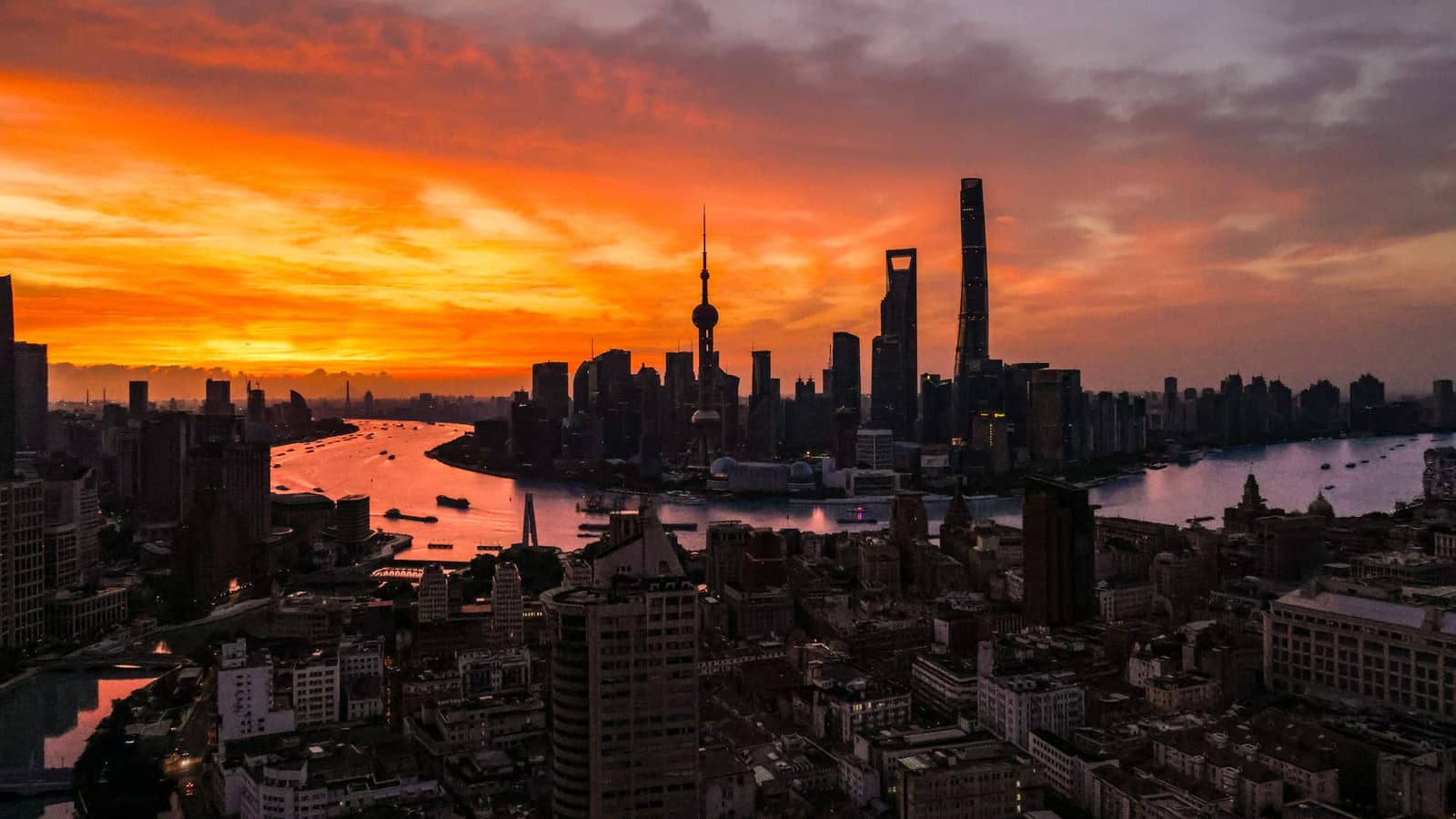 APTACNYBeijingChinaHuge market, but mostly for raw materials. Food plants must be registered with GACC; fresh produce needs a protocol.From India 2025-26US$ 19.5 bn
 CEPAJPYTokyoJapanHigh-value, quality-obsessed market. Buys shrimp, chemicals, auto parts and garments; strict food-sanitation checks.From India 2025-26US$ 6.04 bn
 CETAGBPLondonUnited KingdomNew CETA in force since July 2026 — most Indian goods now enter duty-free. Strong market for garments, food and engineering.From India 2025-26US$ 13.4 bn
 EURAmsterdamNetherlandsEurope's main gateway: Rotterdam handles goods for the whole EU. EU food-safety and residue rules apply.From India 2025-26US$ 17.5 bn
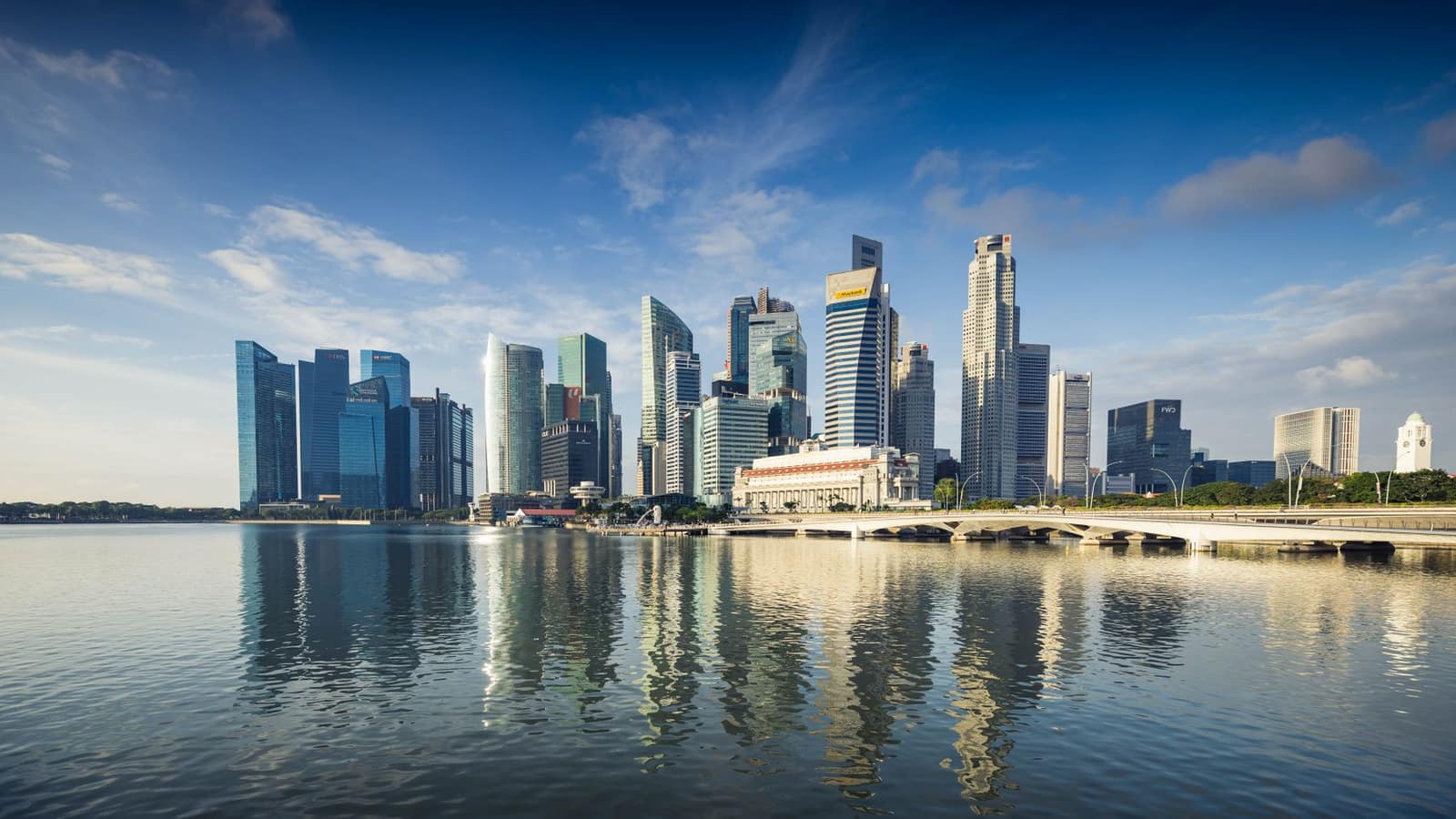 CECASGDSingaporeSingaporeDuty-free trading hub for South-East Asia. Strict food licensing by SFA; big Indian community.From India 2025-26US$ 11.9 bn
 CECAMYRKuala LumpurMalaysiaMulti-ethnic market with a large Indian-origin community. Halal expectations for food; CECA and AITIGA both apply.From India 2025-26US$ 6.83 bn
 AITIGAVNDHanoiVietnamFast-growing manufacturing economy buying raw materials, yarn, steel, chemicals and feed ingredients from India.From India 2025-26US$ 6.67 bn
More in marine
All products → Free to exportMarineFrozen fishIndia’s second-largest seafood export. MPEDA registration, an EIC-approved plant and a health certificate are the gate.HS0303Exports 2025-26US$ 917 mn ↑8.9%
 Free, with conditionsMarineSquid, cuttlefish and octopusFrozen squid, cuttlefish and octopus from the west and south coasts. Needs MPEDA registration, an EIC plant and an EU catch certificate.HS0307Exports 2025-26US$ 930 mn ↑30.3%
 Free to exportMarineFishmeal and fish oilFishmeal and fish oil from sardine and small pelagic fish, sold to feed makers in Asia. The EU route needs an EIC-approved plant.HS2301Exports 2025-26US$ 608 mn ↑91.8%