

Europe
Export to Netherlands
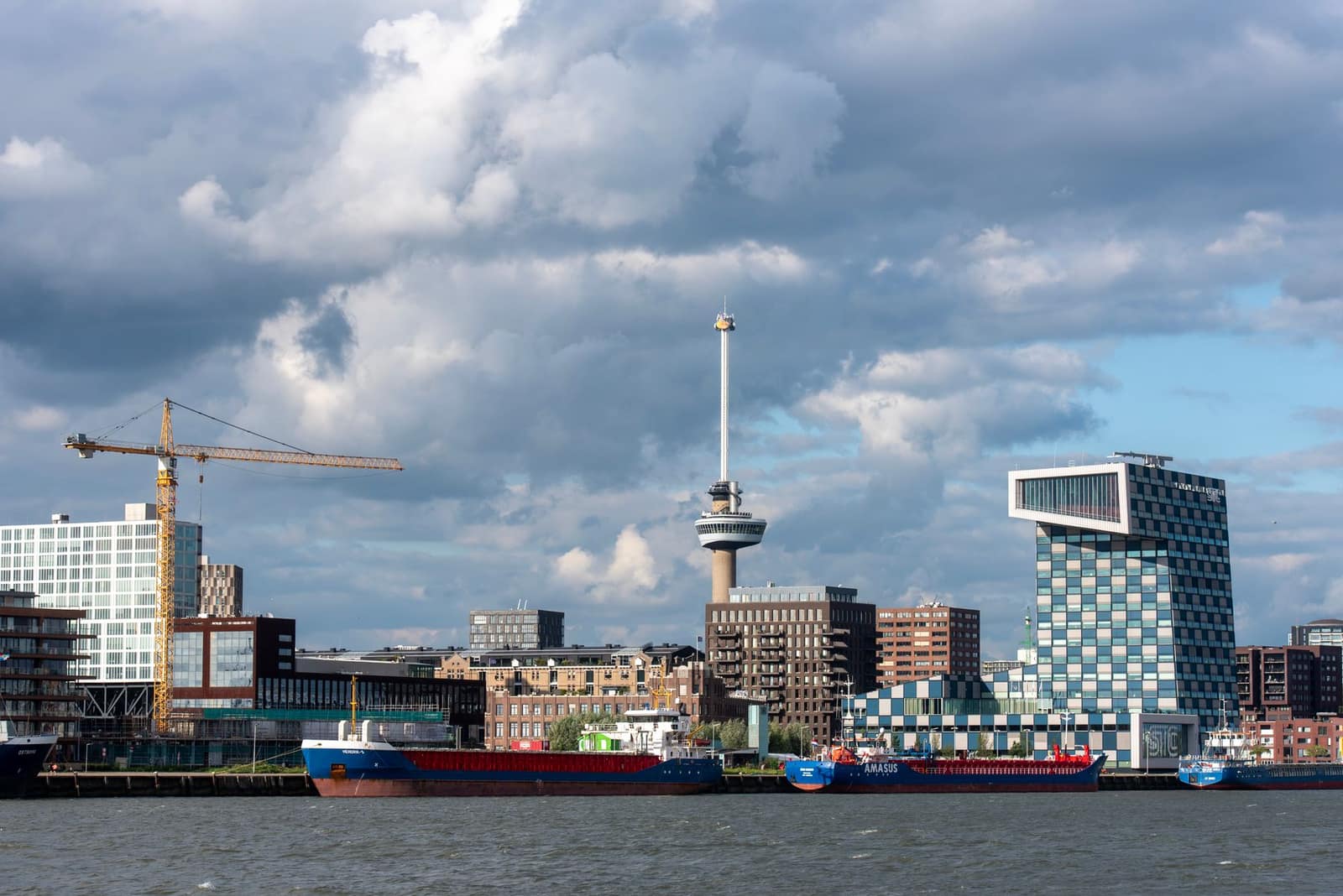
Europe's main gateway: Rotterdam handles goods for the whole EU. EU food-safety and residue rules apply.
- Capital
- Amsterdam
- Currency
- EUR
- Trade agreement with India
- India–EU Free Trade Agreement (concluded, not yet in force) Not in force yetNot yet in force (talks concluded 27 Jan 2026)
- Main ports
- Rotterdam, Amsterdam, Amsterdam Schiphol Airport
Much of what India sells to Europe enters through Rotterdam and is then trucked to Germany, Belgium and beyond. Dutch importers and distributors buy fresh grapes, spices, marine products, organic food and engineering goods for the whole EU. All EU rules apply here: pesticide residue limits, food-safety checks, and new rules on deforestation and carbon.

India and the EU concluded the FTA on 27 January 2026. The Commerce Ministry says 90.7% of India's exports to the EU (by value) will become duty-free when it enters into force. In June 2026 the Commerce Minister said it would be signed by December 2026 and take effect around February–March 2027. Until then, normal EU duties (and GSP where it applies) continue. Confirm current status on commerce.gov.in.
What it buys from India
- Petroleum products and chemicals
- Electronics, machinery and engineering goods
- Fresh grapes, spices, marine products and organic food
- Garments, footwear and medicines
Import rules on their side
- Pesticide residues must stay within EU maximum residue levels (MRLs), which are often far stricter than Indian limits. Grapes for the EU go through APEDA's residue monitoring plan.
- Some Indian foods are on the EU list for extra border checks, and every consignment of those products needs official test results. Check whether your product is listed before you ship.
- From 30 December 2026, large and medium EU importers must prove that coffee, rubber, wood, leather (cattle) and other covered goods are deforestation-free (EUDR); small firms follow from 30 June 2027. Be ready to give farm or forest location data.
- Iron, steel and aluminium goods fall under CBAM, whose definitive phase began on 1 January 2026 — your buyer will ask for embedded-emissions data. Chemicals in products must meet REACH, and many goods need CE marking.
Practical tips
- Dutch importers re-sell across Europe, so one good distributor can open several EU countries for you.
- Business is in English and very direct. Buyers expect quick replies, clear specifications and prices in euros.
- Payment is usually on open account or documents against payment once trust is built; credit insurance from ECGC helps.
Sources (11)
- Department of Commerce — India-EU Free Trade Agreement concluded (27 Jan 2026)
- All India Radio News — India-EU likely to sign FTA by December: Piyush Goyal (21 Jun 2026)
- European Commission — Access2Markets (EU tariffs and import rules by product)
- European Commission — EU pesticides database (maximum residue levels)
- European Commission — Food safety
- European Commission — Regulation on deforestation-free products (EUDR)
- European Commission Access2Markets — EUDR application delayed to December 2026
- European Commission — Carbon Border Adjustment Mechanism (CBAM)
- European Chemicals Agency — Understanding REACH
- Netherlands Tax and Customs Administration (Belastingdienst)
- Department of Commerce — TradeStat export-import data bank
Trade data
India’s exports to Netherlands in numbers
From the Department of Commerce’s TradeStat (Indian financial years, April–March), the country’s imports from the world from UN Comtrade, and its basics from the World Bank.
- India’s exports here, 2025-26
- US$ 17.5 bn No. 4 of our 30 countries
- Change from 2024-25
- ↓ -23.1% US$ 22.8 bn → US$ 17.5 bn
- Share of all Indian exports
- 3.96%
- Its imports from the world
- US$ 621.1 bn 2024 · India’s share 1.26%
What India sells here most
By HS chapter, 2025-26. Change is against 2024-25.
What is rising and what is falling
Chapters where India sells at least US$ 5 million. Change from 2024-25 to 2025-26.
↑ High demand
- Other chemical productsUS$ 113 mn → US$ 219 mn↑+93.5%
- Gems, jewellery, precious metalsUS$ 56.1 mn → US$ 96.8 mn↑+72.5%
- Vehicles and partsUS$ 191 mn → US$ 266 mn↑+39.2%
- Fish and seafoodUS$ 70.2 mn → US$ 93.9 mn↑+33.7%
- MachineryUS$ 426 mn → US$ 565 mn↑+32.4%
- Cereals (rice, wheat, maize)US$ 104 mn → US$ 131 mn↑+26%
- FootwearUS$ 136 mn → US$ 167 mn↑+22.5%
- Medicines and pharmaUS$ 423 mn → US$ 518 mn↑+22.3%
↓ Low demand
- Electrical and electronicsUS$ 2.86 bn → US$ 1.55 bn↓-45.8%
- Fuels and petroleum productsUS$ 13.2 bn → US$ 8.44 bn↓-36.2%
- AluminiumUS$ 200 mn → US$ 166 mn↓-16.9%
- Dyes, paints, inksUS$ 118 mn → US$ 102 mn↓-13.4%
- Furniture, lightingUS$ 137 mn → US$ 121 mn↓-11.8%
Opportunity: what this country buys from the world, and from India
The country’s own recorded imports in UN Comtrade, 2024. Chapters with the biggest gap between what it buys from the world and what it buys from India.
Our product guides that sell here
India’s exports of each product to this country, 2025-26.
The 20 biggest export lines
4-digit HS lines, 2025-26, with their Harmonized System descriptions.
What India buys from Netherlands
India’s imports from this country in 2025-26 by HS chapter, from TradeStat — this country can be your supplier too.
- India’s imports, 2025-26
- US$ 5.76 bn US$ 4.99 bn → US$ 5.76 bn
- India’s exports, 2025-26
- US$ 17.5 bn
- Trade balance
- +US$ 11.7 bn exports minus imports
- Change in imports
- +15.3%
The country at a glance
- Population
- 18.1 mn 2025
- GDP
- US$ 1,332.8 bn 2025
- GDP per person
- US$ 73,684 2025
- Imports (goods and services)
- US$ 925.6 bn 2025
Sources: TradeStat — Export Import Data Bank, Department of Commerce · UN Comtrade database (United Nations Statistics Division) · World Bank — World Development Indicators · Figures taken 29 October 2026.
What to send to Netherlands
All products → Free to exportFarm produceFresh grapesThompson Seedless and coloured grapes from Nashik and Sangli, mainly to Europe and Russia. EU lots must clear GrapeNet.HS0806.10Exports 2025-26US$ 368 mn ↑3.9%
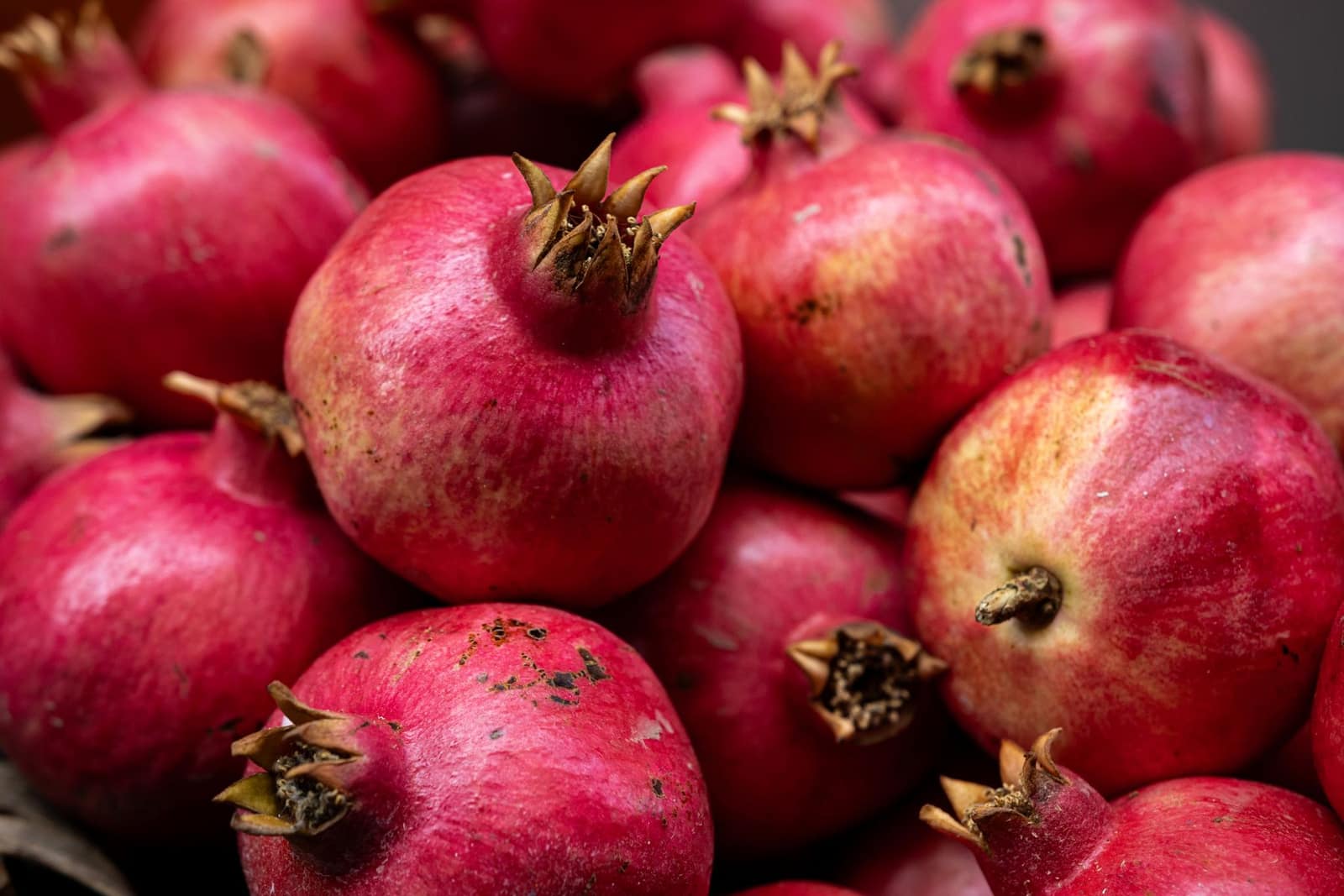 Free to exportFarm produceFresh pomegranateBhagwa pomegranate from Maharashtra for the Gulf, Europe and new markets. AnarNet traceability is required for the EU.HS0810.90Exports 2025-26US$ 121 mn ↑19%
 Free to exportFarm produceSpicesWhole, ground and blended spices. Spices Board registration (CRES) is compulsory; residue and ethylene oxide tests keep buyers.HS0904–0910Exports 2025-26US$ 3.12 bn ↓5.1%
 Free to exportMarineFrozen shrimpIndia’s top seafood export. Needs MPEDA registration and an EIC-approved plant; residue testing and US trade measures shape the business.HS0306.17Exports 2025-26US$ 5.61 bn ↑9.1%
 Free to exportProcessed foodProcessed foodSnacks, pickles, ready-to-eat meals, sauces, biscuits and mixes. FSSAI licence plus the buyer country’s labelling and registration rules.HS19–21Exports 2025-26US$ 4.19 bn ↑8.9%
 Free, with conditionsFarm produceOrganic productsCertified organic grains, oilseeds, spices, tea and processed foods. Only NPOP certification lets you export as "organic".HSVaries
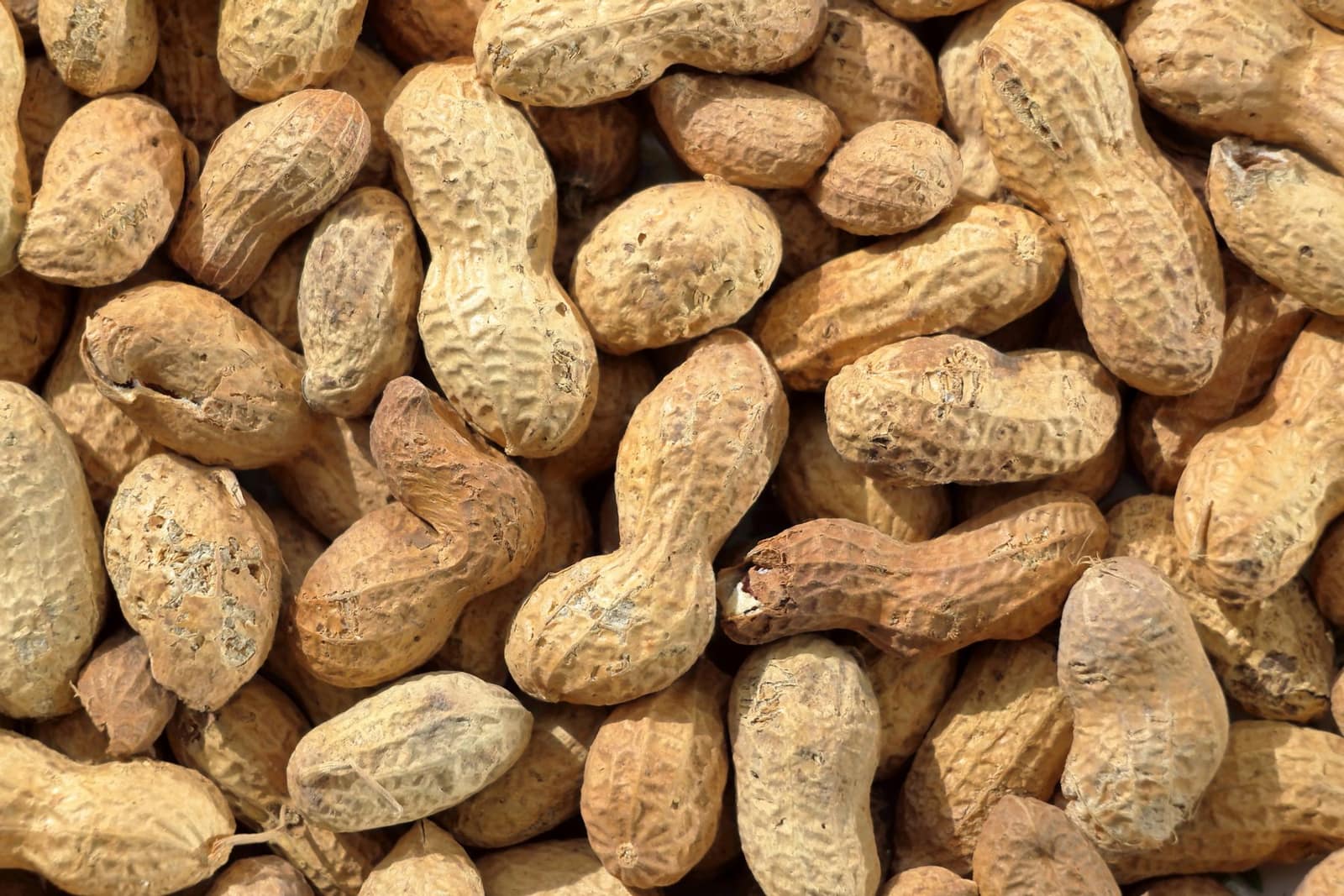 Free, with conditionsFarm produceGroundnut (peanut)Bold and Java kernels from Gujarat and Rajasthan, mainly to South-East Asia. APEDA registration and an aflatoxin certificate are compulsory.HS1202.42Exports 2025-26US$ 691 mn ↓13.1%
 Free to exportTextiles & apparelReadymade garmentsKnitted and woven clothing for brands and retailers; the USA, UK, UAE and the EU are the big buyers.HS6109.10Exports 2025-26US$ 15.8 bn ↓1.2%
More in Europe
 CETAGBPLondonUnited KingdomNew CETA in force since July 2026 — most Indian goods now enter duty-free. Strong market for garments, food and engineering.From India 2025-26US$ 13.4 bn
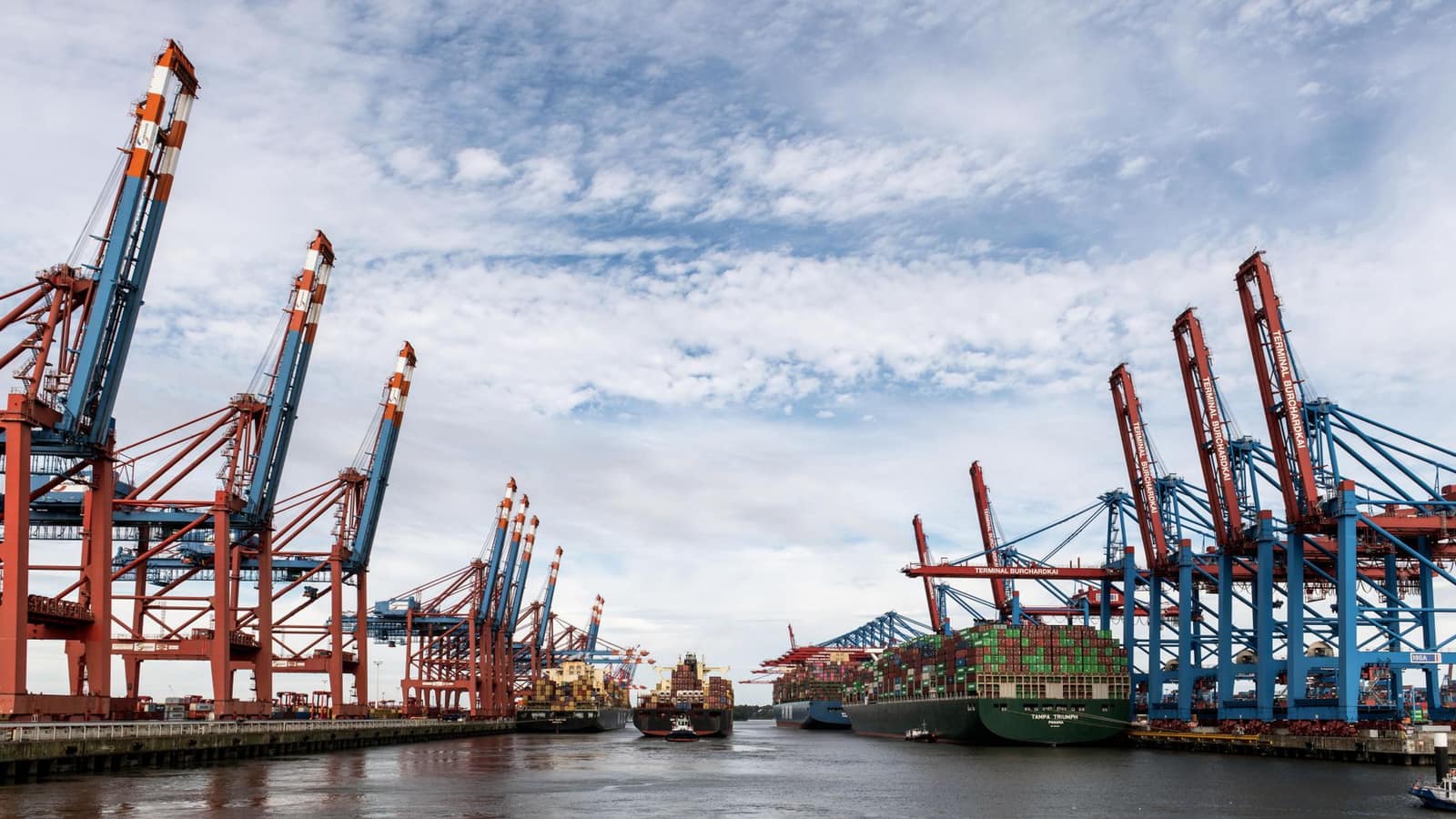 EURBerlinGermanyEurope's largest economy and India's biggest EU partner. Values quality, certificates and supply-chain transparency.From India 2025-26US$ 11.5 bn
 EURParisFranceFashion, food and design market. EU rules plus French-language labels; SIAL Paris is a key food fair.From India 2025-26US$ 7.1 bn
 EURRomeItalyManufacturing buyer of Indian leather, yarn, castings, chemicals and seafood. EU rules apply.From India 2025-26US$ 7.79 bn