


Textiles & apparel
Export readymade garments
Knitted and woven clothing for brands and retailers; the USA, UK, UAE and the EU are the big buyers.
- HS code
- 6109.10 T-shirts and vests of cotton, knitted (HS 6109.10). All knitted garments sit in Chapter 61 and woven garments in Chapter 62.
- Export policy
- Free to export Free to export under ITC(HS) Schedule 2. Garments are covered by RoSCTL, not RoDTEP; check the current RoSCTL rate schedule for your exact line.
- Registrations
- 4 IEC, GST and those below
- India’s exports, 2025-26
- US$ 15.8 bn to 202 countries
What is exported
India makes knitwear (Tiruppur, Ludhiana), woven shirts and dresses (Bengaluru, Delhi NCR, Jaipur) and ethnic wear. Buyers are brands, retailers and importers who send a tech pack and expect samples, fit approval and a fixed delivery window. In 2025-26 India exported about US$ 7.6 billion of knitted garments (Chapter 61) and US$ 8.2 billion of woven garments (Chapter 62); the USA was the largest buyer of both, followed by the UK, UAE, Germany, Spain and the Netherlands.


Varieties, grades and forms
- Knitted cotton T-shirts, polos and vests (HS 6109, 6105)India's largest garment line; Tiruppur specialises in it.
- Woven shirts and blouses (HS 6205, 6206)Cotton and linen shirting for menswear brands and women's tops.
- Trousers, jeans and shorts (HS 6203, 6204)Denim and cotton bottoms; buyers test shrinkage and colour fastness.
- Women's dresses and ethnic wear (HS 6204, 6211)Printed and embroidered dresses, kurtas and kaftans — Jaipur and Delhi NCR are strong here.
- Babywear and nightwearSoft cotton knits; strict chemical and safety tests (no loose buttons or cords for children).
Where it is grown or made
- Tamil NaduTiruppur (knitwear), Chennai, Coimbatore
- Delhi NCR (Haryana, Uttar Pradesh, Delhi)Gurugram, Noida, Okhla — women's wear and fashion garments
- KarnatakaBengaluru — large woven and knit factories for global brands
- PunjabLudhiana — woollen knitwear and hosiery
- RajasthanJaipur — hand-block and screen-printed garments
- MaharashtraMumbai and Tarapur
The quality buyers ask for
- Fabric weight
- GSM (grams per square metre), tested by ISO 3801 or ASTM D3776, with a tolerance such as ±5% agreed with the buyer
- Shrinkage
- Dimensional change after washing (ISO 6330 / ISO 5077); buyers commonly set a limit of a few per cent in their manual
- Colour fastness
- To washing (ISO 105-C06), rubbing (ISO 105-X12), perspiration (ISO 105-E04) and light (ISO 105-B02), graded on a 1–5 grey scale
- Chemicals
- pH (ISO 3071), formaldehyde (ISO 14184-1), banned azo dyes (EU REACH limit 30 mg/kg for listed amines), and the buyer's restricted substances list
- Children's wear safety
- No cords or drawstrings in the hood and neck area (EN 14682); button and snap pull tests; US small-parts and lead limits for children's products
- Flammability (USA)
- Clothing textiles must meet 16 CFR Part 1610; children's sleepwear has stricter rules
- Inspection level
- Final random inspection by AQL sampling (ISO 2859-1); AQL 2.5 for major defects is a common buyer setting
Certificates
- Social compliance audit (amfori BSCI, SMETA/Sedex, WRAP or SA8000)RequiredChecks wages, hours, safety and child labour at the factory. Nearly every brand and retailer asks for one before the first order.
- OEKO-TEX STANDARD 100Often askedProduct test for harmful substances; widely asked for babywear and basics.
- GOTSOften askedFor garments sold as organic; covers the whole chain from fibre to garment, with transaction certificates.
- GRS / RCSOften askedGlobal Recycled Standard or Recycled Claim Standard for garments with recycled polyester or cotton.
- Higg FEM / ZDHCOften askedEnvironmental self-assessment and chemical-management programmes many brands now require from their factories and wet processors.
- ISO 9001Often askedQuality management for the factory; helpful with larger buyers.
Shipping, storage and shelf life
Folded garments go in 5- or 7-ply cartons, typically 40–60 cartons per 10 cubic metres depending on size. A 40-ft container has about 67 cubic metres; hanging garments (GOH) use special containers with rails.
Sea for regular orders (LCL for small lots); air for samples, late orders and fashion replenishment.
Store packed cartons dry and ventilated; damp cartons cause mould and odour claims. Use silica gel sachets if the buyer allows.
What goes on the pack and carton
- EU: fibre content using the names in Regulation (EU) No 1007/2011, in the language of the country of sale.
- USA: fibre content, country of origin and the maker's or RN number (Textile Act), plus a permanent care label (16 CFR Part 423).
- Size label, care symbols (ISO 3758 in Europe), and the buyer's barcode and price tickets.
- Cartons: PO number, style, colour, size break-up, quantity, carton number, gross and net weight, 'Made in India'.
Buyers usually name a lab. Many global test houses have NABL-accredited labs in Tiruppur, Delhi NCR, Bengaluru and Mumbai; search the NABL directory under 'textiles'. AEPC and the textile research associations (NITRA, BTRA, SITRA, ATIRA) also offer garment testing.
Benefits of exporting this product
- RoSCTL instead of RoDTEP
Garments fall under the RoSCTL scheme (garments in Chapters 61–62, made-ups in Chapter 63), not RoDTEP. The rebate comes as a transferable duty credit scrip, at the rates and value caps notified by the Ministry of Textiles (Notification 14/26/2016-IT (Vol.II), 8 Mar 2019). The scheme was extended to 30 Sep 2026 and a further extension to 31 Dec 2026 has been reported; we could not open the rate schedule, so check your rate and the current status on texmin.nic.in.
PIB — RoSCTL guidelines (apparel under Chapters 61–62 and made-ups under Chapter 63; rates of Notification 14/26/2016-IT (Vol.II) dated 08.03.2019) ↗ - Duty drawback: 3.1% of FOB
Drawback item 610901 (knitted T-shirts, singlets and vests of cotton) has an All Industry Rate of 3.1% of FOB, capped at ₹12 per piece, paid into your bank account. It is not available on exports under Advance Authorisation or from EOU/SEZ units. RoSCTL and drawback can both be claimed on the same shipment. Check the current schedule on the CBIC drawback page before shipping.
Gazette of India — Notification 77/2023-Customs (N.T.) dated 20.10.2023: All Industry Rates of duty drawback, in force from 30.10.2023 ↗ - Zero duty into the UK (CETA)
The India-UK CETA came into force on 15 July 2026 and gives zero-duty access to nearly 99% of India's exports; the Commerce Ministry named textiles among the sectors that gain. Claim it with a CETA certificate of origin and check the line for your code on the UK Trade Tariff.
PIB — India-UK CETA enters into force (15 Jul 2026): zero-duty access for nearly 99% of India's exports ↗
Where to register
- AEPC (Apparel Export Promotion Council)RCMC for readymade garments. Needed for RoSCTL and other export benefits.aepcindia.com ↗
- Indian Silk EPC / Wool & Woollens EPC (if the garment is silk or wool)Silk and wool garments come under their own councils as per DGFT Appendix 2T.content.dgft.gov.in ↗
Quality and checks
- USA: a permanent label with fibre content, country of origin ("Made in India") and the maker or importer identity, as required by the FTC Textile Act rules; plus care labels.
- EU: fibre names and percentages under the EU textile labelling rules, and REACH limits on restricted chemicals such as certain azo dyes.
- Buyer audits: most brands ask for a social-compliance audit of the factory and a third-party lab test (colour fastness, shrinkage, restricted substances) before the first order.
- Cotton origin traceability for US-bound goods (Uyghur Forced Labor Prevention Act).
Pick one product you can make well (for example cotton T-shirts or kurtas) and one market. Build a short catalogue with real photos and prices, get an AEPC RCMC, and visit an AEPC-backed fair or buyer-seller meet. Expect to send paid samples, then a small trial order with an advance payment; air-ship the first lot if the buyer needs it fast.
Where new exporters go wrong
- Missing the delivery window. Late shipments lead to discounts, air freight at your cost, or cancellation.
- Shipping without the buyer's final inspection approval, then facing a claim for measurement or shade variation.
- US duties on Indian goods have changed several times since 2025. Check the current US rate on the US tariff schedule before you agree a landed price.
Documents this product needs
Schemes that apply
- RoSCTL Rebate of State and Central Taxes and Levies
- Drawback Duty Drawback (All Industry Rates)
- Advance Authorisation Advance Authorisation
- EPCG Export Promotion Capital Goods Scheme
- ECGC ECGC export credit insurance for small exporters
- LUT Letter of Undertaking for zero-rated exports under GST
- Districts as Export Hubs Districts as Export Hubs
- EPM Export Promotion Mission (Niryat Protsahan and Niryat Disha)
Sources (8)
- Department of Commerce, Export Import Data Bank — India's exports of HS 61 and 62 by country, 2025-26
- DGFT — Appendix 2T: Export Promotion Councils and the products under each
- DGFT — ITC(HS) export policy search (Schedule 2)
- US FTC — Labeling requirements under the Textile and Wool Acts
- European Chemicals Agency — Understanding REACH
- US Customs and Border Protection — Uyghur Forced Labor Prevention Act
- US International Trade Commission — Harmonized Tariff Schedule (current US duty rates)
- AEPC — official site
Trade data
Indian readymade garments exports in numbers
From the Department of Commerce’s TradeStat, country by country. US$, Indian financial years (April–March).
- Exports in 2025-26
- US$ 15.8 bn +5.2% a year on average, 2020-21 to 2025-26
- Change from 2024-25
- ↓ -1.2% US$ 16 bn → US$ 15.8 bn
- Buyer countries
- 202
- Average export price
- US$ 4.01 per kg · 3.94 mn tonnes shipped · US$ 4.01 the year before
The price cycle
India’s average export price per kg each year (total value ÷ total quantity). Highest in 2022-23, lowest in 2020-21 — a 15% swing between them. Keep this swing in mind when you quote.
What next: a projection from the trend
The past trend carried forward — not a forecast by any authority. Sudden changes in policy, prices or demand are not in it.
Likely range US$ 15 bn to US$ 20.3 bn.
- Trend
- +3.3% a year
- Fit (R²)
- 0.33 — weak, read with care
- Based on
- 6 years of official figures
Method: a straight line through the logarithm of yearly exports (log-linear regression); range = ±1 standard error.
Biggest buyer countries
By value in 2025-26. Change is against 2024-25.
Where demand is rising and falling
Only countries that buy at least US$ 1 million or 1% of India’s exports of this product. Change from 2024-25 to 2025-26.
Which forms sell, and at what price
India’s exports by 8-digit tariff line, 2025-26. Average price = total value ÷ total quantity (TradeStat): the average of every shipment on that line, not the price of any one deal.
| Tariff line | Value 2025-26 | Change | Quantity | Average price |
|---|---|---|---|---|
T-shirts, singlets and other vests, of cotton, knitted or crocheted — t-shirts etc. of cotton6109 10 00 | US$ 1.78 bn | ↑+0.8% | 768 mn pieces | US$ 2.31 per piecewas US$ 2.30 |
Dresses, women's or girls', of cotton — other dresses of cotton6204 42 90 | US$ 816 mn | ↓-1.8% | 89.3 mn pieces | US$ 9.13 per piecewas US$ 9.17 |
Babies garments etc. of cotton6111 20 00 · Garments and clothing accessories, babies', of cotton, knitted or crocheted | US$ 745 mn | ↓-9% | 37,102 tonnes | US$ 20.08 per kgwas US$ 19.77 |
Shirts, men's or boys', of cotton — of cotton: other6205 20 90 | US$ 637 mn | ↓-10.3% | 94.3 mn pieces | US$ 6.75 per piecewas US$ 6.69 |
Others-of-blouses,shirts and shirts-blouses of cotton6206 30 90 · Blouses, shirts and shirt-blouses, women's or girls', of cotton | US$ 631 mn | ↓-1.3% | 88.6 mn pieces | US$ 7.13 per piecewas US$ 6.87 |
Other dresses of synthetic fibres6204 43 90 · Dresses, women's or girls', of synthetic fibres | US$ 516 mn | ↓-10.2% | 67.6 mn pieces | US$ 7.63 per piecewas US$ 7.98 |
Trousers, bib and brace overalls, breeches and shorts, men's or boys', of cotton — of cotton: other6203 42 90 | US$ 465 mn | ↑+2.2% | 69.5 mn pieces | US$ 6.69 per piecewas US$ 6.65 |
T-shirt etc. of other fibres6109 90 90 · T-shirts, singlets and other vests, of textile materials, knitted or crocheted | US$ 437 mn | ↓-8.9% | 181 mn pieces | US$ 2.42 per piecewas US$ 2.45 |
Trousers, bib and brace overalls, breeches and shorts, women's or girls', of cotton — of cotton: other6204 62 90 | US$ 395 mn | ↑+16.7% | 61.5 mn pieces | US$ 6.43 per piecewas US$ 5.94 |
Cotton grmnts other thn kurta and salwar with/without duppatta - other6211 42 99 · Track suits and other garments, women's or girls', of cotton | US$ 342 mn | ↑+8.5% | 51.0 mn pieces | US$ 6.71 per piecewas US$ 6.33 |
Nightdresses and pyjamas of cotton6108 31 00 · Nightdresses and pyjamas, women's or girls', of cotton, knitted or crocheted | US$ 303 mn | ↑+8% | 86.3 mn pieces | US$ 3.51 per piecewas US$ 3.25 |
Knit shirts (except t-shirts) and sweat shirts,other than hand crocheted of ctn6105 10 20 · Shirts, men's or boys', of cotton, knitted or crocheted | US$ 302 mn | ↓-5.6% | 57.6 mn pieces | US$ 5.24 per piecewas US$ 5.34 |
Other garments of man-made fibres - other6211 43 90 · Track suits and other garments, women's or girls', of man-made fibres | US$ 272 mn | ↑+3.2% | 42.4 mn pieces | US$ 6.42 per piecewas US$ 6.00 |
Jerseys, pullovers, cardigans, waistcoats and similar articles, of cotton, knitted or crocheted — jerseys etc. of cotton6110 20 00 | US$ 232 mn | ↑+5.7% | 30.7 mn pieces | US$ 7.57 per piecewas US$ 8.11 |
The world market
Each country’s own recorded exports and imports in UN Comtrade, 2023 (the latest year nearly every country has reported).
- World imports
- US$ 434.9 bn 2023
- India among exporters
- #7 of 164 countries
- India’s share of world exports
- 3.2% US$ 14.5 bn
- Left for others to win
- US$ 441.9 bn exported by other countries
Top exporters — your competitors
- 1ChinaUS$ 152.5 bn 33.4%
- 2Viet NamUS$ 30.1 bn 6.6%
- 3GermanyUS$ 28.8 bn 6.3%
- 4ItalyUS$ 28.5 bn 6.2%
- 5TürkiyeUS$ 18.3 bn 4%
- 6FranceUS$ 15.6 bn 3.4%
- 7IndiaUS$ 14.5 bn 3.2%
- 8SpainUS$ 14.3 bn 3.1%
- 9PolandUS$ 12 bn 2.6%
- 10NetherlandsUS$ 11.7 bn 2.6%
Biggest buyers in the world
- 1USAUS$ 81.6 bn 18.8%
- 2GermanyUS$ 43.7 bn 10.1%
- 3FranceUS$ 26 bn 6%
- 4JapanUS$ 23.7 bn 5.5%
- 5ItalyUS$ 20.6 bn 4.7%
- 6SpainUS$ 20.3 bn 4.7%
- 7United KingdomUS$ 20.3 bn 4.7%
- 8NetherlandsUS$ 16.1 bn 3.7%
- 9PolandUS$ 13.7 bn 3.2%
- 10Rep. of KoreaUS$ 12 bn 2.8%
Opportunity: what these countries buy from the world, and from India
Each country’s own recorded imports in UN Comtrade, latest year it has reported. The long light part of each bar is demand other countries are filling today.
All knitted (Ch. 61) and woven (Ch. 62) garments. TradeStat’s 2023-24 quantities are double-counted, so that year is left out of the price. Sources: TradeStat — Export Import Data Bank, Department of Commerce · UN Comtrade database (United Nations Statistics Division) · Figures taken 29 October 2026.
Step by step
How to export readymade garments
China is the world's largest garment exporter, followed by Bangladesh and Vietnam; India sits in the next group with Turkey, Cambodia and Indonesia. India's strengths are cotton knitwear, printed and embroidered women's wear, and a full chain from fibre to finished garment at home. Buyers are spreading orders away from a single country, and trade agreements such as the India-UK CETA cut duties in some markets. Openings for a small exporter are in short runs, ethnic and embellished wear, organic cotton basics, and quick replenishment orders that large far-away factories handle poorly.
- 01Tech pack and costing
Get the buyer's tech pack (design, measurements, trims) and cost fabric, making, trims, testing and freight.
- 02Proto and fit samples
Make samples, get fit comments and revise until the buyer approves.
- 03Factory audit and lab tests
Clear the social audit and send fabric and garment for the buyer's lab tests.
- 04Pre-production sample and order
Approve the PP sample, then receive the PO with delivery date and payment terms.
- 05Bulk production with inline checks
Cut, stitch and finish with inline and pre-final inspections to catch defects early.
- 06Final inspection and shipment
Pass the AQL final inspection, pack to the carton plan, file the shipping bill and claim RoSCTL and drawback.
- 07Payment
Collect against LC, documents against payment, or on open account for known buyers; use ECGC cover for credit terms.
Meet buyers
Trade fairs
- Usually twice a year, January and July — check datesIndia International Garment Fair (AEPC)New Delhi, Indiaaepcindia.com ↗
- Twice a year (winter and summer editions) — check datesTexworld Evolution ParisParis, Francetexworld-paris.fr.messefrankfurt.com ↗
- Twice a year — check datesTexworld New York CityNew York, USAtexworld-usa.us.messefrankfurt.com ↗
- Next: 31 March–3 April 2027Bharat TexNew Delhi, Indiabharat-tex.com ↗
Questions
Questions about exporting readymade garments
Do I need my own factory to export garments?
What is AQL 2.5?
Which audit should I get first?
Can I claim RoSCTL and RoDTEP together?
Why was my shipment rejected for labels?
Sources (9)
- AEPC (Apparel Export Promotion Council) — official site
- EUR-Lex — Regulation (EU) No 1007/2011 on textile fibre names and labelling
- US FTC — Threading your way through the labelling requirements under the Textile and Wool Acts
- eCFR — 16 CFR Part 423, Care labelling of textile wearing apparel and certain piece goods
- eCFR — 16 CFR Part 1610, Standard for the flammability of clothing textiles
- ECHA — substances restricted under REACH (Annex XVII list with conditions)
- OEKO-TEX — STANDARD 100
- Global Organic Textile Standard (GOTS)
- NABL — search for accredited testing laboratories
Who buys Indian readymade garments
All countries → USDWashington, D.C.United States of AmericaIndia's largest single-country export market. Strict FDA rules for food; extra 10% US duty on most goods since July 2026.From India 2025-26US$ 87.3 bn
 CETAGBPLondonUnited KingdomNew CETA in force since July 2026 — most Indian goods now enter duty-free. Strong market for garments, food and engineering.From India 2025-26US$ 13.4 bn
 CEPAAEDAbu DhabiUnited Arab EmiratesIndia's biggest Gulf buyer and a re-export hub for the Middle East and Africa. CEPA in force since 2022.From India 2025-26US$ 37.4 bn
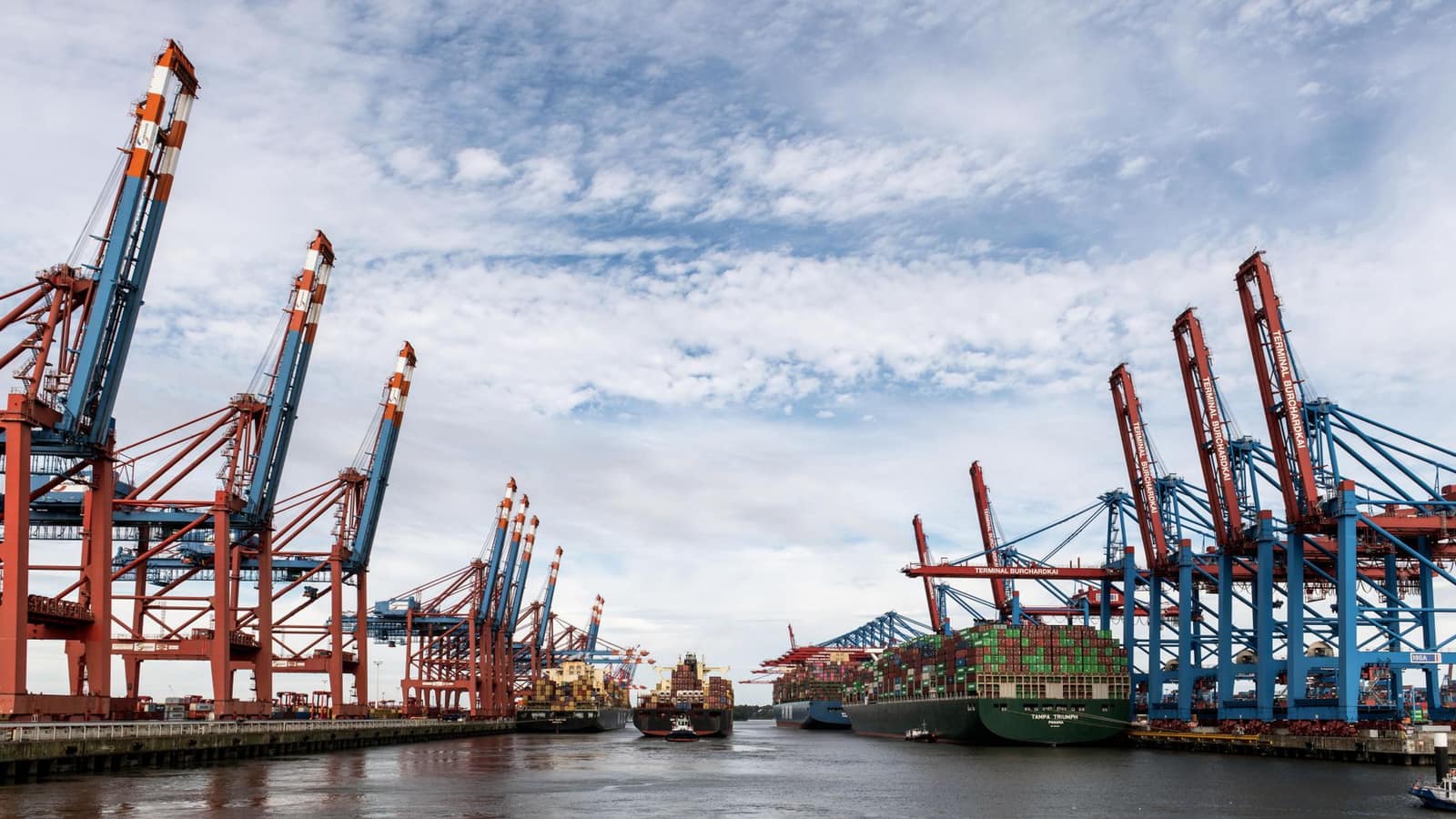 EURBerlinGermanyEurope's largest economy and India's biggest EU partner. Values quality, certificates and supply-chain transparency.From India 2025-26US$ 11.5 bn
 EURMadridSpainGrowing EU buyer of Indian garments, seafood, chemicals and auto parts; Valencia and Algeciras are key ports.From India 2025-26US$ 6.96 bn
 EURAmsterdamNetherlandsEurope's main gateway: Rotterdam handles goods for the whole EU. EU food-safety and residue rules apply.From India 2025-26US$ 17.5 bn
 EURParisFranceFashion, food and design market. EU rules plus French-language labels; SIAL Paris is a key food fair.From India 2025-26US$ 7.1 bn
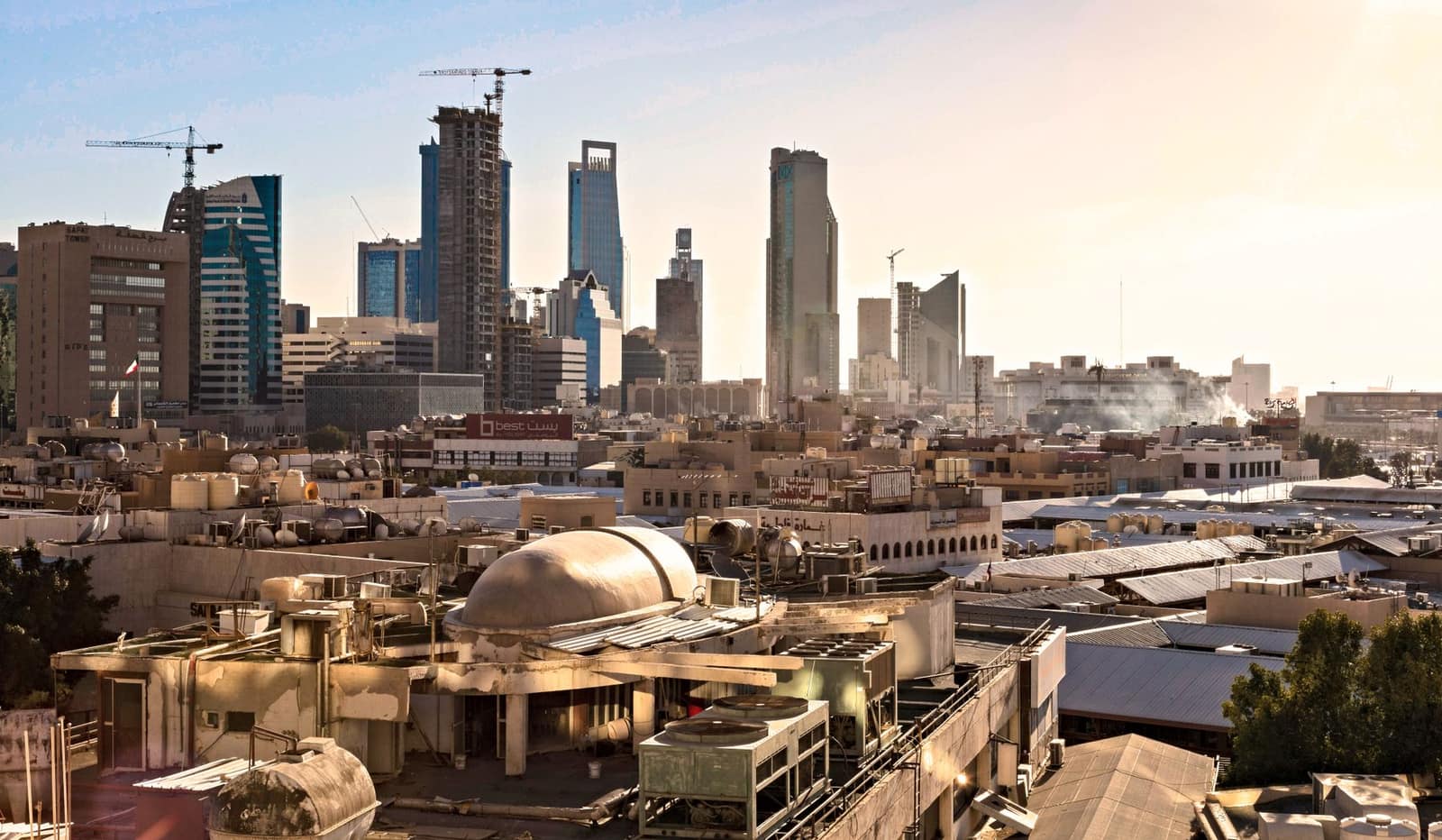 SARRiyadhSaudi ArabiaLarge Gulf market for rice, food and engineering goods. Strict SFDA food rules and SABER certification for regulated goods.From India 2025-26US$ 10.3 bn
More in textiles & apparel
All products →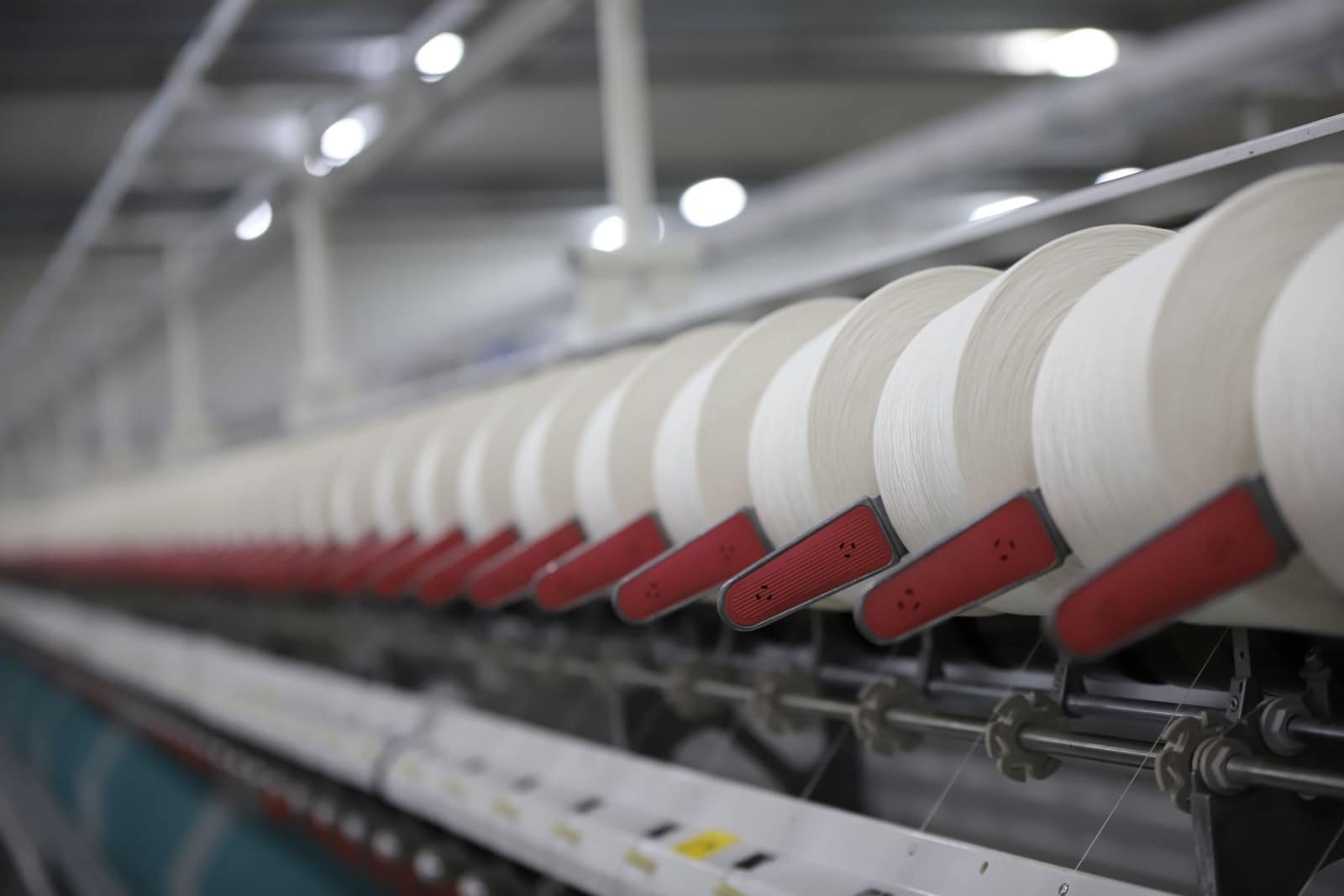 Free to exportTextiles & apparelCotton yarnBulk cotton yarn sold to weaving and knitting mills abroad; Bangladesh is by far the largest buyer.HS5205Exports 2025-26US$ 3.22 bn ↓4.1%
 Free to exportTextiles & apparelHome textiles (bed, bath and kitchen linen)Bedsheets, towels and kitchen linen for retailers; the USA buys more than half of India's exports.HS6302Exports 2025-26US$ 2.01 bn ↓5.7%
 Free to exportTextiles & apparelHandloom productsHand-woven fabrics, stoles and furnishings; buyers pay for craft, story and certified handloom origin.HS6304Exports 2025-26US$ 1.75 bn ↓8.6%
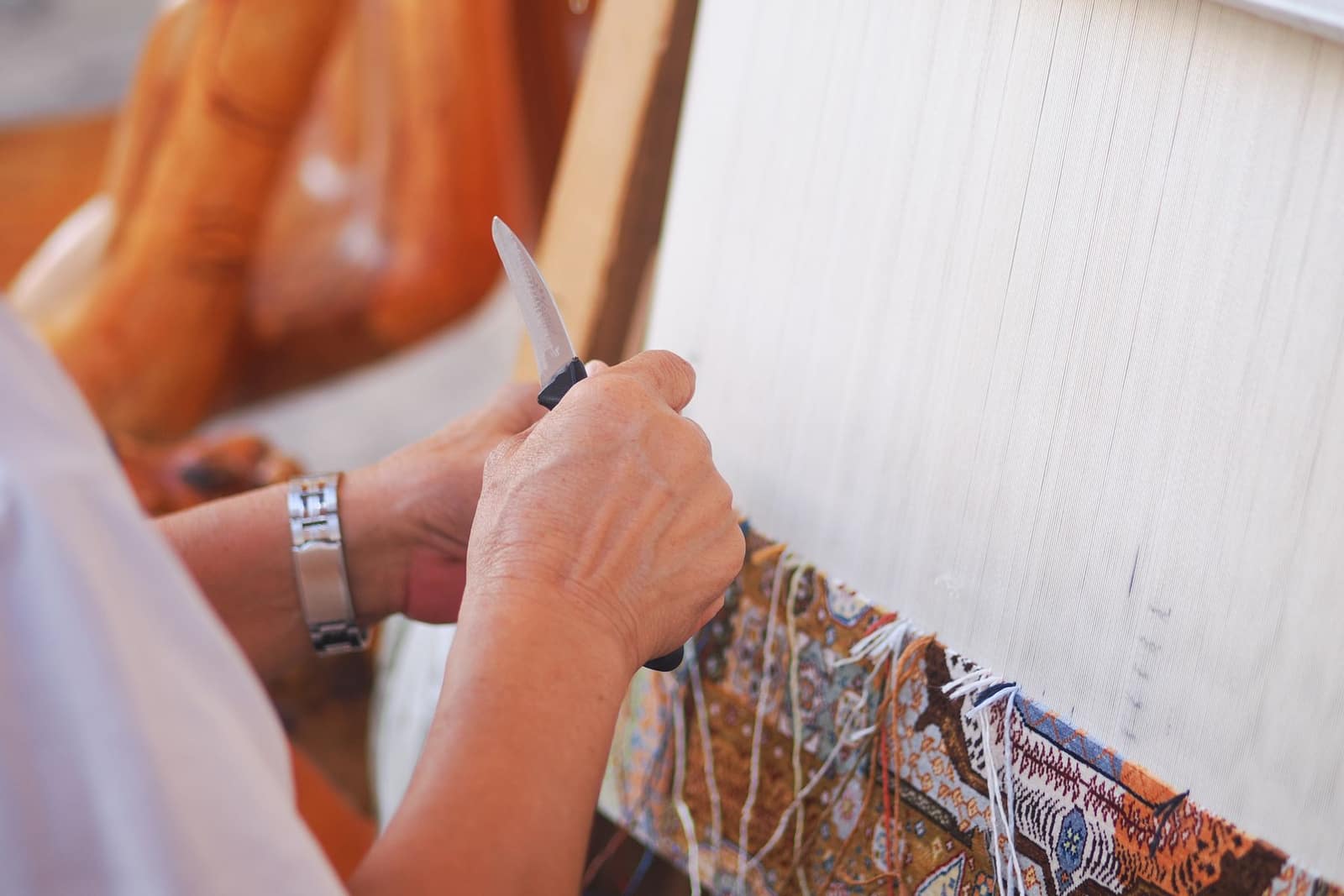 Free to exportTextiles & apparelCarpets and rugsHand-knotted, tufted and flat-woven rugs from Bhadohi, Jaipur and Panipat; the USA buys over half.HS5701Exports 2025-26US$ 1.97 bn ↓5.9%