


Leather & footwear
Export leather goods (bags, wallets, belts)
Leather handbags, wallets and travel goods for brands; the USA and Europe buy most.
- HS code
- 4202 Trunks, suitcases, handbags, wallets, purses and similar cases. Leather belts and garments are in HS 4203.
- Export policy
- Free, with conditions Finished leather goods are free to export, but goods made from skins of wild or protected animals are prohibited. Raw hides and skins carry separate controls.
- Registrations
- 3 IEC, GST and those below
- India’s exports, 2025-26
- US$ 1.59 bn to 170 countries
What is exported
Kolkata, Chennai, Kanpur and Delhi NCR make leather handbags, wallets, belts and travel goods, mostly for brands that send their own designs. In 2025-26 India exported about US$ 1.6 billion under HS 4202; the USA led, followed by Germany, the UK, Spain, France and the Netherlands.


Varieties, grades and forms
- Handbags and shoulder bagsFinished leather bags for fashion brands — the biggest line.
- Wallets, purses and small leather goodsCard holders, key cases and passport covers.
- BeltsLeather belts for men and women, often with brand buckles supplied by the buyer.
- Travel goods and briefcasesDuffel bags, laptop bags and briefcases in leather or leather with canvas.
- Leather gloves and garmentsFashion and industrial gloves, jackets — separate HS lines (4203).
Where it is grown or made
- West BengalKolkata (Bantala leather complex) — bags, wallets and belts
- Tamil NaduChennai, Ranipet, Vellore and Ambur — tanneries and goods makers
- Uttar PradeshKanpur (saddlery, belts, finished leather) and Noida
- Delhi NCR and PunjabDelhi and Jalandhar
The quality buyers ask for
- Chromium VI
- EU REACH: leather articles in contact with skin must contain less than 3 mg/kg of chromium VI (tested by EN ISO 17075)
- Azo dyes
- EU REACH: listed aromatic amines from azo dyes below 30 mg/kg
- Other restricted substances
- PCP, DMFu, PAHs in coatings and the brand's restricted substances list
- Physical tests
- Colour fastness to rubbing (ISO 11640), finish adhesion, tear strength, handle and strap pull strength
- Leather type
- Animal (cow, buffalo, goat, sheep), tannage (chrome, vegetable), thickness in mm, finish
- Hardware
- Nickel release from buckles and zips under the EU REACH limit; salt-spray resistance
Certificates
- Chemical test report (Cr VI, azo, restricted substances)RequiredNeeded for nearly every EU and US order.
- Leather Working Group (LWG)Often askedEnvironmental audit of the tannery; many brands buy only LWG-rated leather.
- Social compliance audit (amfori BSCI, SMETA or SA8000)RequiredRequired by most retailers for the stitching unit.
- CITES permit (exotic leathers)Often askedNeeded for leathers from protected species; most exotic skins cannot be exported from India at all.
- CE (PPE) for protective glovesOften askedWork gloves sold as personal protective equipment in the EU need CE marking under Regulation (EU) 2016/425 and tests to EN 420 / EN 388.
- ISO 9001 / ISO 14001Often askedQuality and environmental systems.
Shipping, storage and shelf life
Cartons with each item in a dust bag and paper stuffing; LCL or 20-ft/40-ft containers by volume. Many brands ship fashion lots by air.
Sea from Chennai, Kolkata or Nhava Sheva; air for samples and fast fashion.
Leather moulds in humidity; store dry and use silica gel and anti-mould sachets that are allowed in the EU (no DMFu).
What goes on the pack and carton
- Country of origin ('Made in India') on the product.
- Material description true to content: 'genuine leather' only for real leather; state coated or bonded leather honestly.
- Care instructions and the brand's swing tags and barcodes.
- PPE gloves in the EU: CE mark, size, performance pictograms and user information.
CSIR-Central Leather Research Institute (CLRI), Chennai, tests leather for chemicals and physical properties and has regional centres. The Footwear Design and Development Institute (FDDI) runs NABL-accredited labs that test leather goods. For other labs, search 'leather' in the NABL directory.
Benefits of exporting this product
- RoDTEP: 1.1% of FOB
Tariff item 4202 21 10 (handbags for ladies with outer surface of leather) earns 1.1% of FOB value, with no rupee cap, as a duty credit scrip on ICEGATE. Most HS 4202 lines carry 1.1%; handbags of plastics, cotton or jute (4202 22 10–40) get 1.2%. These rates continue to 31 Dec 2026 (DGFT Notification 41/2026-27). Confirm your exact 8-digit line on the DGFT RoDTEP page before you price an order.
DGFT — Appendix 4R, RoDTEP schedule for DTA exports w.e.f. 10.10.2024 (Notification 32/2024-25); rates continued to 31.12.2026 by Notification 41/2026-27 ↗ - Duty drawback: 5.0% of FOB
Drawback item 42020202 (handbags of leather, composition leather or patent leather) has an All Industry Rate of 5.0% of FOB, capped at ₹208.8 per piece, paid into your bank account. It is not available on exports under Advance Authorisation or from EOU/SEZ units. Leather travel goods and briefcases (42020101) get 6.5%, capped at ₹351 per piece; leather wallets and small articles (42020401) get 5.3%, capped at ₹78.9 per piece. Check the current schedule on the CBIC drawback page before shipping.
Gazette of India — Notification 77/2023-Customs (N.T.) dated 20.10.2023: All Industry Rates of duty drawback, in force from 30.10.2023 ↗ - Registered GI tags
Santiniketan Leather Goods (West Bengal) and East India Leather (Tamil Nadu) are registered Geographical Indications. Only registered producers and authorised users may sell under these names, which helps genuine makers stand out and fetch a better price.
IP India (Geographical Indications Registry) — Registration details of Geographical Indications ↗ - Zero duty into the UK (CETA)
The India-UK CETA came into force on 15 July 2026 and gives zero-duty access to nearly 99% of India's exports; the Commerce Ministry named leather among the sectors that gain. Claim it with a CETA certificate of origin and check the line for your code on the UK Trade Tariff.
PIB — India-UK CETA enters into force (15 Jul 2026): zero-duty access for nearly 99% of India's exports ↗
Where to register
- CLE (Council for Leather Exports)RCMC for leather and leather products, including footwear.leatherindia.org ↗
Quality and checks
- EU REACH restricts chromium VI in leather that touches the skin and certain azo dyes; buyers ask for lab reports.
- EU: cattle leather is a derived product under the EU Deforestation Regulation (applies from 30 December 2026 for large and medium operators); be ready to share origin data of the hides.
- Exotic skins need CITES permits — avoid them as a newcomer.
- Brand buyers usually audit the tannery source and the factory (environmental and social).
Start with a small range — wallets, card holders or belts — made from finished leather bought with tannery test reports. Join CLE, exhibit in a CLE pavilion at a fair, and take small-batch orders from boutique brands and online sellers before chasing large programmes.
Where new exporters go wrong
- Chromium VI failures in an EU lab test — the whole lot can be rejected.
- Mould in sea transit; use silica gel and breathable packing.
- Colour and grain variation between hides that the buyer was not warned about.
Documents this product needs
Schemes that apply
- RoDTEP Remission of Duties and Taxes on Exported Products
- Drawback Duty Drawback (All Industry Rates)
- Advance Authorisation Advance Authorisation
- EPCG Export Promotion Capital Goods Scheme
- ECGC ECGC export credit insurance for small exporters
- LUT Letter of Undertaking for zero-rated exports under GST
- MAI / MAS Market Access Initiative (now Market Access Support under EPM)
Sources (6)
- Department of Commerce, Export Import Data Bank — India's exports of HS 4202 by country, 2025-26
- DGFT — Appendix 2T: Export Promotion Councils and the products under each
- DGFT — ITC(HS) export policy search (Schedule 2)
- European Chemicals Agency — Understanding REACH
- European Commission — EU Deforestation Regulation (application dates and scope)
- Council for Leather Exports — official site
Trade data
Indian leather goods (bags, wallets, belts) exports in numbers
From the Department of Commerce’s TradeStat, country by country. US$, Indian financial years (April–March).
- Exports in 2025-26
- US$ 1.59 bn +9.3% a year on average, 2020-21 to 2025-26
- Change from 2024-25
- ↓ -1.8% US$ 1.62 bn → US$ 1.59 bn
- Buyer countries
- 170
- Average export price
- US$ 2.47 per kg · 6,44,103 tonnes shipped · US$ 2.38 the year before
The price cycle
India’s average export price per kg each year (total value ÷ total quantity). Highest in 2021-22, lowest in 2024-25 — a 10% swing between them. Keep this swing in mind when you quote.
What next: a projection from the trend
The past trend carried forward — not a forecast by any authority. Sudden changes in policy, prices or demand are not in it.
Likely range US$ 1.6 bn to US$ 2.48 bn.
- Trend
- +7.1% a year
- Fit (R²)
- 0.5
- Based on
- 6 years of official figures
Method: a straight line through the logarithm of yearly exports (log-linear regression); range = ±1 standard error.
Biggest buyer countries
By value in 2025-26. Change is against 2024-25.
Where demand is rising and falling
Only countries that buy at least US$ 1 million or 1% of India’s exports of this product. Change from 2024-25 to 2025-26.
Which forms sell, and at what price
India’s exports by 8-digit tariff line, 2025-26. Average price = total value ÷ total quantity (TradeStat): the average of every shipment on that line, not the price of any one deal.
| Tariff line | Value 2025-26 | Change | Quantity | Average price |
|---|---|---|---|---|
Hand bags/shopping bags of cotton4202 22 20 · Cases and containers, handbags, with outer surface of sheeting of plastics or of textile materials | US$ 324 mn | ↓-3% | 359 mn pieces | US$ 0.90 per piecewas US$ 0.86 |
Cases and containers, handbags, with outer surface of leather or of composition leather — other leather hand bags.4202 21 90 | US$ 242 mn | ↑+1.6% | 10.9 mn pieces | US$ 22.19 per piecewas US$ 19.77 |
Wallets and purses of leather4202 31 20 · Cases and containers, of a kind normally carried in the pocket or in the handbag, with outer surface of… | US$ 228 mn | ↓-12.9% | 43.4 mn pieces | US$ 5.24 per piecewas US$ 5.03 |
Handbags of leather for ladies4202 21 10 · Cases and containers, handbags, with outer surface of leather or of composition leather | US$ 182 mn | ↑+1.1% | 6.6 mn pieces | US$ 27.41 per piecewas US$ 24.96 |
Others-of-handbags with outer surface of sheeting of plastic/of textile materials whether or not withshoulder strap-including those without ha4202 22 90 · Cases and containers, handbags, with outer surface of sheeting of plastics or of textile materials | US$ 132 mn | ↑+12.7% | 56.1 mn pieces | US$ 2.36 per piecewas US$ 2.21 |
Jute hand bags/shopping bags.4202 22 30 · Cases and containers, handbags, with outer surface of sheeting of plastics or of textile materials | US$ 67.9 mn | ↓-13.5% | 71.5 mn pieces | US$ 0.95 per piecewas US$ 1.02 |
Others-of-articles with outer srfce of lthr of compstn lthr/of ptnt lthr caried in pockt/hndbag4202 31 90 · Cases and containers, of a kind normally carried in the pocket or in the handbag, with outer surface of… | US$ 67.1 mn | ↓-6.8% | 18.5 mn pieces | US$ 3.62 per piecewas US$ 3.62 |
Other articles with outer surface of plastic sheeting or of txtl materials4202 92 00 · Cases and containers in heading 4202, with outer surface of sheeting of plastics or of textile materials | US$ 49.5 mn | ↑+27.3% | 19.7 mn pieces | US$ 2.51 per piecewas US$ 2.16 |
Other articls with outer surfce of lthr of composition of leather/of patent leather4202 91 00 · Cases and containers in heading 4202, with outer surface of leather or of composition leather | US$ 42.8 mn | ↓-12.3% | 4.8 mn pieces | US$ 8.91 per piecewas US$ 8.04 |
Cases and containers, trunks, suit-cases, vanity-cases, executive-cases, brief-cases, school satchels and… — other case of leather4202 11 90 | US$ 41.4 mn | ↓-7.3% | 2.4 mn pieces | US$ 16.93 per piecewas US$ 18.52 |
Others-of-articles with outer srfce of sheeting of plastics/txtl mtrl caried in pocket/hndbg4202 32 90 · Cases and containers, of a kind normally carried in the pocket or in the handbag, with outer surface of… | US$ 34 mn | ↑+5.6% | 13.8 mn pieces | US$ 2.47 per piecewas US$ 2.56 |
Cases and containers, trunks, suit-cases, vanity-cases, executive-cases, brief-cases, school satchels and… — plastic moulded suitcases4202 12 20 | US$ 27.2 mn | ↓-22.2% | 1.2 mn pieces | US$ 22.87 per piecewas US$ 22.06 |
Other similar containers of hdng 42024202 99 00 · Cases and containers in heading 4202, of vulcanised fibre or of paperboard, or wholly or mainly covered… | US$ 22.2 mn | ↓-2.3% | 9.5 mn pieces | US$ 2.33 per piecewas US$ 2.83 |
Others-of-other handbags including those without handle4202 29 90 · Cases and containers, handbags, of vulcanised fibre or of paperboard, or wholly or mainly covered with such… | US$ 21.7 mn | ↑+19.5% | 4.1 mn pieces | US$ 5.35 per piecewas US$ 5.06 |
The world market
Each country’s own recorded exports and imports in UN Comtrade, 2023 (the latest year nearly every country has reported).
- World imports
- US$ 79.3 bn 2023
- India among exporters
- #11 of 161 countries
- India’s share of world exports
- 1.7% US$ 1.54 bn
- Left for others to win
- US$ 87.4 bn exported by other countries
Top exporters — your competitors
- 1ChinaUS$ 35.7 bn 40.1%
- 2FranceUS$ 13 bn 14.6%
- 3ItalyUS$ 11.4 bn 12.8%
- 4Viet NamUS$ 2.97 bn 3.3%
- 5China, Hong Kong SARUS$ 2.86 bn 3.2%
- 6GermanyUS$ 2.56 bn 2.9%
- 7NetherlandsUS$ 1.85 bn 2.1%
- 8SingaporeUS$ 1.84 bn 2.1%
- 9CambodiaUS$ 1.64 bn 1.8%
- 10SpainUS$ 1.64 bn 1.8%
Biggest buyers in the world
- 1USAUS$ 11.8 bn 14.9%
- 2JapanUS$ 6.08 bn 7.7%
- 3ChinaUS$ 6 bn 7.6%
- 4FranceUS$ 4.94 bn 6.2%
- 5China, Hong Kong SARUS$ 4.28 bn 5.4%
- 6GermanyUS$ 4.15 bn 5.2%
- 7ItalyUS$ 3.79 bn 4.8%
- 8Rep. of KoreaUS$ 3.73 bn 4.7%
- 9United KingdomUS$ 2.84 bn 3.6%
- 10SingaporeUS$ 2.6 bn 3.3%
Opportunity: what these countries buy from the world, and from India
Each country’s own recorded imports in UN Comtrade, latest year it has reported. The long light part of each bar is demand other countries are filling today.
HS 4202 includes bags of other materials as well as leather. TradeStat’s 2023-24 quantities are double-counted, so that year is left out of the price. Sources: TradeStat — Export Import Data Bank, Department of Commerce · UN Comtrade database (United Nations Statistics Division) · Figures taken 29 October 2026.
Step by step
How to export leather goods (bags, wallets, belts)
India is one of the world's largest producers of leather and a major exporter of leather goods — bags, wallets, belts, gloves and saddlery — from Chennai, Kanpur, Kolkata and Agra. Italy and France lead the luxury end, while China, Vietnam and Cambodia dominate volume. Demand comes from fashion brands and department stores in Europe and the USA, and buyers increasingly ask for tannery environmental certification and traceable hides. Openings are in mid-price branded bags, work and fashion gloves, saddlery, and bags made from LWG-certified leather.
- 01Source leather
Buy from tanneries with test reports and, ideally, LWG certification.
- 02Develop samples
Make proto and salesman samples to the buyer's design; agree leather, lining and hardware.
- 03Test
Run chemical and physical tests on leather and hardware before bulk.
- 04Cut and stitch
Cut to minimise waste, stitch and finish edges; inline quality checks.
- 05Final inspection
AQL inspection on stitching, colour match, hardware and odour.
- 06Pack and ship
Dust bags, stuffing, cartons; file the shipping bill and claim RoDTEP and drawback.
- 07Payment
LC or documents against payment with new buyers; ECGC cover for open account.
Meet buyers
Trade fairs
- February and September — check datesLineapelleMilan, Italylineapelle-fair.it ↗
- February and September (next: 21–23 February 2027)MIPEL (bags and leather goods)Milan, Italymipel.com ↗
- Usually March — check datesAPLF LeatherHong Kongaplf.com ↗
- Usually late January to February — check with CLEIndia International Leather Fair (IILF)Chennai, Indialeatherindia.org ↗
Questions
Questions about exporting leather goods (bags, wallets, belts)
Why do buyers ask about chromium VI?
What is LWG and do I need it?
Which council covers leather goods?
Can I call PU bags 'vegan leather'?
How do I avoid mould claims?
Sources (7)
- CLE (Council for Leather Exports) — official site
- ECHA — substances restricted under REACH (Annex XVII list with conditions)
- Leather Working Group — environmental certification for leather manufacturers
- CSIR-Central Leather Research Institute (CLRI), Chennai
- Footwear Design and Development Institute (FDDI) — testing laboratories
- European Commission — CE marking
- NABL — search for accredited testing laboratories
Who buys Indian leather goods (bags, wallets, belts)
All countries → USDWashington, D.C.United States of AmericaIndia's largest single-country export market. Strict FDA rules for food; extra 10% US duty on most goods since July 2026.From India 2025-26US$ 87.3 bn
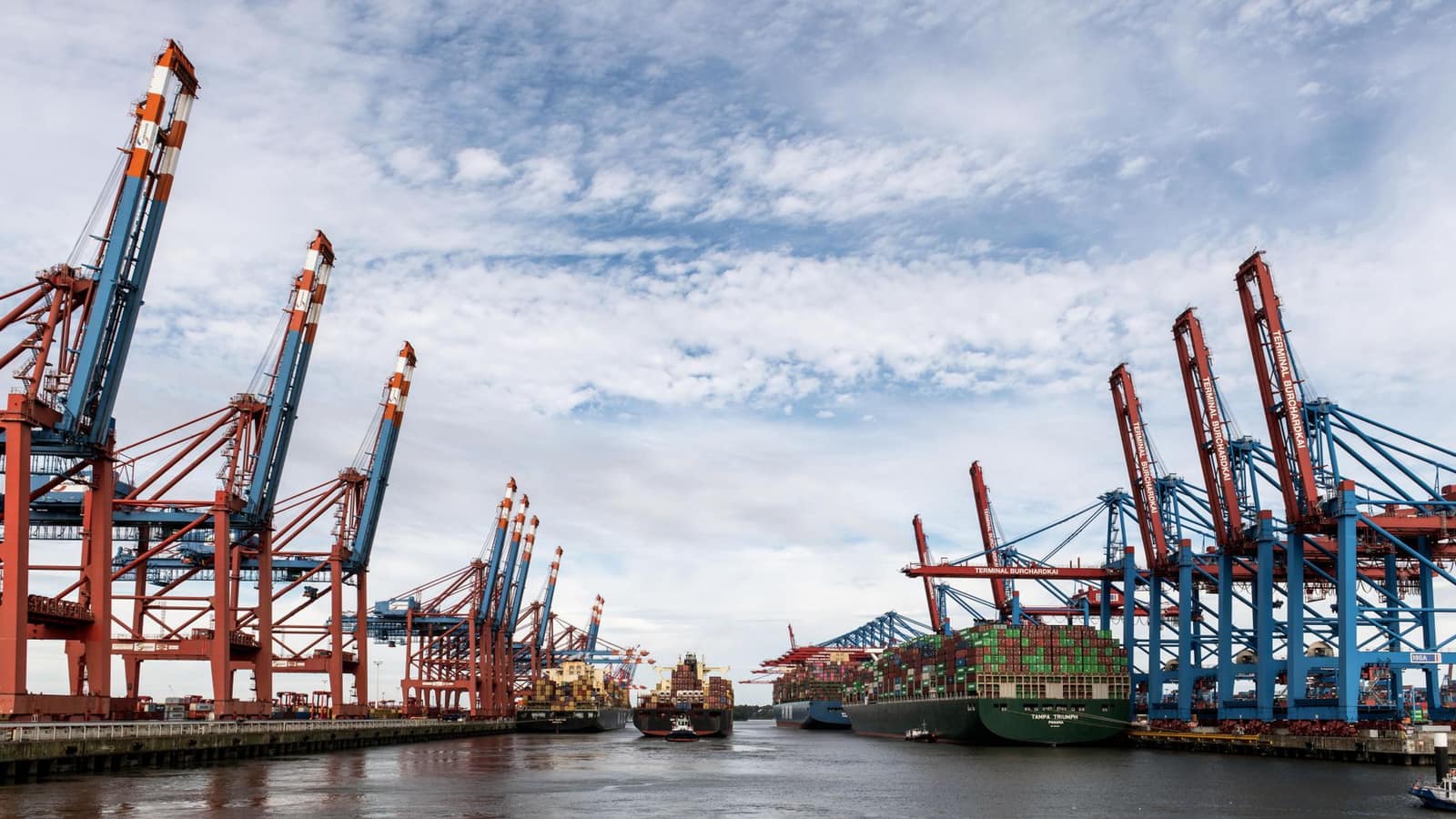 EURBerlinGermanyEurope's largest economy and India's biggest EU partner. Values quality, certificates and supply-chain transparency.From India 2025-26US$ 11.5 bn
 CETAGBPLondonUnited KingdomNew CETA in force since July 2026 — most Indian goods now enter duty-free. Strong market for garments, food and engineering.From India 2025-26US$ 13.4 bn
 EURMadridSpainGrowing EU buyer of Indian garments, seafood, chemicals and auto parts; Valencia and Algeciras are key ports.From India 2025-26US$ 6.96 bn
 EURParisFranceFashion, food and design market. EU rules plus French-language labels; SIAL Paris is a key food fair.From India 2025-26US$ 7.1 bn
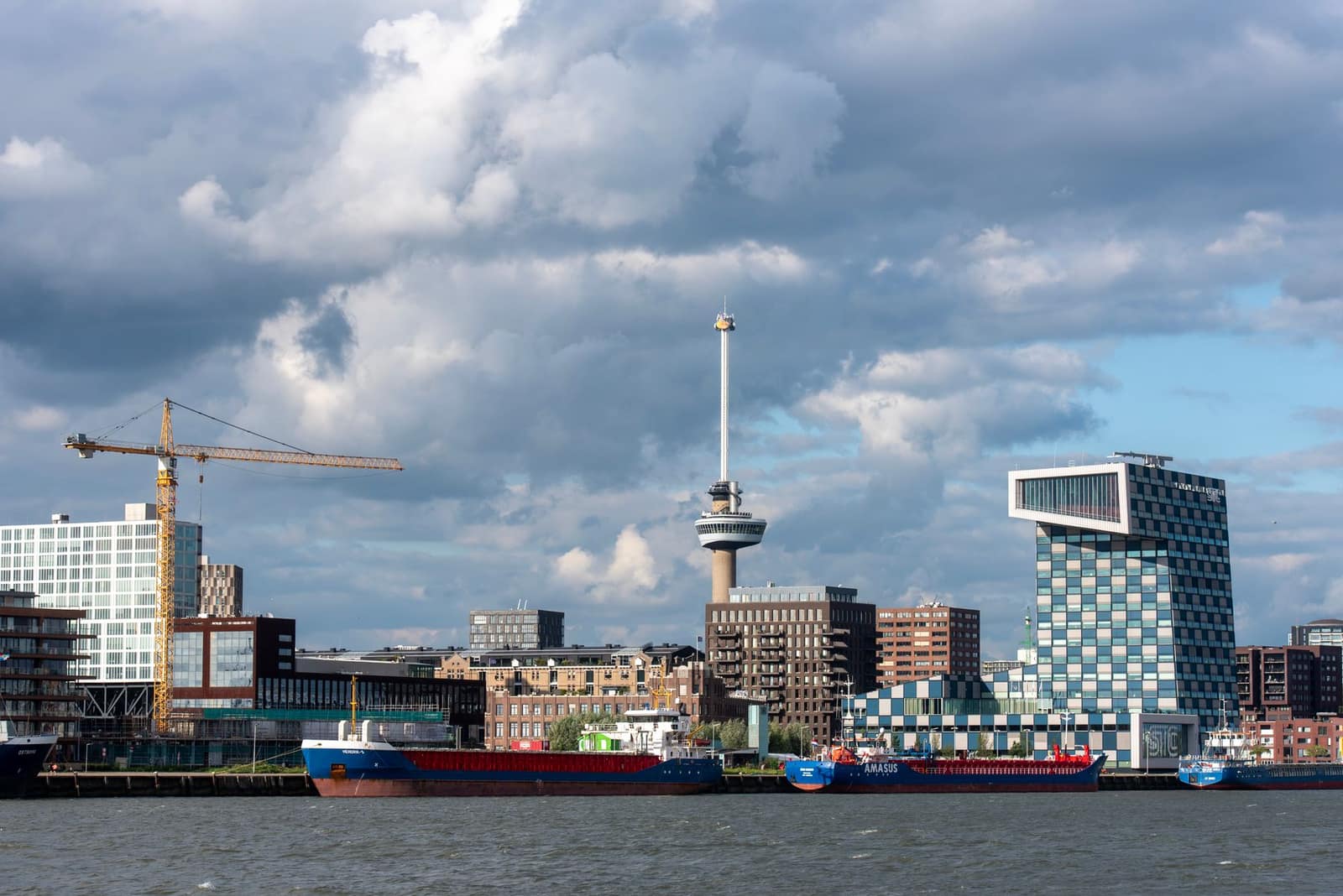 EURAmsterdamNetherlandsEurope's main gateway: Rotterdam handles goods for the whole EU. EU food-safety and residue rules apply.From India 2025-26US$ 17.5 bn
 EURRomeItalyManufacturing buyer of Indian leather, yarn, castings, chemicals and seafood. EU rules apply.From India 2025-26US$ 7.79 bn
