

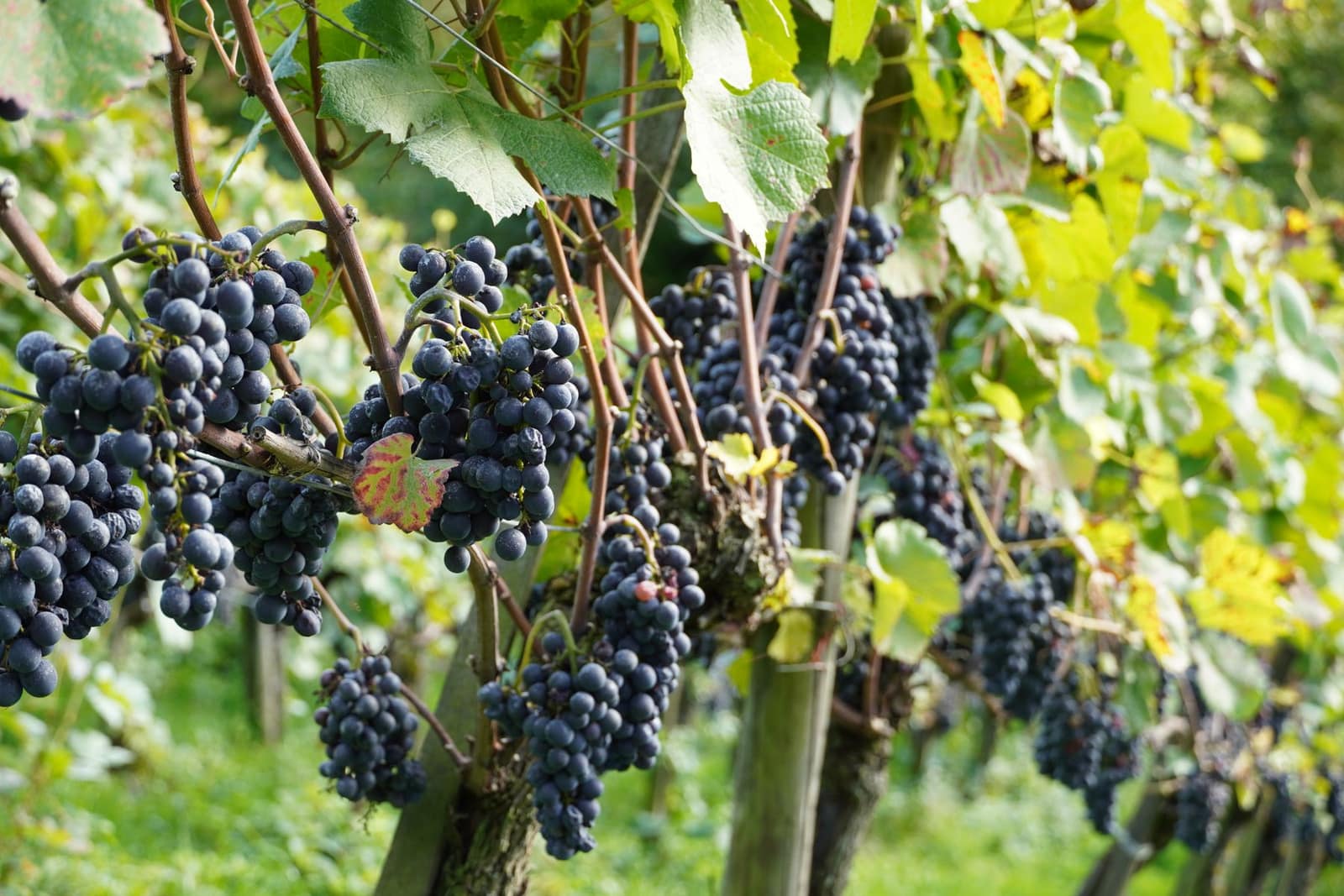
Farm produce
Export fresh grapes
Thompson Seedless and coloured grapes from Nashik and Sangli, mainly to Europe and Russia. EU lots must clear GrapeNet.
- HS code
- 0806.10 Fresh grapes. Raisins (dried grapes) are 0806.20.
- Export policy
- Free to export Free. For the EU, vineyards must be registered and lots cleared under APEDA’s GrapeNet Residue Monitoring Plan, with Agmark grading and a phytosanitary certificate issued through the system. Vietnam opened market access for Indian grapes in May 2026 (APEDA circular).
- Registrations
- 5 IEC, GST and those below
- India’s exports, 2025-26
- US$ 368 mn to 46 countries
What is exported
Maharashtra grows about 69% of India’s grapes and Karnataka about 25%. India exported 2.24 lakh tonnes worth US$ 368 million in 2025-26; the Netherlands, Russia, the UK, the UAE and Bangladesh were the top buyers. The season runs from January to April, with fruit sea-freighted in reefers after forced-air pre-cooling.
Varieties, grades and forms
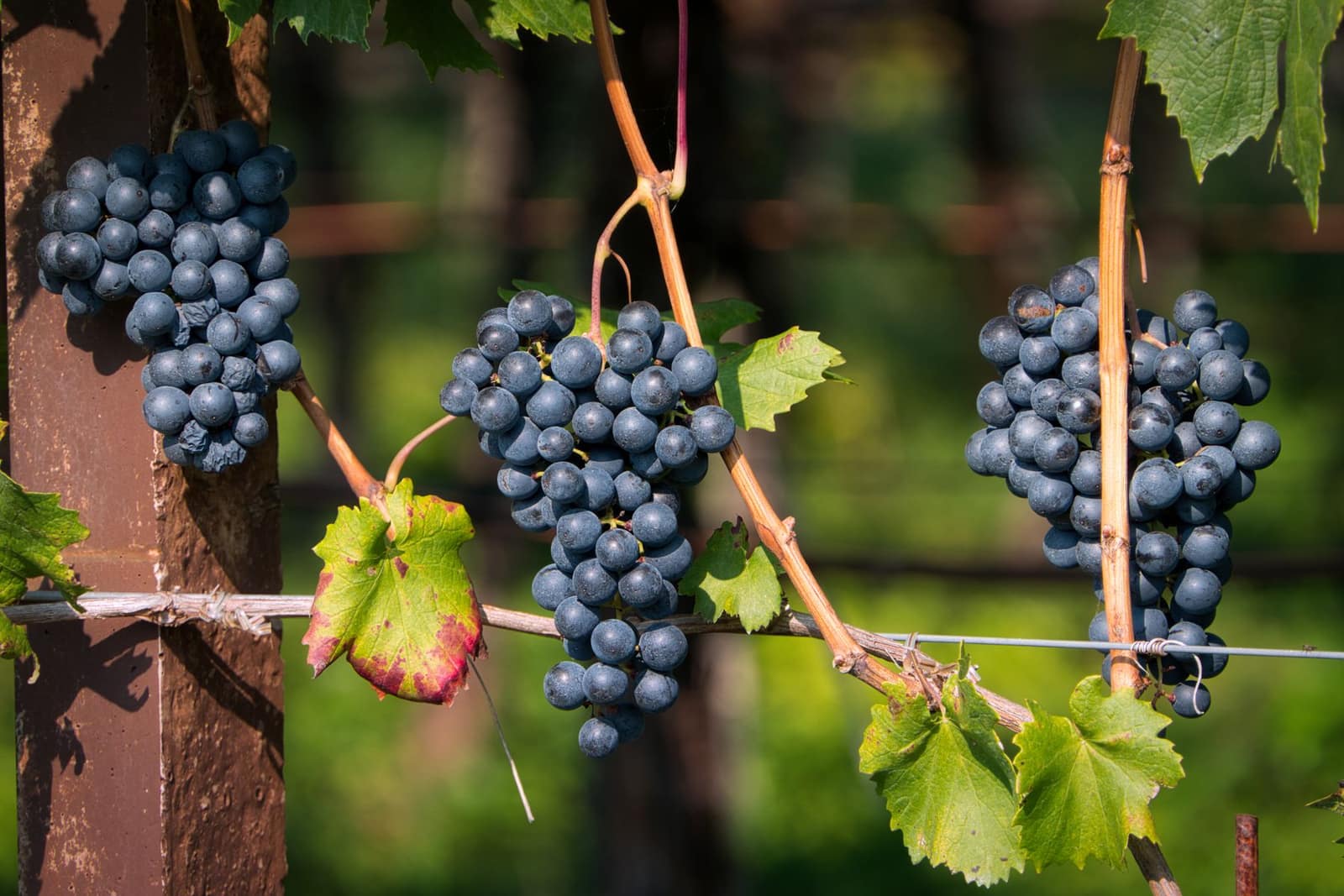
- Thompson Seedless and its clonesAbout 79% of grape area; the main green export grape for Europe.
- Tas-e-Ganesh and 2A CloneWhite seedless selections of Thompson, also exported.
- Sharad Seedless and other black seedlessColoured seedless grapes for the UK, Russia and Gulf.
- Bangalore BlueSeeded juice grape from Karnataka (GI).
- Raisins (0806 20)Sangli and Nashik dried grapes; Sangli Raisins is a GI.
Where it is grown or made
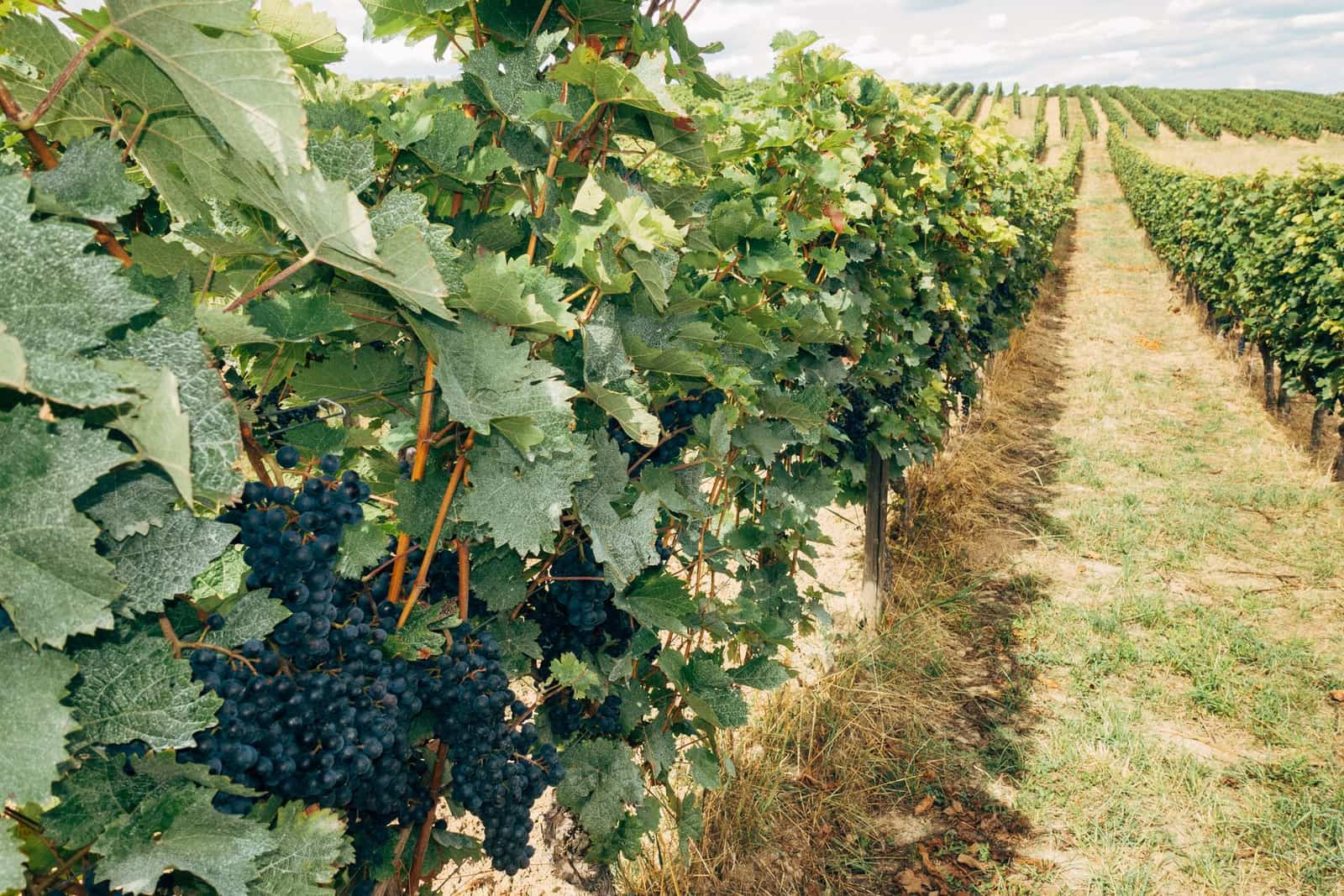
- MaharashtraOver 69% of output: Nashik (Nashik Grapes GI), Sangli, Solapur, Pune; GrapeNet-registered vineyards.
- KarnatakaAbout 25%: Vijayapura, Bagalkot, Belagavi; Bengaluru (Bangalore Blue).
The quality buyers ask for
- EU marketing standard
- Specific standard for table grapes in Regulation (EU) 2023/2429: classes, minimum bunch weight and minimum sugar (°Brix) levels
- Berry size
- Stated in mm by the buyer; larger berries fetch more
- Codex
- Codex table grape standard (CXS 255-2007)
- Residues
- Every EU lot sampled and tested under GrapeNet’s residue monitoring plan before the phytosanitary certificate is issued
- Condition
- Green stems, no shatter, rot, cracks or SO₂ bleaching
- AGMARK grading
- EU lots are AGMARK-graded under DMI’s instructions for grape exports
Certificates
- GrapeNet farm registrationRequiredVineyards supplying the EU must be registered on GrapeNet, with residue testing of each lot.
- APEDA RCMCRequiredRegistration with APEDA, issued as an RCMC on the DGFT portal. Since 15 Sep 2026, a consignment up to ₹3 lakh FOB can go without it.
- Phytosanitary certificateRequiredIssued by Plant Quarantine (DPPQS) for each consignment of plant produce, after inspection. Apply on PQMS.
- AGMARK grading (EU)RequiredGrading certificate for EU consignments under DMI’s grape export instructions.
- GLOBALG.A.P.Often askedFarm-level good agricultural practice certification. Most European supermarket buyers of fresh produce ask for it.
- BRCGS Food SafetyOften askedGFSI-recognised standard asked for by UK and many EU supermarkets for private-label packing.
- FSSAI licenceRequiredCentral licence from FSSAI for the premises where the food is packed or stored for export. Apply on FoSCoS.
Shipping, storage and shelf life
40-ft reefers, typically about 20 pallets of 4.5–5 kg cartons for Europe; larger cartons for the Gulf and Bangladesh.
Sea freight from Nhava Sheva (JNPT) to Rotterdam and other ports, typically 3–4 weeks; trucks to Bangladesh.
Pre-cool quickly after packing; keep typically at about –0.5 to 0 °C with 90–95% humidity and SO₂ pads in the cartons.
Typically 6–8 weeks in an unbroken cold chain.
What goes on the pack and carton
- Fresh produce cartons for the EU (marketing standards, Regulation 2023/2429): packer’s name and address, produce name and variety, country of origin, class, size code and net weight.
- GrapeNet lot number and the packhouse code on every carton, matching the phytosanitary certificate.
- Gulf countries: Arabic text (Arabic plus English is normal), production and expiry dates, net weight, country of origin and the importer’s details. Confirm the current rules with your importer.
- Lot or batch number on every pack and bag — FSSAI’s Labelling and Display Regulations, 2020 require it, and every importing country uses it to trace and recall.
GrapeNet sampling and residue testing are done only by APEDA-authorised laboratories; the current list is on apeda.gov.in → Quality → Recognised Organisations. Your packhouse usually arranges the lab.
Benefits of exporting this product
- RoDTEP refund on this line
Fresh grapes (0806 10 00): 3.8% of FOB, capped at ₹4.30 per kg. Raisins (0806 20 10, 0806 20 90): 2.4%, capped at ₹4.30 per kg. Rate as listed in Appendix 4R (w.e.f. 10 Oct 2024); DGFT Notification 41/2026-27 keeps the rates in force on 30 Sep 2026 unchanged until 31 Dec 2026. Check your exact 8-digit line on dgft.gov.in before you price.
DGFT — Appendix 4R, RoDTEP schedule for DTA exports w.e.f. 10 Oct 2024 (Notification No. 32, 30 Sep 2024) ↗ - Grape GIs
Nashik Grapes, Bangalore Blue Grapes and Sangli Raisins are registered GIs listed by APEDA.
APEDA — Catalogue on Agri and Food GI Products (APEDA scheduled) ↗ - APEDA support (Bharat Krishi Niryat Yojana)
APEDA’s financial assistance scheme for 2026-27 to 2030-31 helps registered exporters, FPOs and processors with packhouses, cold chain and treatment plants, lab testing and quality systems, and market development (trade fairs, trial shipments, brand registration, retail listing fees). Read the component conditions before you spend.
APEDA — Bharat Krishi Niryat Yojana 2026-27 to 2030-31, operational guidelines (6 Oct 2026) ↗
Where to register
- APEDARegistration-cum-Membership Certificate (RCMC) for APEDA-scheduled products. Apply on the DGFT portal after you have your IEC.dgft.gov.in ↗
- Plant Quarantine (DPPQS)Phytosanitary certificate for each consignment of plant produce, applied for online on PQMS. Some markets also need the farm, packhouse or mill to be registered with Plant Quarantine.pqms.cgg.gov.in ↗
- APEDA (GrapeNet)Vineyard registration by the State Horticulture Department, residue testing by an approved lab, and a Certificate of Agmark Grading — all on GrapeNet.apeda.gov.in ↗
Quality and checks
- Pesticide residues under the GrapeNet Residue Monitoring Plan, lot by lot, before export to the EU.
- Agmark grading for berry size, sugar and appearance.
- SO₂ pad use and cold-chain temperature (around 0 °C) to prevent decay during 3–4 weeks at sea.
Partner with a Nashik packhouse that already runs GrapeNet. Begin with the UAE or Bangladesh (no GrapeNet clearance needed), then add Europe once your growers’ farms are registered before pruning in October.
Where new exporters go wrong
- Registering farms too late — vineyards not on GrapeNet before the season cannot ship to the EU.
- Consignment sales to European importers with no minimum price; prices at arrival can fall below your cost.
Documents this product needs
Schemes that apply
Trade data
Indian fresh grapes exports in numbers
From the Department of Commerce’s TradeStat, country by country. US$, Indian financial years (April–March).
- Exports in 2025-26
- US$ 368 mn +3.2% a year on average, 2020-21 to 2025-26
- Change from 2024-25
- ↑ +3.9% US$ 354 mn → US$ 368 mn
- Buyer countries
- 46
- Average export price
- US$ 1.64 per kg · 2,24,401 tonnes shipped · US$ 1.30 the year before
The price cycle
India’s average export price per kg each year (total value ÷ total quantity). Highest in 2025-26, lowest in 2021-22 — a 41% swing between them. Keep this swing in mind when you quote.
What next: a projection from the trend
The past trend carried forward — not a forecast by any authority. Sudden changes in policy, prices or demand are not in it.
Likely range US$ 358 mn to US$ 487 mn.
- Trend
- +4.4% a year
- Fit (R²)
- 0.45 — weak, read with care
- Based on
- 6 years of official figures
Method: a straight line through the logarithm of yearly exports (log-linear regression); range = ±1 standard error.
Biggest buyer countries
By value in 2025-26. Change is against 2024-25.
Where demand is rising and falling
Only countries that buy at least US$ 1 million or 1% of India’s exports of this product. Change from 2024-25 to 2025-26.
↑ High demand
- NetherlandsUS$ 151 mn → US$ 178 mn↑+18.3%
- United KingdomUS$ 32.2 mn → US$ 35.8 mn↑+11%
↓ Low demand
New buyers: Countries that bought nothing from India in 2024-25 and did in 2025-26.
- Cambodia · US$ 990k
Which forms sell, and at what price
India’s exports by 8-digit tariff line, 2025-26. Average price = total value ÷ total quantity (TradeStat): the average of every shipment on that line, not the price of any one deal.
| Tariff line | Value 2025-26 | Change | Quantity | Average price |
|---|---|---|---|---|
Fruit, edible, grapes, fresh — grapes fresh0806 10 00 | US$ 368 mn | ↑+3.9% | 2,24,401 tonnes | US$ 1.64 per kgwas US$ 1.30 |
The world market
Each country’s own recorded exports and imports in UN Comtrade, 2023 (the latest year nearly every country has reported).
- World imports
- US$ 10.9 bn 2023
- India among exporters
- #11 of 107 countries
- India’s share of world exports
- 3.4% US$ 329 mn
- Left for others to win
- US$ 9.26 bn exported by other countries
Top exporters — your competitors
- 1PeruUS$ 1.77 bn 18.4%
- 2ChileUS$ 923 mn 9.6%
- 3ItalyUS$ 876 mn 9.1%
- 4NetherlandsUS$ 818 mn 8.5%
- 5ChinaUS$ 814 mn 8.5%
- 6USAUS$ 768 mn 8%
- 7South AfricaUS$ 598 mn 6.2%
- 8MexicoUS$ 379 mn 3.9%
- 9AustraliaUS$ 369 mn 3.8%
- 10SpainUS$ 355 mn 3.7%
Biggest buyers in the world
- 1USAUS$ 2.72 bn 25%
- 2GermanyUS$ 962 mn 8.8%
- 3NetherlandsUS$ 759 mn 7%
- 4United KingdomUS$ 662 mn 6.1%
- 5CanadaUS$ 552 mn 5.1%
- 6ChinaUS$ 485 mn 4.4%
- 7IndonesiaUS$ 400 mn 3.7%
- 8China, Hong Kong SARUS$ 307 mn 2.8%
- 9ThailandUS$ 281 mn 2.6%
- 10FranceUS$ 277 mn 2.5%
Opportunity: what these countries buy from the world, and from India
Each country’s own recorded imports in UN Comtrade, latest year it has reported. The long light part of each bar is demand other countries are filling today.
TradeStat’s 2023-24 quantities are double-counted, so that year is left out of the price. Sources: TradeStat — Export Import Data Bank, Department of Commerce · UN Comtrade database (United Nations Statistics Division) · Figures taken 29 October 2026.
Step by step
How to export fresh grapes
India is a major table-grape exporter, with most export grapes grown in Maharashtra (APEDA puts the state at over two-thirds of production). India harvests between the southern-hemisphere season (Chile, Peru, South Africa) and the northern one (Italy, Spain, Egypt, Turkey), which gives it a February–April window in Europe. The Netherlands, the UK, Russia, the Gulf and Bangladesh are the main buyers. The openings are new seedless and coloured varieties that buyers ask for, and new markets opened by protocol.
- 01Register vineyards on GrapeNet
Registration opens months before harvest. Growers follow the approved spray list and pre-harvest intervals.
- 02Contract a packhouse and buyer
Agree varieties, berry size, cartons, weekly volumes and price basis (fixed or consignment) before the season.
- 03Pre-harvest residue test
An APEDA-authorised lab samples the plot; only cleared lots can be packed for Europe.
- 04Harvest, pack and pre-cool
Harvest in the cool of the morning, pack with SO₂ pads, pre-cool and hold in cold store.
- 05Grade and certify
AGMARK grading and the phytosanitary certificate are issued through GrapeNet.
- 06Ship in reefers
Load pre-cooled pallets into pre-cooled reefers and record temperatures throughout.
- 07Get paid and close the file
Send the original documents through your bank (or to the buyer if paid in advance). Once the money arrives, get the e-BRC and claim RoDTEP and drawback where they apply.
Questions
Questions about exporting fresh grapes
When is the export season?
Can a trader without vineyards export to Europe?
What is a consignment sale?
Why do grapes arrive with loose berries?
Which varieties do buyers want?
Sources (6)
- APEDA — Grapes profile
- APEDA — HortiNet traceability (GrapeNet, AnarNet, MangoNet, VegNet)
- EU — Delegated Regulation (EU) 2023/2429, marketing standards for fruit and vegetables
- Codex Alimentarius — list of standards
- Directorate of Marketing & Inspection — AGMARK grade standards (commodity-wise rules)
- APEDA — Recognised organisations (list of recognised laboratories, FSMS bodies)
Who buys Indian fresh grapes
All countries → EURAmsterdamNetherlandsEurope's main gateway: Rotterdam handles goods for the whole EU. EU food-safety and residue rules apply.From India 2025-26US$ 17.5 bn
 RUBMoscowRussiaGrowing buyer of Indian food, medicines and machinery. Payments need care because of sanctions; EAC certification applies.From India 2025-26US$ 4.49 bn
 CETAGBPLondonUnited KingdomNew CETA in force since July 2026 — most Indian goods now enter duty-free. Strong market for garments, food and engineering.From India 2025-26US$ 13.4 bn
 CEPAAEDAbu DhabiUnited Arab EmiratesIndia's biggest Gulf buyer and a re-export hub for the Middle East and Africa. CEPA in force since 2022.From India 2025-26US$ 37.4 bn
 SAFTABDTDhakaBangladeshBig neighbour market for cotton, yarn, food and machinery. Mostly LC-based; land and sea routes.From India 2025-26US$ 10.6 bn
More in farm produce
All products → Free, with conditionsFarm produceBasmati riceIndia’s top agri export by value. Free to export, but every contract must be registered with APEDA first.HS1006.30Exports 2025-26US$ 5.67 bn ↓4.6%
 Free, with conditionsFarm produceNon-basmati riceHigh-volume staple sold mainly to Africa and Bangladesh. Export reopened in 2024–25, but contracts must now be registered with APEDA.HS1006.30Exports 2025-26US$ 5.86 bn ↓10.2%
 Free to exportFarm produceSpicesWhole, ground and blended spices. Spices Board registration (CRES) is compulsory; residue and ethylene oxide tests keep buyers.HS0904–0910Exports 2025-26US$ 3.12 bn ↓5.1%
 Free to exportFarm produceChilliIndia’s largest spice export by volume. Dried red chilli goes to China, Thailand and Bangladesh; aflatoxin is the key test.HS0904.21Exports 2025-26US$ 1.1 bn ↓12.9%