


Handicrafts
Export handicrafts (cane, bamboo, jute and natural fibre)
Baskets, storage, lamps and décor from cane, bamboo and grasses, sold to home-décor importers.
- HS code
- 4602 Basketwork, wickerwork and other articles made from plaiting materials such as cane, bamboo, palm leaf, seagrass and water hyacinth. Other crafts sit in their material chapters (metal, wood, stone, glass).
- Export policy
- Free to export Free to export. Crafts made from wild or protected plants or animal parts can be prohibited — check the ITC(HS) policy conditions for your material.
- Registrations
- 4 IEC, GST and those below
- India’s exports, 2025-26
- US$ 23.3 mn to 55 countries
What is exported
Natural-fibre crafts come from clusters in the North-East, West Bengal, Odisha, Kerala and elsewhere. Buyers are home-décor importers, gift shops and online retailers who want consistent sizes and safe packing. Exports under HS 4602 were about US$ 23 million in 2025-26, led by the USA, Germany, the UK and the Netherlands.
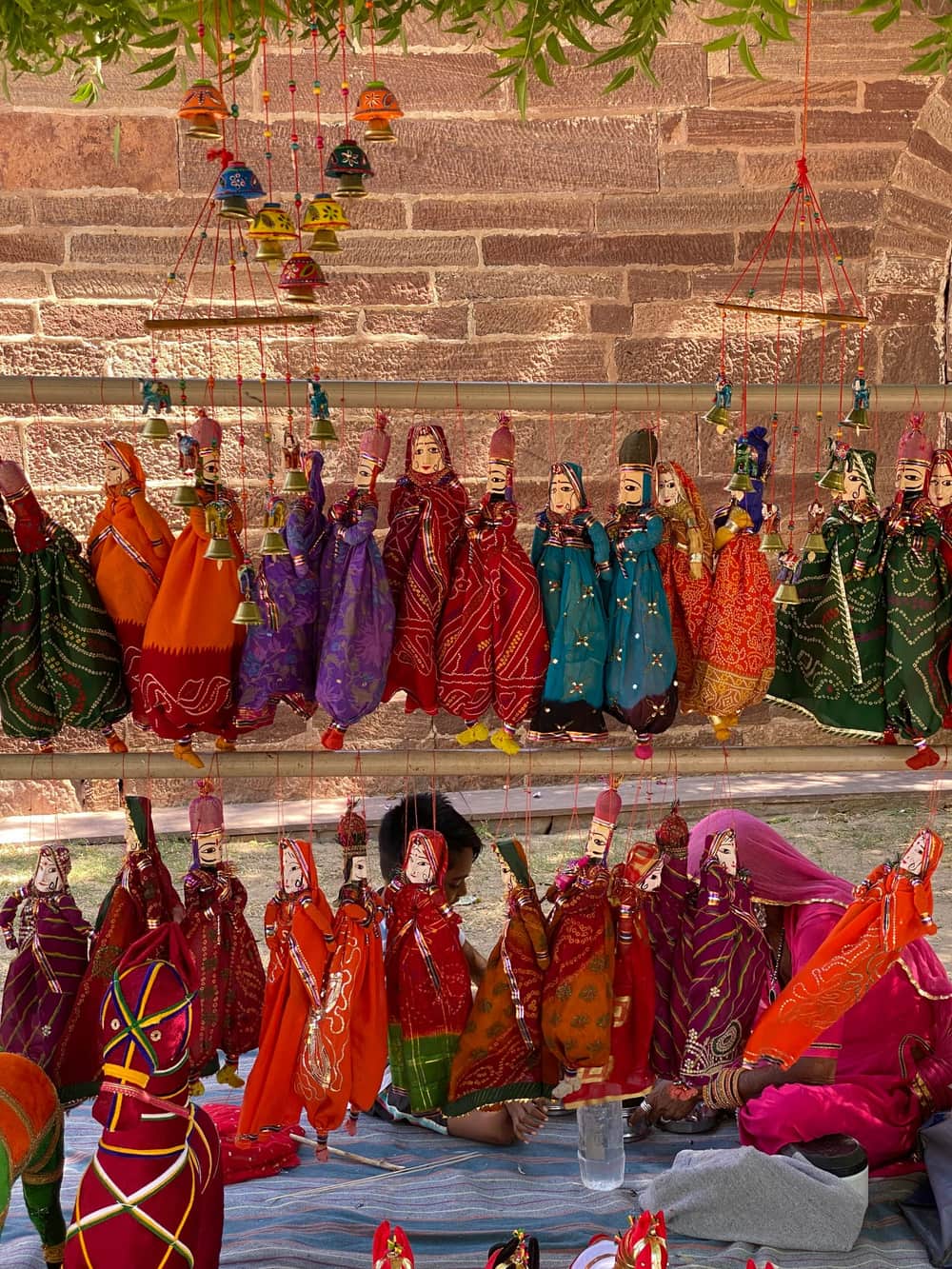

Varieties, grades and forms
- Cane and bamboo baskets and furnitureFrom Assam, Tripura and Bareilly; buyers check for mould and pests.
- Jute bags, baskets and décorShopping bags, storage baskets and rugs, mainly from West Bengal.
- Grass, palm-leaf and sikki productsMadur mats from West Bengal, sikki grass craft from Bihar, palm-leaf boxes from Tamil Nadu and Odisha.
- Seagrass, water-hyacinth and kauna basketsStorage and laundry baskets for home-decor chains.
Where it is grown or made
- Assam and TripuraBarpeta, Guwahati and Agartala — cane and bamboo
- West BengalKolkata–Howrah (jute products), Paschim Medinipur (madur mats)
- Uttar PradeshBareilly — cane and bamboo furniture
- BiharMadhubani and Sitamarhi — sikki grass products
- ManipurImphal — kauna (water reed) baskets and mats
The quality buyers ask for
- Dimensions and weight
- Size and weight per piece within the tolerance on the approved sample
- Finish and coating
- Paints and lacquers free of lead (US: 90 ppm limit for paint on consumer products, 16 CFR 1303) and of restricted heavy metals
- Food contact (if used for food)
- Migration tests under EU Regulation (EC) 1935/2004 and the specific material rules, or US FDA rules
- Drop and transit test
- Packed carton drop test (often ISTA 1A or 2A) to prove the product survives shipping
- Moisture (for wood, cane, jute)
- Low moisture content to prevent mould in transit; buyers set a maximum
- Electrical items (lamps)
- CE (LVD) for Europe and UL listing for the USA if the product has wiring
Certificates
- Social compliance audit (amfori BSCI or SMETA)Often askedChain stores and large importers require it of the exporter and key workshops.
- Fumigation / ISPM-15RequiredWooden packing must be heat-treated and stamped under ISPM-15; natural-fibre goods often need fumigation.
- FSC / VRIKSHOften askedTimber legality or chain-of-custody proof for wooden items; EPCH runs the VRIKSH timber legality programme.
- Craftmark / GIOften askedMarks of authentic Indian craft or a registered GI (e.g. Moradabad metal craft, Channapatna toys).
- Fair-trade (WFTO)Often askedFor ethical-retail buyers.
- Artisan card (Development Commissioner Handicrafts)Often askedRegistration of artisans; needed for some government support schemes.
Shipping, storage and shelf life
Mostly LCL or mixed 40-ft containers consolidated by the buyer's forwarder; goods are packed in 5-ply cartons with inner boxes, foam or paper fill. Bulky items fill a container by volume long before weight.
Sea for orders; air or courier for samples and small online-seller lots.
Keep natural materials dry; add silica gel and do not pack wood or cane while damp.
What goes on the pack and carton
- Country of origin on the product or its packaging ('Made in India'); US Customs requires origin marking on most imports.
- Warnings where needed: 'not for food use' on decorative items with paints, small-parts warnings on decorative items that look like toys.
- Carton marks with item number, quantity, gross/net weight and carton dimensions.
- CE marking only for products that fall under a CE directive (for example lamps); never on plain décor.
Search the NABL directory for labs accredited for heavy metals in paints and coatings, food-contact migration, or electrical safety, depending on your product. EPCH can point members to testing and design support in its clusters. Buyers often name an international test house; most have NABL-accredited labs in Delhi NCR and Mumbai.
Benefits of exporting this product
- RoDTEP: 1.3% of FOB
Tariff item 4602 19 11 (baskets of vegetable plaiting materials) earns 1.3% of FOB value, with no rupee cap, as a duty credit scrip on ICEGATE. All HS 4602 lines carry 1.3% with no cap. These rates continue to 31 Dec 2026 (DGFT Notification 41/2026-27). Confirm your exact 8-digit line on the DGFT RoDTEP page before you price an order.
DGFT — Appendix 4R, RoDTEP schedule for DTA exports w.e.f. 10.10.2024 (Notification 32/2024-25); rates continued to 31.12.2026 by Notification 41/2026-27 ↗ - Duty drawback: 1.2% of FOB
Drawback item 4602 (basketwork, wickerwork and other articles of plaiting materials) has an All Industry Rate of 1.2% of FOB, paid into your bank account. It is not available on exports under Advance Authorisation or from EOU/SEZ units. Check the current schedule on the CBIC drawback page before shipping.
Gazette of India — Notification 77/2023-Customs (N.T.) dated 20.10.2023: All Industry Rates of duty drawback, in force from 30.10.2023 ↗ - Registered GI tags
Bareilly Cane & Bamboo, Madur Kathi (West Bengal) and Sikki Grass Products of Bihar are registered Geographical Indications. Only registered producers and authorised users may sell under these names, which helps genuine makers stand out and fetch a better price.
IP India (Geographical Indications Registry) — Registration details of Geographical Indications ↗
Where to register
- EPCH (Export Promotion Council for Handicrafts)RCMC for handicrafts, including jute handicrafts and miscellaneous handicrafts.epch.in ↗
- Development Commissioner (Handicrafts) — artisan registrationArtisans can register for an identity card that links them to government craft schemes; useful when you buy from artisan groups.handicrafts.nic.in ↗
Quality and checks
- Plant-based crafts must be free of insects, mould and bark. Australia and New Zealand inspect them closely and may require treatment certificates — check the import conditions before shipping.
- EU: consumer goods must meet the General Product Safety Regulation, with an EU-based responsible person and traceability details on the product or packaging.
- Wooden pallets or crates must be ISPM-15 treated and marked.
Choose one craft and one cluster, and fix sizes, finishes and packing with the artisans. Join EPCH, exhibit at the IHGF Delhi Fair or an EPCH-led fair, and begin with mixed-item consolidated shipments (LCL) to small importers.
Where new exporters go wrong
- Mould in transit: green or damp cane and bamboo grow fungus at sea. Dry and treat the goods and pack with moisture absorbers.
- Goods held at destination for pests or bark, with costly re-treatment or destruction.
- Each hand-made piece differs. Agree acceptable variation with the buyer in writing.
Documents this product needs
Schemes that apply
- RoDTEP Remission of Duties and Taxes on Exported Products
- Drawback Duty Drawback (All Industry Rates)
- MAI / MAS Market Access Initiative (now Market Access Support under EPM)
- ECGC ECGC export credit insurance for small exporters
- LUT Letter of Undertaking for zero-rated exports under GST
- Districts as Export Hubs Districts as Export Hubs
- EPM Export Promotion Mission (Niryat Protsahan and Niryat Disha)
Sources (7)
- Department of Commerce, Export Import Data Bank — India's exports of HS 4602 by country, 2025-26
- DGFT — Appendix 2T: Export Promotion Councils and the products under each
- DGFT — ITC(HS) export policy search (Schedule 2)
- EUR-Lex — General Product Safety Regulation (EU) 2023/988, summary
- IPPC — ISPM 15: Regulation of wood packaging material in international trade
- Australian Government — BICON import conditions database
- EPCH — official site
Trade data
Indian handicrafts (cane, bamboo, jute and natural fibre) exports in numbers
From the Department of Commerce’s TradeStat, country by country. US$, Indian financial years (April–March).
- Exports in 2025-26
- US$ 23.3 mn +9.4% a year on average, 2020-21 to 2025-26
- Change from 2024-25
- ↓ -20.7% US$ 29.4 mn → US$ 23.3 mn
- Buyer countries
- 55
- Average export price
- US$ 3.62 per kg · 6,432 tonnes shipped · US$ 3.48 the year before
The price cycle
India’s average export price per kg each year (total value ÷ total quantity). Highest in 2020-21, lowest in 2024-25 — a 13% swing between them. Keep this swing in mind when you quote.
What next: a projection from the trend
The past trend carried forward — not a forecast by any authority. Sudden changes in policy, prices or demand are not in it.
Likely range US$ 25.6 mn to US$ 49.8 mn.
- Trend
- +9.5% a year
- Fit (R²)
- 0.43 — weak, read with care
- Based on
- 6 years of official figures
Method: a straight line through the logarithm of yearly exports (log-linear regression); range = ±1 standard error.
Biggest buyer countries
By value in 2025-26. Change is against 2024-25.
Where demand is rising and falling
Only countries that buy at least US$ 1 million or 1% of India’s exports of this product. Change from 2024-25 to 2025-26.
↑ High demand
- GermanyUS$ 3.3 mn → US$ 3.6 mn↑+10.7%
↓ Low demand
- United States of AmericaUS$ 12.1 mn → US$ 7.2 mn↓-40.2%
- NetherlandsUS$ 2 mn → US$ 1.3 mn↓-35.8%
- SpainUS$ 1.4 mn → US$ 920k↓-35.7%
- IsraelUS$ 2.3 mn → US$ 1.8 mn↓-23.9%
- United KingdomUS$ 2.2 mn → US$ 1.8 mn↓-15.7%
Which forms sell, and at what price
India’s exports by 8-digit tariff line, 2025-26. Average price = total value ÷ total quantity (TradeStat): the average of every shipment on that line, not the price of any one deal.
| Tariff line | Value 2025-26 | Change | Quantity | Average price |
|---|---|---|---|---|
Others-of-others-of-basket/wicker work and other articls made to shape from plaitng materls or from goodsof hdng 4601 articles of4602 19 90 · Basketwork, wickerwork and other articles, of vegetable materials, made directly to shape from plaiting… | US$ 11.1 mn | ↓-22.5% | 2,967 tonnes | US$ 3.74 per kgwas US$ 3.45 |
Palm leaf items other then baskets4602 19 19 · Basketwork, wickerwork and other articles, of vegetable materials, made directly to shape from plaiting… | US$ 9 mn | ↓-27.3% | 3,226 tonnes | US$ 2.80 per kgwas US$ 3.08 |
Basketwork, wickerwork and other articles, of vegetable materials, made directly to shape from plaiting… — palm leaf basket etc..4602 19 11 | US$ 1.4 mn | ↑+19.5% | 119 tonnes | US$ 11.81 per kgwas US$ 11.06 |
Others-of-others-of-basket/wicker work and other articls made to shape from plaitng materls or from goodsof hdng 4601 articles of4602 90 00 · Basketwork, wickerwork and other articles, of non-vegetable materials, made directly to shape from plaiting… | US$ 1.1 mn | ↑+51.4% | 91 tonnes | US$ 11.64 per kgwas US$ 17.77 |
Basketwork, wickerwork and other articles, of rattan, made directly to shape from plaiting materials or… — of rattan4602 12 00 | US$ 450k | ↑+4.7% | 16 tonnes | US$ 28.67 per kgwas US$ 16.41 |
Basketwork, wickerwork and other articles, of bamboo, made directly to shape from plaiting materials or… — of bamboo4602 11 00 | US$ 230k | ↓-28.1% | 13 tonnes | US$ 17.93 per kgwas US$ 3.43 |
The world market
Each country’s own recorded exports and imports in UN Comtrade, 2023 (the latest year nearly every country has reported).
- World imports
- US$ 1.82 bn 2023
- India among exporters
- #14 of 143 countries
- India’s share of world exports
- 1.2% US$ 28.9 mn
- Left for others to win
- US$ 2.34 bn exported by other countries
Top exporters — your competitors
- 1ChinaUS$ 1.25 bn 52.7%
- 2Viet NamUS$ 308 mn 13%
- 3IndonesiaUS$ 81.6 mn 3.5%
- 4NetherlandsUS$ 75.6 mn 3.2%
- 5SpainUS$ 61.6 mn 2.6%
- 6United Arab EmiratesUS$ 56.2 mn 2.4%
- 7GermanyUS$ 55.1 mn 2.3%
- 8PolandUS$ 52.9 mn 2.2%
- 9FranceUS$ 48.7 mn 2.1%
- 10CanadaUS$ 43.6 mn 1.8%
Biggest buyers in the world
- 1USAUS$ 585 mn 32.2%
- 2GermanyUS$ 131 mn 7.2%
- 3FranceUS$ 112 mn 6.2%
- 4JapanUS$ 99.8 mn 5.5%
- 5United KingdomUS$ 82.9 mn 4.6%
- 6SpainUS$ 73.4 mn 4%
- 7NetherlandsUS$ 67.3 mn 3.7%
- 8ItalyUS$ 62.6 mn 3.4%
- 9United Arab EmiratesUS$ 46.4 mn 2.6%
- 10PolandUS$ 38.2 mn 2.1%
Opportunity: what these countries buy from the world, and from India
Each country’s own recorded imports in UN Comtrade, latest year it has reported. The long light part of each bar is demand other countries are filling today.
TradeStat’s 2023-24 quantities are double-counted, so that year is left out of the price. Sources: TradeStat — Export Import Data Bank, Department of Commerce · UN Comtrade database (United Nations Statistics Division) · Figures taken 29 October 2026.
Step by step
How to export handicrafts (cane, bamboo, jute and natural fibre)
India is a major supplier of hand-made gifts and décor, alongside China, Vietnam, Indonesia, the Philippines and Thailand. China leads on price and volume; India's edge is the range of materials and crafts — metal, wood, textiles, stone, glass and painting — and the ability to take small, custom orders. Demand comes from importers, chain stores, online sellers and gift shops in the USA and Europe, and depends on seasons such as Christmas. Openings are in sustainable and natural-material products, festive décor, and design-led collections for independent retailers.
- 01Build a collection
Pick a craft and material you can control, and design 20–40 items with clear prices and minimums.
- 02Meet buyers at fairs
Show at IHGF Delhi Fair through EPCH, then at an overseas fair when you have repeat customers.
- 03Approve samples
Send counter-samples; get written approval on finish, size and packing.
- 04Test where needed
Lead-in-paint, food-contact or electrical tests, as the product and market require.
- 05Produce with artisans
Give clear specifications, pay advances on time and inspect inline.
- 06Pack, fumigate and ship
Drop-test the cartons, fumigate if required, and file the shipping bill.
- 07Payment
Take an advance (often 30–50% with new buyers) and the balance against documents.
Meet buyers
Trade fairs
- Twice a year: spring (next: 15–19 March 2027) and autumn (October)IHGF Delhi Fair (EPCH)Greater Noida, Indiaihgfdelhifair.in ↗
- February, every year — check datesAmbienteFrankfurt, Germanyambiente.messefrankfurt.com ↗
- January and September — check datesMaison&ObjetParis, Francemaison-objet.com ↗
- Late January to early February (next: 29 January–2 February 2027)ChristmasworldFrankfurt, Germanychristmasworld.messefrankfurt.com ↗
- Usually April — check datesHong Kong Gifts & Premium Fair (HKTDC)Hong Konghktdc.com ↗
Questions
Questions about exporting handicrafts (cane, bamboo, jute and natural fibre)
Do I need a test report for every item?
How do I set a minimum order?
When should I show at a fair for Christmas goods?
Is CE marking needed for décor?
What is VRIKSH?
Sources (6)
- EPCH (Export Promotion Council for Handicrafts) — official site
- eCFR — 16 CFR Part 1303, Ban of lead-containing paint and certain consumer products bearing it
- European Commission — Food contact materials
- IPPC — ISPM 15, Regulation of wood packaging material in international trade
- European Commission — CE marking
- NABL — search for accredited testing laboratories
Who buys Indian handicrafts (cane, bamboo, jute and natural fibre)
All countries → USDWashington, D.C.United States of AmericaIndia's largest single-country export market. Strict FDA rules for food; extra 10% US duty on most goods since July 2026.From India 2025-26US$ 87.3 bn
 EURBerlinGermanyEurope's largest economy and India's biggest EU partner. Values quality, certificates and supply-chain transparency.From India 2025-26US$ 11.5 bn
 CETAGBPLondonUnited KingdomNew CETA in force since July 2026 — most Indian goods now enter duty-free. Strong market for garments, food and engineering.From India 2025-26US$ 13.4 bn
 EURAmsterdamNetherlandsEurope's main gateway: Rotterdam handles goods for the whole EU. EU food-safety and residue rules apply.From India 2025-26US$ 17.5 bn
 EURParisFranceFashion, food and design market. EU rules plus French-language labels; SIAL Paris is a key food fair.From India 2025-26US$ 7.1 bn
 EURMadridSpainGrowing EU buyer of Indian garments, seafood, chemicals and auto parts; Valencia and Algeciras are key ports.From India 2025-26US$ 6.96 bn
 ECTAAUDCanberraAustraliaZero duty on all Indian goods since Jan 2026 — but some of the world's strictest biosecurity rules.From India 2025-26US$ 7.28 bn
 CADOttawaCanadaLarge Indian diaspora market. Importer needs a CFIA licence for food; labels in English and French.From India 2025-26US$ 4.67 bn
More in handicrafts
All products → Free to exportHandicraftsBrass and art metalwareMoradabad-style brass décor, lamps, bells and tableware for gift and home-décor buyers.HS8306Exports 2025-26US$ 36.4 mn ↑11.4%
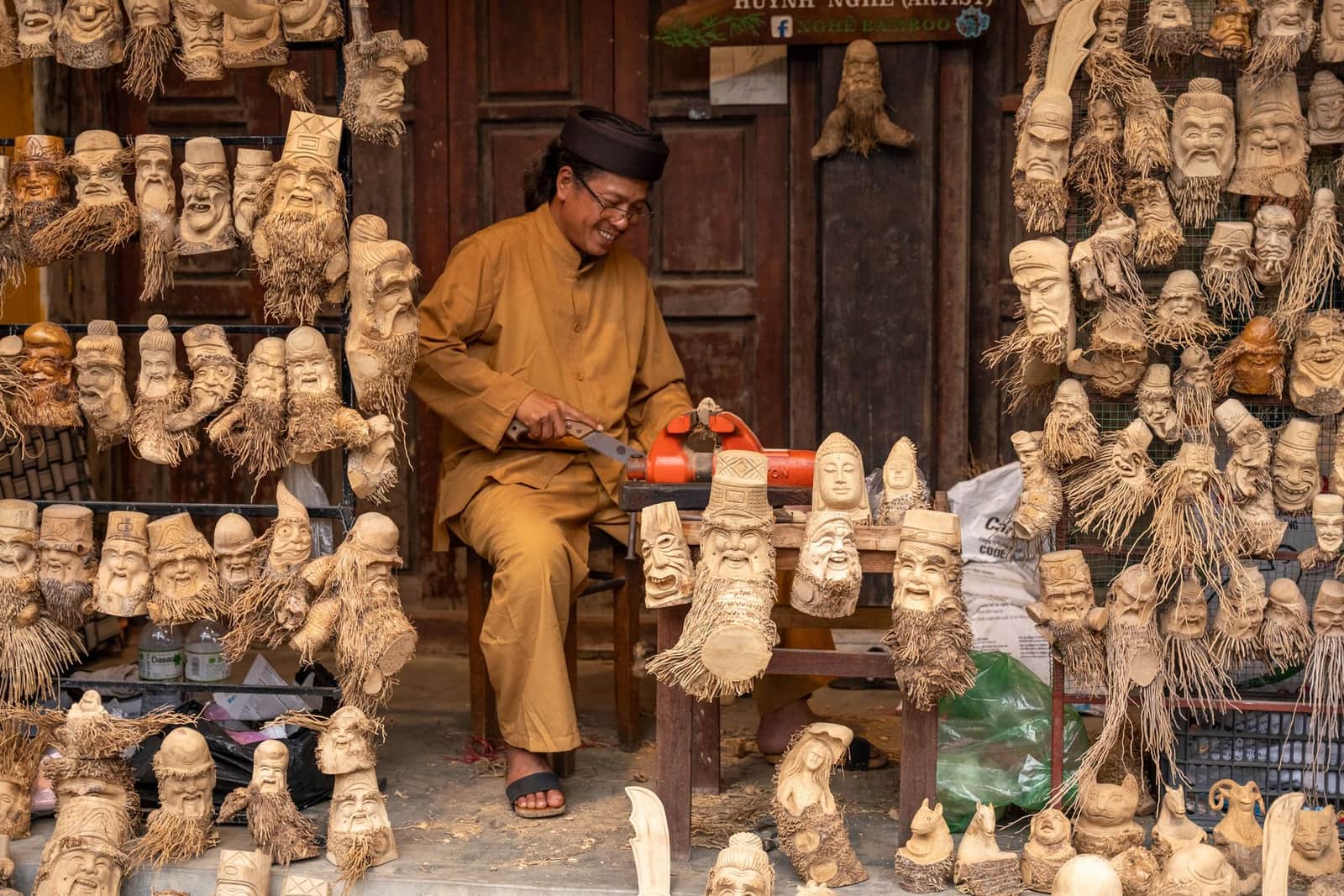 Free, with conditionsHandicraftsWooden handicraftsCarved, inlaid and turned wooden décor, boxes and kitchenware from Saharanpur, Jodhpur and Channapatna.HS4420Exports 2025-26US$ 11.5 mn ↓9%
 Free to exportHandicraftsIncense sticks (agarbatti) and dhoopMasala and dipped incense sticks, cones and dhoop for the USA, the Gulf, Africa and Latin America.HS3307.41Exports 2025-26US$ 151 mn ↓0.4%
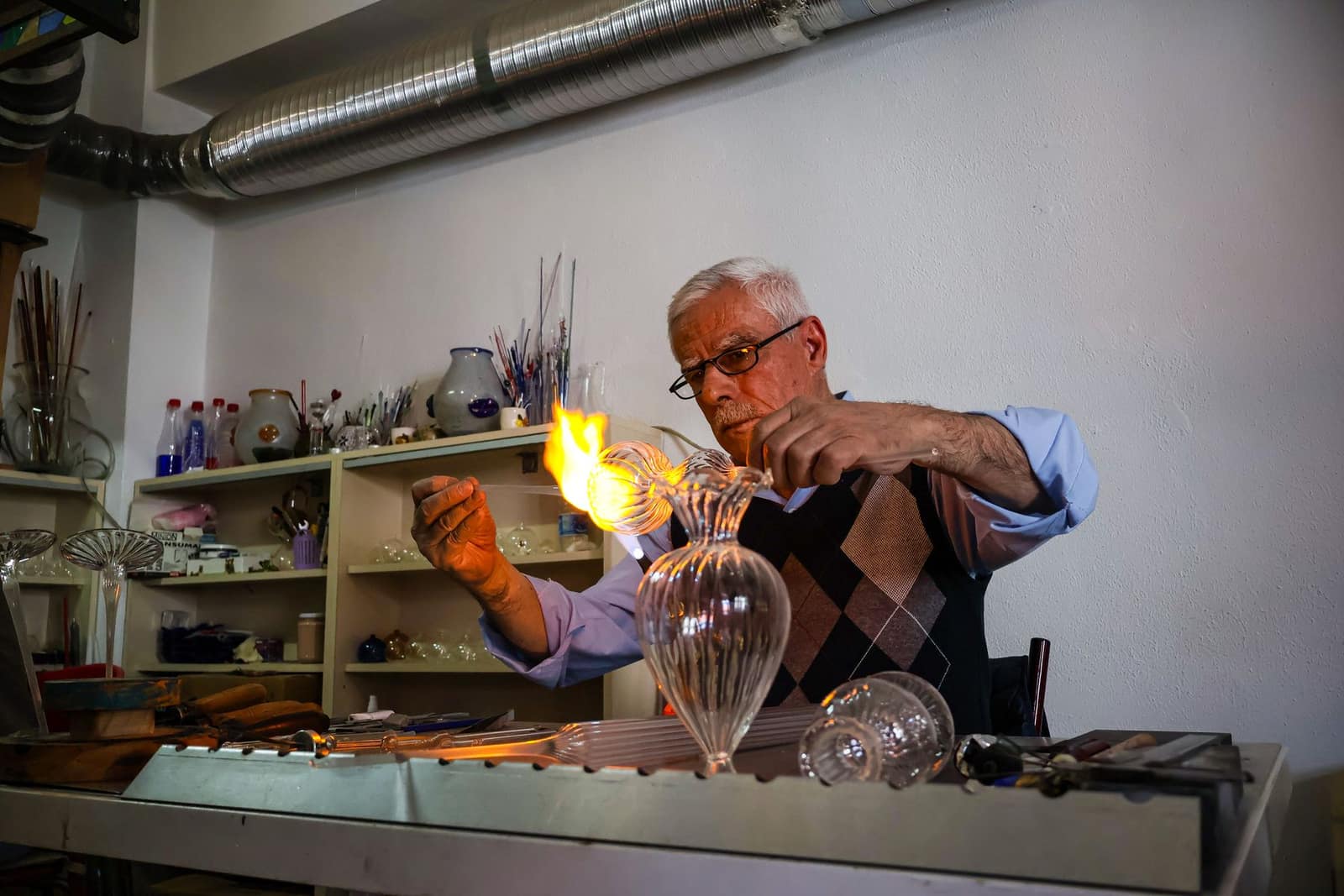 Free to exportHandicraftsGlasswareTumblers, tableware and decorative glass from Firozabad and other centres; UAE and USA lead.HS7013Exports 2025-26US$ 55.9 mn ↑47.1%