


Processed food
Export makhana (fox nut)
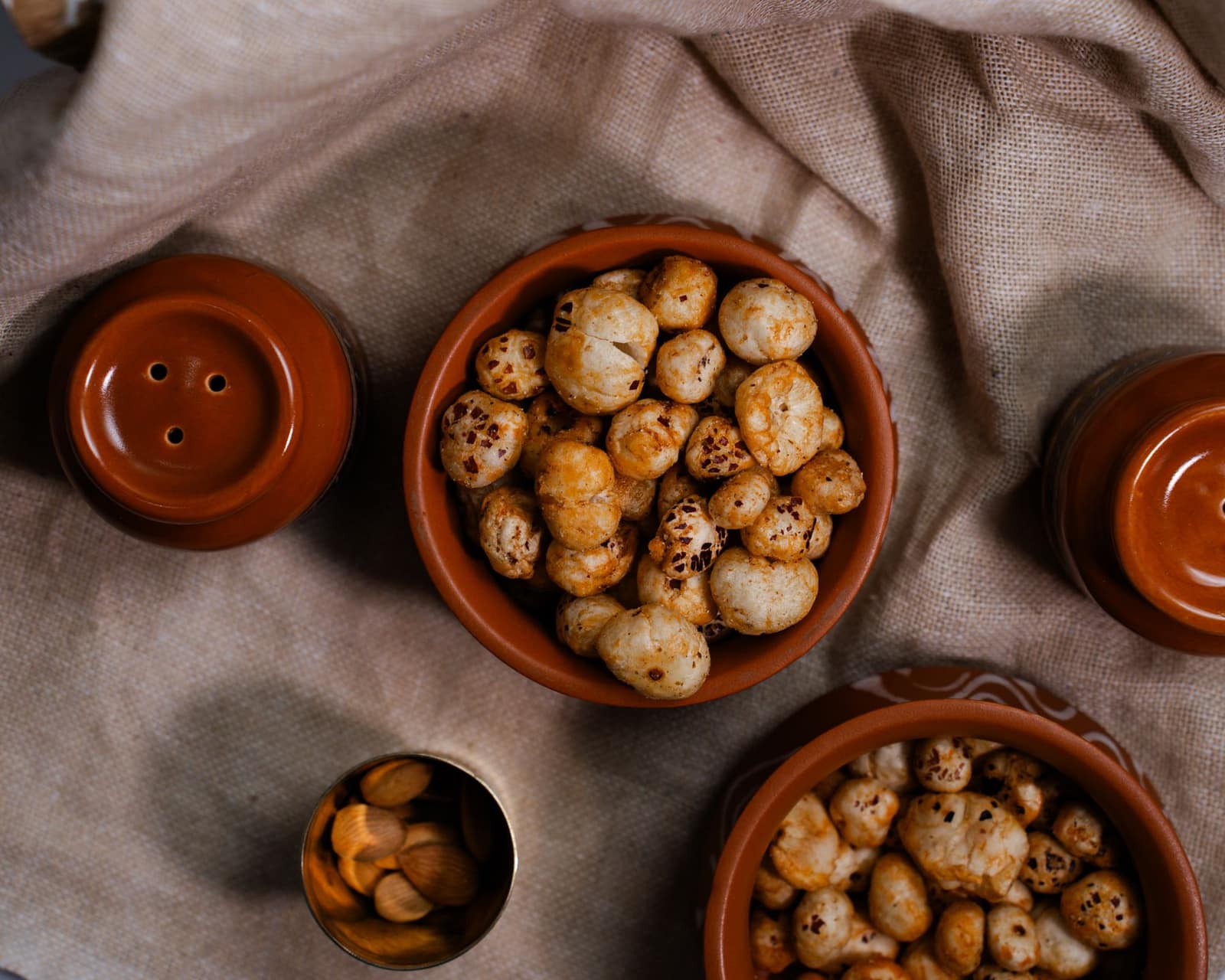
Popped and flavoured makhana from Bihar for health-snack shelves in the USA, UK and Middle East. Small volumes, strong packaging needs.
- HS code
- 2008.19 Since the Finance Act 2025, makhana has its own lines: 2008 19 21 popped makhana, 2008 19 22 makhana flour and powder, 2008 19 29 other makhana products.
- Export policy
- Free to export Free. Use the new 2008 19 2x lines on the shipping bill so your export is counted correctly.
- Registrations
- 4 IEC, GST and those below
- India’s exports, 2025-26
- US$ 21.8 mn to 53 countries
What is exported
Most of India’s makhana comes from the Mithila region of Bihar; Mithila Makhana got a GI tag on 16 August 2022. APEDA’s 2025 study says popped makhana is shipped directly to the USA, the UK and the Middle East, and that the GI tag helped exports to the USA, UK and Australia. Because dedicated HS codes are new, reliable export statistics are only now building up.
Varieties, grades and forms
- Sutta grades 4, 5, 6 and 7Popped makhana is graded by size: 4 sutta 12–15 mm, 5 sutta 15–18 mm, 6 sutta 18–21 mm, 7 sutta above 21 mm; bigger fetches more.
- Plain popped makhana (2008 19 21)Bulk lots for re-packers and snack makers.
- Roasted and flavoured makhanaRetail snack packs for health-food shelves.
- Makhana flour and powder (2008 19 22)Ingredient for baby food and gluten-free products.
Where it is grown or made
- Bihar — Darbhanga and MadhubaniTraditional pond cultivation; ICAR’s National Research Centre for Makhana is at Darbhanga.
- Bihar — Purnia and KatiharHighest production (field cultivation), about 5.2 and 4.9 thousand tonnes of popped makhana in 2021-22.
- Consolidation portsOften shipped with other farm goods from hubs in Maharashtra, Gujarat, Karnataka, Chennai and Kolkata.
The quality buyers ask for
- Size grade
- Popped makhana is graded by diameter; the trade uses “suta” sizes (larger suta numbers mean bigger, costlier pops)
- Grade standard
- AGMARK grade specification for makhana (DMI)
- Moisture
- Kept low so pops stay crisp; agree the limit with the buyer and use moisture-barrier packs
- Defects
- No unpopped or half-popped seeds, black husk pieces, stones or insect damage
- Food safety
- Microbial counts, aflatoxin and heavy metals within the destination’s limits; test each lot
Certificates
- FSSAI licenceRequiredCentral licence from FSSAI for the premises where the food is packed or stored for export. Apply on FoSCoS.
- APEDA RCMCRequiredRegistration with APEDA, issued as an RCMC on the DGFT portal. Since 15 Sep 2026, a consignment up to ₹3 lakh FOB can go without it.
- Phytosanitary certificate (if asked)Often askedSome importing countries treat raw popped makhana as plant produce and ask for a phytosanitary certificate — check with the buyer.
- HACCPOften askedA food-safety plan that identifies hazards at each processing step and controls them. Most importers ask for it from the processing unit.
- BRCGS Food SafetyOften askedGFSI-recognised standard asked for by UK and many EU supermarkets for private-label packing.
- Organic (NPOP / NOP / EU)Often askedNeeded only if you sell the product as organic: NPOP certification by an accredited body, plus the buyer market’s own organic rules.
Shipping, storage and shelf life
Very light and bulky: a 40-ft high-cube holds only a few tonnes. Pack in large poly-lined bags or cartons; retail packs go in cartons.
Sea freight from Kolkata or Nhava Sheva; air for samples and small retail orders.
Dry and sealed — makhana absorbs moisture and goes soft; keep away from pests.
Typically 6–12 months in moisture-barrier packs; less once opened.
What goes on the pack and carton
- EU retail packs (Regulation 1169/2011): name of the food, ingredients with allergens highlighted, net quantity, best-before date, storage conditions, the EU importer’s name and address, and origin where required — in the language of the country of sale.
- USA (21 CFR 101): product name, net quantity in both US and metric units, ingredients, allergens, name and place of business of the packer or distributor, Nutrition Facts unless exempt; and “Product of India” marking (19 CFR 134).
- Gulf countries: Arabic text (Arabic plus English is normal), production and expiry dates, net weight, country of origin and the importer’s details. Confirm the current rules with your importer.
- Use the GI name “Mithila Makhana” only for makhana from the registered area.
- Lot or batch number on every pack and bag — FSSAI’s Labelling and Display Regulations, 2020 require it, and every importing country uses it to trace and recall.
Use a laboratory on APEDA’s list of recognised laboratories (apeda.gov.in → Quality → Recognised Organisations). For any other test, search the NABL directory (nabl-india.org) for a lab accredited for that test, or use an FSSAI-notified lab. Ask the buyer which lab reports they accept before you send samples.
Benefits of exporting this product
- Mithila Makhana GI
Mithila Makhana got its GI tag on 16 August 2022. APEDA’s study says the tag has helped exporters from the Mithila region reach the USA, UK and Australia.
APEDA — Strategies to boost India’s makhana exports (study report) ↗ - RoDTEP: confirm the new lines
Makhana’s own tariff lines (2008 19 21, 22, 29) came in with the Finance Act 2025, after the Appendix 4R edition we could read. Check the rate for your line in the current schedule on dgft.gov.in before you count it in your price.
DGFT Notification 41/2026-27 (30 Sep 2026) — RoDTEP continued to 31 Dec 2026 at unchanged rates ↗ - APEDA support (Bharat Krishi Niryat Yojana)
APEDA’s financial assistance scheme for 2026-27 to 2030-31 helps registered exporters, FPOs and processors with packhouses, cold chain and treatment plants, lab testing and quality systems, and market development (trade fairs, trial shipments, brand registration, retail listing fees). Read the component conditions before you spend.
APEDA — Bharat Krishi Niryat Yojana 2026-27 to 2030-31, operational guidelines (6 Oct 2026) ↗
Where to register
- APEDARegistration-cum-Membership Certificate (RCMC) for APEDA-scheduled products. Apply on the DGFT portal after you have your IEC.dgft.gov.in ↗
- FSSAIFood business licence. FSSAI rules put food exporters under the Central licence; apply on FoSCoS and keep it valid for the premises you pack from.foscos.fssai.gov.in ↗
Quality and checks
- Moisture and air-tight packing — makhana absorbs moisture and loses crunch; APEDA’s study flags poor packaging as a cause of rejections.
- Size grading, foreign matter, microbiology and, for flavoured makhana, the buyer country’s rules on additives and labelling.
- Fumigation and pest-free storage; phytosanitary certificate if the buyer’s quarantine asks for it.
Buy graded popped makhana from a Darbhanga, Madhubani or Purnea processor, pack it in nitrogen-flushed pouches with an English label, and send a few hundred kilos by air or courier to Indian grocery importers in the UK or USA. Since 15 September 2026, a consignment worth up to ₹3 lakh FOB does not need an RCMC (DGFT Notification 36/2026-27). Registrations that a law requires for the product still apply.
Where new exporters go wrong
- Using loose plastic bags — the product goes soft and stale in transit.
- Making health claims on the pack that the buyer country does not allow.
Documents this product needs
Schemes that apply
Trade data
Indian makhana (fox nut) exports in numbers
From the Department of Commerce’s TradeStat, country by country. US$, Indian financial years (April–March).
- Exports in 2025-26
- US$ 21.8 mn
- Change from 2024-25
- — — → US$ 21.8 mn
- Buyer countries
- 53
- Average export price
- US$ 3.00 per kg · 7,265 tonnes shipped
Biggest buyer countries
By value in 2025-26. Change is against 2024-25.
Where demand is rising and falling
Only countries that buy at least US$ 1 million or 1% of India’s exports of this product. Change from 2024-25 to 2025-26.
↑ High demand
No sizeable country falls in this list this year.
↓ Low demand
No sizeable country falls in this list this year.
New buyers: Countries that bought nothing from India in 2024-25 and did in 2025-26.
- Sudan · US$ 4.3 mn
- Kenya · US$ 2.6 mn
- United Arab Emirates · US$ 2.3 mn
- United States of America · US$ 1.6 mn
- Uzbekistan · US$ 1.5 mn
- Togo · US$ 1.4 mn
Which forms sell, and at what price
India’s exports by 8-digit tariff line, 2025-26. Average price = total value ÷ total quantity (TradeStat): the average of every shipment on that line, not the price of any one deal.
| Tariff line | Value 2025-26 | Change | Quantity | Average price |
|---|---|---|---|---|
Others-of-other, includinguding mixtures:2008 19 29 · Nuts and other seeds, whether or not containing added sugar, other sweetening matter or spirit | US$ 17.7 mn | — | 6,342 tonnes | US$ 2.79 per kg |
Nuts and other seeds, whether or not containing added sugar, other sweetening matter or spirit — popped2008 19 21 | US$ 2.4 mn | — | 197 tonnes | US$ 12.04 per kg |
Nuts and other seeds, whether or not containing added sugar, other sweetening matter or spirit — flour and powder2008 19 22 | US$ 1.7 mn | — | 726 tonnes | US$ 2.37 per kg |
Makhana got its own tariff lines only in 2025, so only 2025-26 figures exist. TradeStat’s 2023-24 quantities are double-counted, so that year is left out of the price. Sources: TradeStat — Export Import Data Bank, Department of Commerce · Figures taken 29 October 2026.
Step by step
How to export makhana (fox nut)
Makhana (fox nut, popped Euryale ferox seed) is almost entirely an Indian product, grown mainly in the ponds of north Bihar; “Mithila Makhana” is a GI. There is no major rival origin, so the challenge is building demand, not beating competitors. Health-snack brands in the USA, UK, the Gulf, Canada and Australia are driving interest as a light, gluten-free snack. The openings are roasted and flavoured makhana in retail packs, makhana flour, and graded raw makhana for snack makers abroad.
- 01Pick raw or value-added
Decide whether you sell graded raw makhana to snack makers or finished flavoured packs to retailers — the buyers and paperwork differ.
- 02Source graded lots
Buy from processors or FPOs in Darbhanga, Madhubani, Purnia and nearby districts; insist on size-graded, clean lots.
- 03Clean, roast and pack
Re-grade, remove defects, roast or flavour in an FSSAI-licensed unit, and pack in moisture-barrier material.
- 04Test and label
Test microbes, aflatoxin and heavy metals; prepare labels to the importing country’s rules.
- 05Register with the buyer’s food authority
For the USA, the facility needs FDA food-facility registration; Gulf countries may need product registration.
- 06Ship with the right HS line
Use the new makhana lines (2008 19 2x) on the shipping bill so the export is recorded and benefits are claimed correctly.
- 07Get paid and close the file
Send the original documents through your bank (or to the buyer if paid in advance). Once the money arrives, get the e-BRC and claim RoDTEP and drawback where they apply.
Meet buyers
Trade fairs
- Usually late January or FebruaryGulfoodDubaigulfood.com ↗
- Late January or early FebruaryISM (sweets and snacks)Cologneism-cologne.com ↗
- MarchNatural Products Expo WestAnaheimexpowest.com ↗
- October, in odd-numbered years (next: 2027)AnugaCologneanuga.com ↗
- Usually SeptemberWorld Food IndiaNew Delhiworldfoodindia.gov.in ↗
Questions
Questions about exporting makhana (fox nut)
Which export council covers makhana?
Why does makhana go soft in transit?
Which size sells best?
Do I need FDA registration for the USA?
Can I market it as a superfood?
Sources (5)
- APEDA — Strategies to boost India’s makhana exports (study report, 2025)
- Directorate of Marketing & Inspection — AGMARK grade standards (commodity-wise rules)
- US eCFR — 21 CFR Part 101, food labelling
- EU — Regulation (EU) No 1169/2011 on food information to consumers
- APEDA — Recognised organisations (list of recognised laboratories, FSMS bodies)
Who buys Indian makhana (fox nut)
All countries → USDWashington, D.C.United States of AmericaIndia's largest single-country export market. Strict FDA rules for food; extra 10% US duty on most goods since July 2026.From India 2025-26US$ 87.3 bn
 CETAGBPLondonUnited KingdomNew CETA in force since July 2026 — most Indian goods now enter duty-free. Strong market for garments, food and engineering.From India 2025-26US$ 13.4 bn
 ECTAAUDCanberraAustraliaZero duty on all Indian goods since Jan 2026 — but some of the world's strictest biosecurity rules.From India 2025-26US$ 7.28 bn
More in processed food
All products →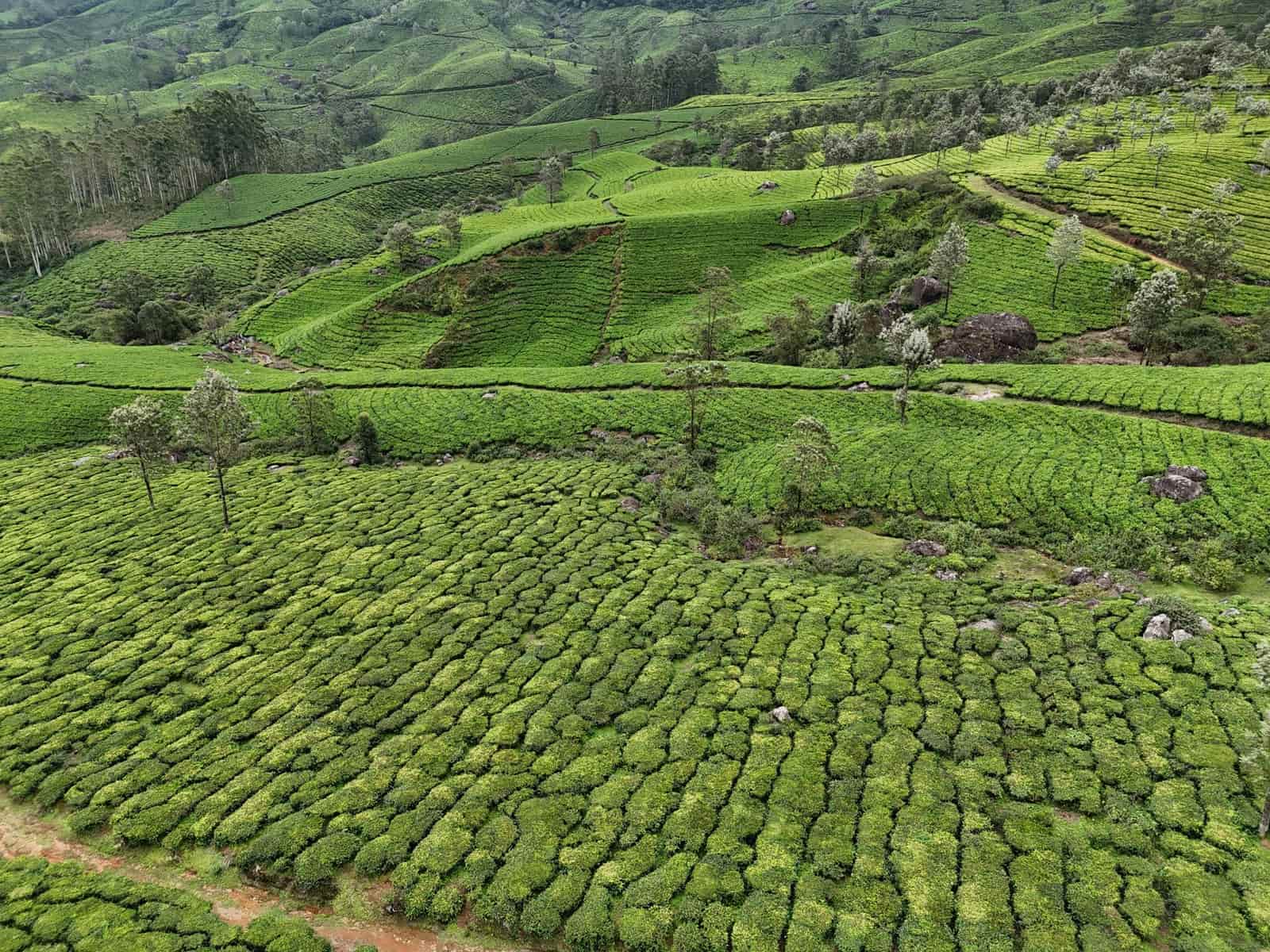 Free to exportProcessed foodTeaAssam, Darjeeling, Nilgiri and CTC tea. You need a Tea Board exporter licence; residues and GI rules matter.HS0902Exports 2025-26US$ 899 mn ↑8%
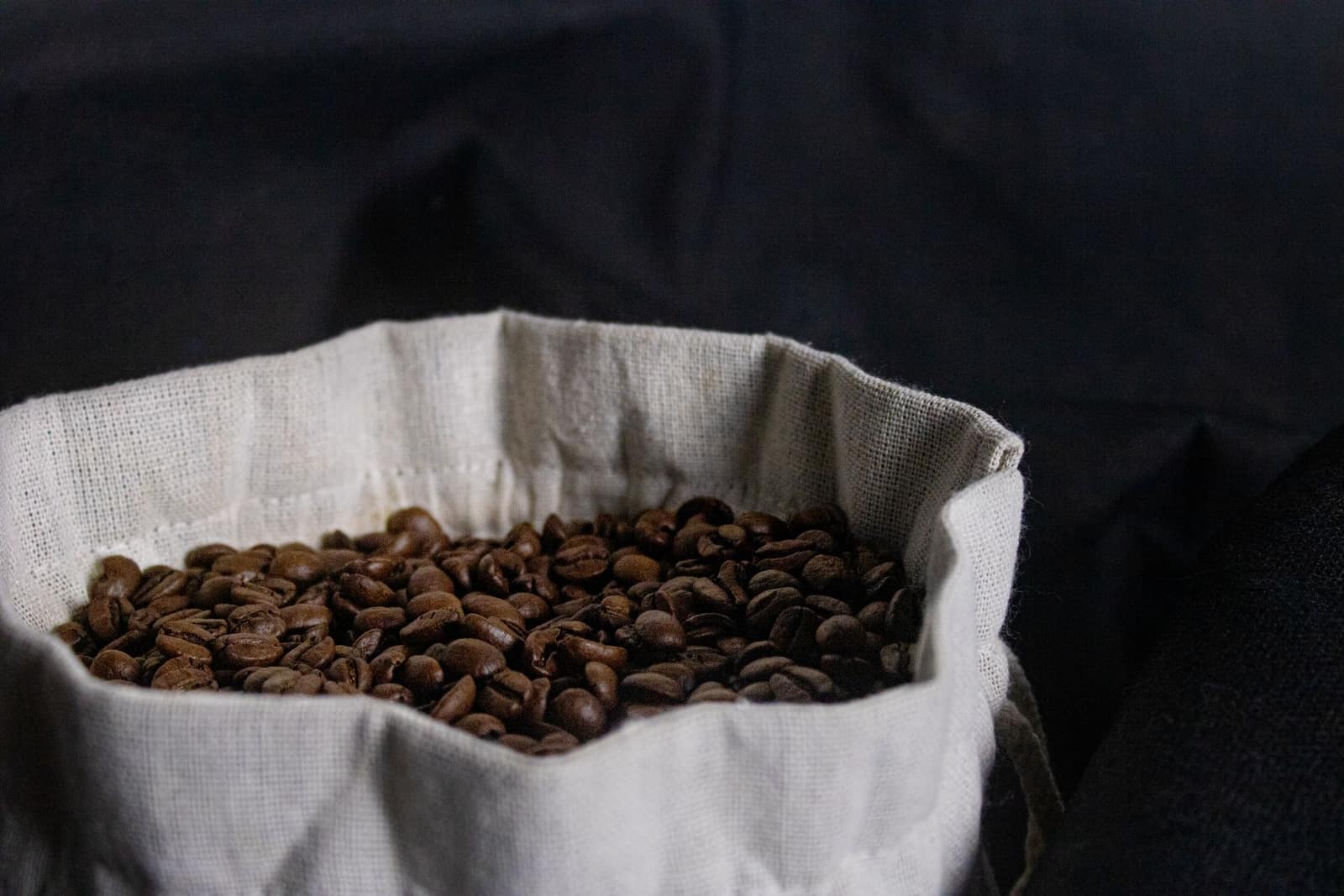 Free to exportProcessed foodCoffeeArabica and Robusta green beans, monsooned and instant coffee. Coffee Board registration and an export permit for every shipment.HS0901.11Exports 2025-26US$ 1.41 bn ↑13%
 Free, with conditionsProcessed foodNatural honeyMustard, multiflora and other honeys, mostly to the USA. A minimum export price of US$ 1,400/tonne applies till 31 Dec 2026.HS0409.00Exports 2025-26US$ 208 mn ↑0.7%
 Free to exportProcessed foodJaggery (gur)Cane jaggery blocks and powder, mainly to Africa and Indonesia. Keep it separate from sugar, whose export is controlled.HS1701.13Exports 2025-26US$ 24.4 mn ↓55.9%