

Pharma & chemicals
Export ayurvedic and herbal products
Ayurvedic medicines, supplements and herbal cosmetics; register with AYUSHEXCIL and the buyer's regulator.
- HS code
- 3004.90 Medicaments of the Ayurvedic, Unani, Siddha and Homoeopathic systems (Indian tariff lines under 3004.90, for example 3004 90 11 for Ayurvedic). Herbal cosmetics sit in Chapter 33 and raw herbs in Chapter 12.
- Export policy
- Free, with conditions Finished AYUSH medicines are free to export from a licensed unit. Raw herbs and plant parts carry conditions: some wild and CITES-listed plants cannot be exported in raw form. Check Chapter 12 and 13 conditions in Schedule 2.
- Registrations
- 5 IEC, GST and those below
- India’s exports, 2025-26
- US$ 176 mn to 153 countries
What is exported
India exports classical Ayurvedic medicines, herbal supplements, oils and herbal cosmetics. Many markets do not recognise Ayurveda as medicine, so products are often sold as food supplements or cosmetics under local rules. In 2025-26 exports of Ayurvedic medicaments (tariff line 3004 90 11) were about US$ 176 million; the USA and UAE were the top buyers, followed by Nepal, Russia, France and South Africa.

Varieties, grades and forms
- Classical Ayurvedic medicinesChurnas, arishtas, tablets and oils made to classical texts; many countries treat them as herbal medicines or supplements.
- Herbal supplements and capsulesAshwagandha, turmeric, tulsi and triphala capsules sold as food supplements abroad.
- Herbal extracts and powders (B2B)Standardised extracts for supplement makers; HS 1302 lines got their own RoDTEP rates from 1 May 2026.
- Herbal cosmetics and personal careHair oils, soaps and skin care — regulated as cosmetics in the buyer country.
Where it is grown or made
- UttarakhandHaridwar — large Ayurveda and herbal plants
- KeralaMalappuram (Kottakkal), Thrissur and Kochi
- GujaratAhmedabad and Jamnagar
- MaharashtraNagpur and Mumbai
- KarnatakaBengaluru — herbal extract makers
The quality buyers ask for
- Identity and standards
- Plant identity and quality to the Ayurvedic Pharmacopoeia of India (API) or the buyer's pharmacopoeia (USP, Ph. Eur.)
- Marker content
- Standardised extracts declare marker compounds (for example withanolides in ashwagandha, curcuminoids in turmeric) tested by HPLC
- Heavy metals
- Lead, arsenic, cadmium and mercury within the importing country's limits; the Ministry of Ayush requires heavy-metal testing of export products
- Microbial and pesticide limits
- Total plate count, yeast and mould, pathogens absent; pesticide residues within EU/US limits
- Other contaminants
- Aflatoxins, PAHs and ethylene oxide (EU checks these closely on botanicals)
- GMP
- Manufacture under Schedule T (GMP for Ayurvedic, Siddha and Unani medicines) of the Drugs Rules; US cGMP for dietary supplements (21 CFR Part 111) for US buyers
Certificates
- Ayush manufacturing licenceRequiredLicence from the State Ayush Licensing Authority for each product made; required by law.
- WHO-GMP / COPP for herbal productsOften askedIssued for Ayush products under the Ministry of Ayush scheme; many importing regulators ask for it.
- AYUSH Premium MarkOften askedVoluntary third-party quality mark for Ayush products.
- Organic (NPOP / NOP / EU organic)Often askedFor herbs and extracts sold as organic; separate rules per market.
- US FDA food facility registrationOften askedFacilities making supplements for the US must register with FDA and follow 21 CFR Part 111.
- Halal / KosherOften askedAsked for by buyers in the Gulf, South-East Asia and parts of the US market.
Shipping, storage and shelf life
Extracts and powders in fibre drums or bags with liners, typically 25 kg; finished products in shipper cartons. LCL or 20-ft containers; small high-value lots by air.
Sea for bulk; air for samples and small orders.
Cool, dry, away from light; powders absorb moisture and lose potency.
As set under Rule 161B of the Drugs Rules for Ayurvedic, Siddha and Unani medicines, or as proven by stability data for supplements; check the rule for each dosage form.
What goes on the pack and carton
- Product category must match the market: a 'food supplement' in the EU or 'dietary supplement' in the USA cannot claim to treat or cure disease.
- USA: Supplement Facts panel, the FDA disclaimer for structure-function claims, net quantity and manufacturer or distributor details.
- Ingredients with botanical names and plant parts, batch number, dates, and storage advice.
- Indian export labels must also follow the Drugs Rules for Ayush products unless the importing country's label replaces them as permitted.
The Pharmacopoeia Commission for Indian Medicine & Homoeopathy (PCIM&H), Ghaziabad, sets Ayush standards. The Ministry of Ayush publishes a list of approved drug testing laboratories; NABL-accredited labs (search 'herbal' or 'pharmaceutical' in the NABL directory) test heavy metals, pesticides and microbes. AYUSHEXCIL can guide members.
Benefits of exporting this product
- RoDTEP: 0.7% of FOB
Tariff item 3004 90 11 (medicaments of the Ayurvedic system) earns 0.7% of FOB value, with no rupee cap, as a duty credit scrip on ICEGATE. Unani, Siddha and Homoeopathic medicines (3004 90 12–14) also get 0.7%. Plant extracts such as Withania somnifera (ashwagandha, 1302 19 21) get 1.0% from 1 May 2026 (DGFT Notification 15/2026-27). These rates continue to 31 Dec 2026 (DGFT Notification 41/2026-27). Confirm your exact 8-digit line on the DGFT RoDTEP page before you price an order.
DGFT — Appendix 4R, RoDTEP schedule for DTA exports w.e.f. 10.10.2024 (Notification 32/2024-25); rates continued to 31.12.2026 by Notification 41/2026-27 ↗ - Duty drawback: 1.2% of FOB
Drawback item 3004 (medicaments in measured doses or retail packs) has an All Industry Rate of 1.2% of FOB, paid into your bank account. It is not available on exports under Advance Authorisation or from EOU/SEZ units. Check the current schedule on the CBIC drawback page before shipping.
Gazette of India — Notification 77/2023-Customs (N.T.) dated 20.10.2023: All Industry Rates of duty drawback, in force from 30.10.2023 ↗ - New RoDTEP lines for herbal extracts
From 1 May 2026 the tariff split HS 1302 19 into separate lines for extracts of ashwagandha, brahmi, amla, tulsi, turmeric, ginger and others. Each got a RoDTEP rate of 1.0% of FOB. Use the new 8-digit code on the shipping bill or the claim may fail.
DGFT Notification 15/2026-27 (30.04.2026) — changes to Appendix 4R/4RE tariff lines w.e.f. 01.05.2026 (copy circulated by PLEXCONCIL) ↗
Where to register
- AYUSHEXCIL (Ayush Export Promotion Council)Added to DGFT Appendix 2T by Public Notice 23/2023 (31 July 2023) to issue RCMC for Ayurvedic, Unani, Siddha, Homoeopathic medicines and listed herbal cosmetics.ayushexcil.in ↗
- State AYUSH Licensing Authority / Ministry of AyushManufacturing licence for AYUSH drugs; GMP compliance and, for many buyers, a WHO-GMP or COPP certificate for the product.ayush.gov.in ↗
- SHEFEXIL (for raw herbs and extracts)Herbs, vegetable saps and extracts and minor forest produce are under the Shellac & Forest Products EPC.shefexil.org ↗
Quality and checks
- Heavy-metal tests (lead, mercury, arsenic, cadmium) and microbial limits on every batch — the most common reason for rejection abroad.
- USA: most products enter as dietary supplements under FDA rules (facility registration, labelling, no disease claims).
- EU: traditional herbal medicine registration, or food-supplement or cosmetic rules, depending on how the product is sold.
Start with a few well-known products from a GMP-certified AYUSH manufacturer and get heavy-metal and microbial tests from an accredited lab. Join AYUSHEXCIL, choose one market, and sell under that market's food-supplement or cosmetic route with compliant labels, starting with the Indian diaspora shops and online sellers.
Where new exporters go wrong
- Products with heavy metals (especially traditional mineral-based preparations) being refused or recalled.
- Making disease-cure claims on labels or websites — banned in the USA and EU for supplements.
- Exporting a restricted raw herb without checking the plant list in Schedule 2.
Documents this product needs
Schemes that apply
Sources (6)
- Department of Commerce, Export Import Data Bank — India's exports of HS 3004 90 11 by country, 2025-26
- DGFT — Appendix 2T: Export Promotion Councils and the products under each
- DGFT — ITC(HS) export policy search (Schedule 2)
- AYUSHEXCIL — official site
- Ministry of Ayush
- DGFT Public Notice 23/2023 (31 July 2023) adding AYUSHEXCIL to Appendix 2T — e-Gazette
Trade data
Indian ayurvedic and herbal products exports in numbers
From the Department of Commerce’s TradeStat, country by country. US$, Indian financial years (April–March).
- Exports in 2025-26
- US$ 176 mn +3.9% a year on average, 2020-21 to 2025-26
- Change from 2024-25
- ↑ +7.1% US$ 165 mn → US$ 176 mn
- Buyer countries
- 153
- Average export price
- US$ 7.73 per kg · 22,806 tonnes shipped · US$ 7.42 the year before
The price cycle
India’s average export price per kg each year (total value ÷ total quantity). Highest in 2020-21, lowest in 2022-23 — a 84% swing between them. Keep this swing in mind when you quote.
What next: a projection from the trend
The past trend carried forward — not a forecast by any authority. Sudden changes in policy, prices or demand are not in it.
Likely range US$ 163 mn to US$ 203 mn.
- Trend
- +2% a year
- Fit (R²)
- 0.26 — weak, read with care
- Based on
- 6 years of official figures
Method: a straight line through the logarithm of yearly exports (log-linear regression); range = ±1 standard error.
Biggest buyer countries
By value in 2025-26. Change is against 2024-25.
Where demand is rising and falling
Only countries that buy at least US$ 1 million or 1% of India’s exports of this product. Change from 2024-25 to 2025-26.
↑ High demand
- NigeriaUS$ 2.8 mn → US$ 5.4 mn↑+95.7%
- United KingdomUS$ 2.5 mn → US$ 3.8 mn↑+53.5%
- TanzaniaUS$ 1.6 mn → US$ 2.3 mn↑+41.6%
- RussiaUS$ 7.7 mn → US$ 10.2 mn↑+32.3%
- South AfricaUS$ 6.7 mn → US$ 8.7 mn↑+30.4%
- PhilippinesUS$ 1.5 mn → US$ 1.8 mn↑+24.3%
- MalaysiaUS$ 1.5 mn → US$ 1.8 mn↑+19.9%
- FranceUS$ 7.6 mn → US$ 9 mn↑+18.8%
↓ Low demand
Which forms sell, and at what price
India’s exports by 8-digit tariff line, 2025-26. Average price = total value ÷ total quantity (TradeStat): the average of every shipment on that line, not the price of any one deal.
| Tariff line | Value 2025-26 | Change | Quantity | Average price |
|---|---|---|---|---|
Medicaments of ayurvedic system3004 90 11 · Medicaments, consisting of mixed or unmixed products in heading no. 3004, for therapeutic or prophylactic… | US$ 176 mn | ↑+7.1% | 22,806 tonnes | US$ 7.73 per kgwas US$ 7.42 |
Indian line 30049011 (Ayurvedic medicaments); there is no international code for it. TradeStat’s 2023-24 quantities are double-counted, so that year is left out of the price. Sources: TradeStat — Export Import Data Bank, Department of Commerce · Figures taken 29 October 2026.
Step by step
How to export ayurvedic and herbal products
India is the home of Ayurveda and a leading supplier of herbal medicines, extracts and supplements, alongside China (traditional Chinese medicine and botanical extracts), Germany and the USA, which make many finished herbal products. Demand comes from the global wellness and supplement market, from Indian communities abroad, and from countries that recognise traditional medicine. Strict rules in the EU and USA limit what can be sold as a medicine, so most exports enter as food supplements, cosmetics or raw botanicals. Openings are in standardised extracts (ashwagandha, turmeric, tulsi), branded supplements made under GMP, and Ayurveda products for countries where Ayush systems are recognised.
- 01Decide the regulatory route
For each market, decide whether the product enters as a traditional medicine, supplement, cosmetic or raw botanical.
- 02Source traceable raw herbs
Buy authenticated herbs with origin records; avoid restricted species.
- 03Make under GMP
Produce under Schedule T (and US cGMP if selling supplements in the USA).
- 04Test every batch
Test identity, markers, heavy metals, microbes, pesticides and contaminants.
- 05Register where required
Notify or register the product in the importing country (for example traditional herbal registration in the EU, or notification as a food supplement).
- 06Label and ship
Use market-specific labels, file the shipping bill and claim RoDTEP where allowed.
- 07Payment
Advance or LC with new buyers.
Meet buyers
Trade fairs
- May (next: 18–20 May 2027)Vitafoods EuropeBarcelona, Spainvitafoods.eu.com ↗
- February (next: 16–19 February 2027)BIOFACH (organic products)Nuremberg, Germanybiofach.de ↗
- March (next: 2–5 March 2027)Natural Products Expo WestAnaheim, USAexpowest.com ↗
- Usually late January to February — check datesWHX Dubai (formerly Arab Health)Dubai, UAEwhx.com ↗
Questions
Questions about exporting ayurvedic and herbal products
Can I sell an Ayurvedic medicine as a medicine in Europe?
Are products with bhasma allowed abroad?
Why was my ashwagandha rejected in the EU?
Which council covers Ayush products?
Do I need FDA approval for supplements?
Who buys Indian ayurvedic and herbal products
All countries → USDWashington, D.C.United States of AmericaIndia's largest single-country export market. Strict FDA rules for food; extra 10% US duty on most goods since July 2026.From India 2025-26US$ 87.3 bn
 CEPAAEDAbu DhabiUnited Arab EmiratesIndia's biggest Gulf buyer and a re-export hub for the Middle East and Africa. CEPA in force since 2022.From India 2025-26US$ 37.4 bn
 SAFTANPRKathmanduNepalOpen land border, rupee payments and a market that relies on Indian goods — an easy first market by road.From India 2025-26US$ 7.45 bn
 RUBMoscowRussiaGrowing buyer of Indian food, medicines and machinery. Payments need care because of sanctions; EAC certification applies.From India 2025-26US$ 4.49 bn
 EURParisFranceFashion, food and design market. EU rules plus French-language labels; SIAL Paris is a key food fair.From India 2025-26US$ 7.1 bn
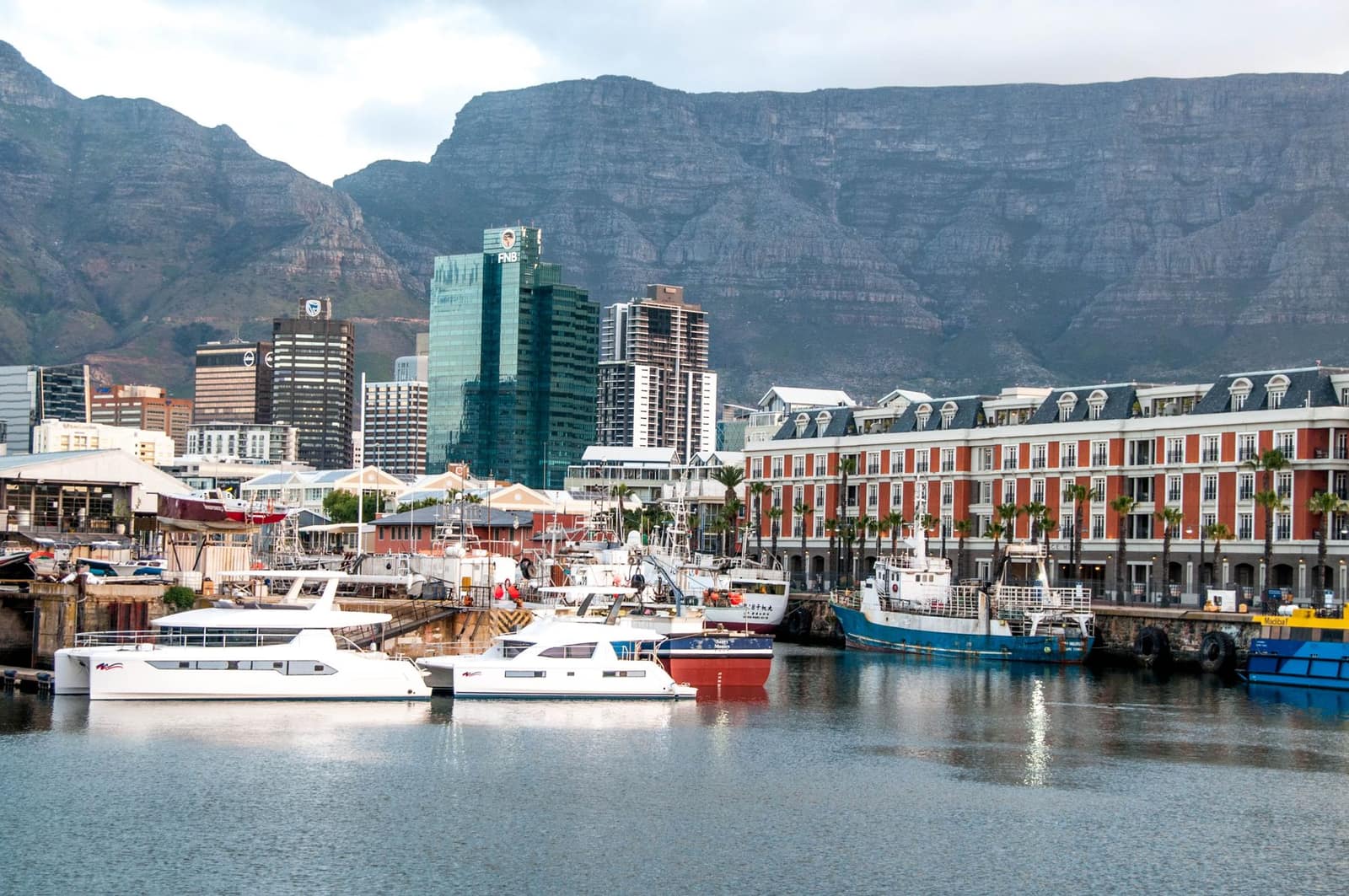 ZARPretoria (executive capital)South AfricaAfrica's most industrial economy. Buys vehicles, medicines, rice and chemicals; NRCS approval for regulated goods.From India 2025-26US$ 7.01 bn
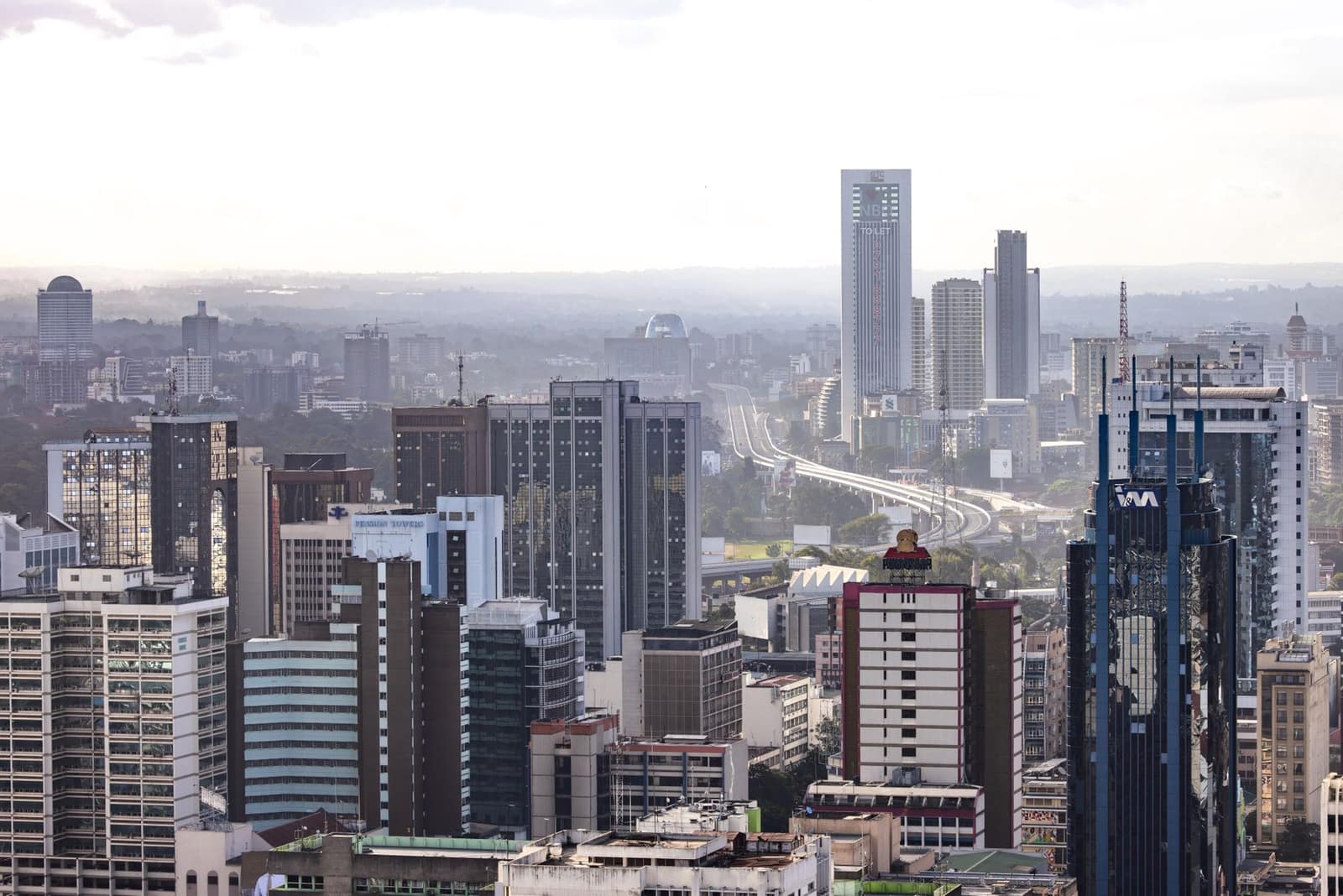 KESNairobiKenyaEast Africa's trade gateway via Mombasa. Buys medicines, vehicles, steel and rice; KEBS pre-shipment checks apply.From India 2025-26US$ 4.02 bn
 CECASGDSingaporeSingaporeDuty-free trading hub for South-East Asia. Strict food licensing by SFA; big Indian community.From India 2025-26US$ 11.9 bn
More in pharma & chemicals
All products → Free to exportPharma & chemicalsGeneric medicines (formulations)Tablets, capsules and injectables; every market needs product registration. The USA buys the most.HS3004Exports 2025-26US$ 21.9 bn ↓0.7%
 Free, with conditionsPharma & chemicalsEssential oilsMint, lemongrass, vetiver and other oils for flavour, fragrance and aromatherapy buyers; the USA leads.HS3301Exports 2025-26US$ 899 mn ↓3.3%
 Free to exportPharma & chemicalsSpice oils and oleoresinsConcentrated flavour and colour extracts for food, nutraceutical and pharma makers. India is the world leader; the USA is the biggest buyer.HS3301.90Exports 2025-26US$ 543 mn ↓1.4%
 Free to exportPharma & chemicalsCastor oilIndia supplies most of the world’s castor oil. China is the biggest buyer; Europe, the USA and Japan follow.HS1515.30Exports 2025-26US$ 1.06 bn ↓0.2%